And the bottle becomes… a bottle again
Texte Luc Ophals | Photos Luc Ophals & Veolia/Sources ALMA
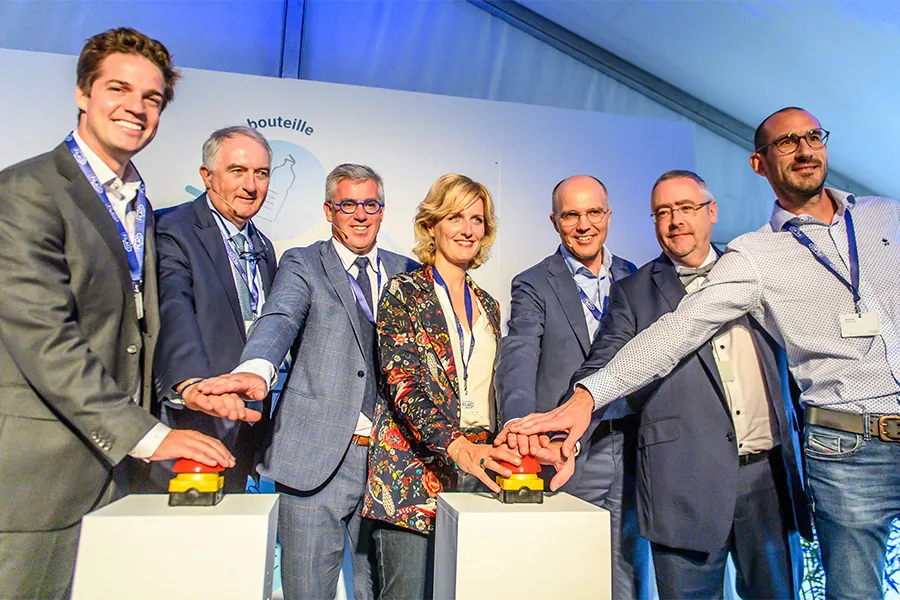
Inauguration of Belgium’s first integrated PET bottle recycling plant
Sources Alma and Veolia inaugurate the FILAO recycling plant, the missing link in Belgium’s PET recycling chain, in the presence of ministers Willy Borsus and Céline Tellier, as well as Secretary of State Thomas Dermine. Completed in just fourteen months, this major project is an excellent example of a local circular economy, through the ‘bottle to bottle’ recycling of some 40 000 tonnes of PET bottles a year. It also marks the start of a new dynamic in the optimal recovery of household packaging streams.
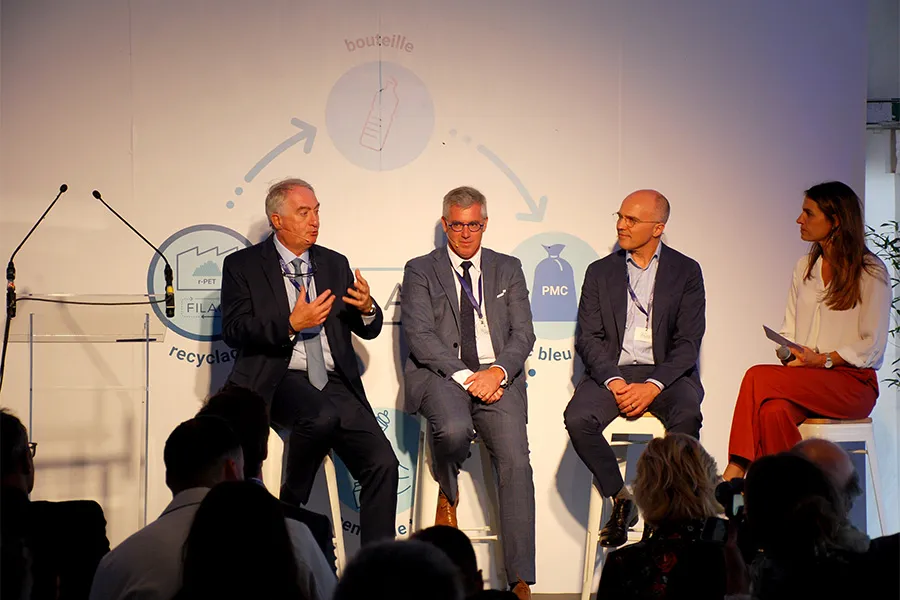
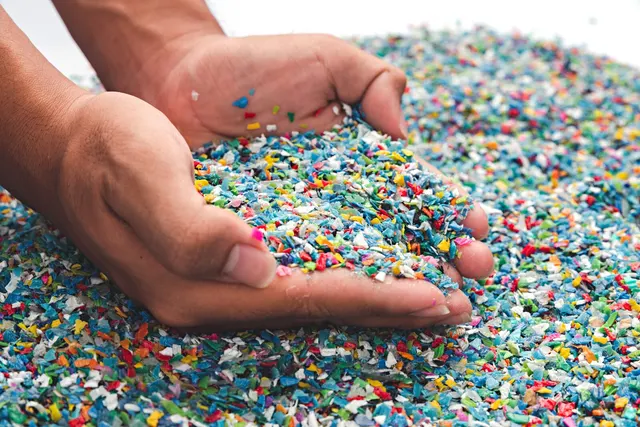
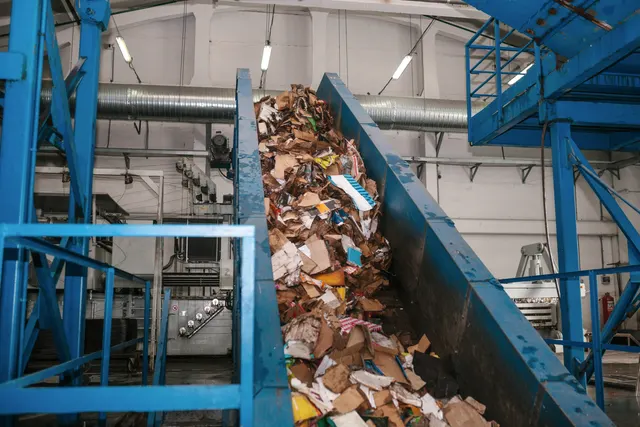
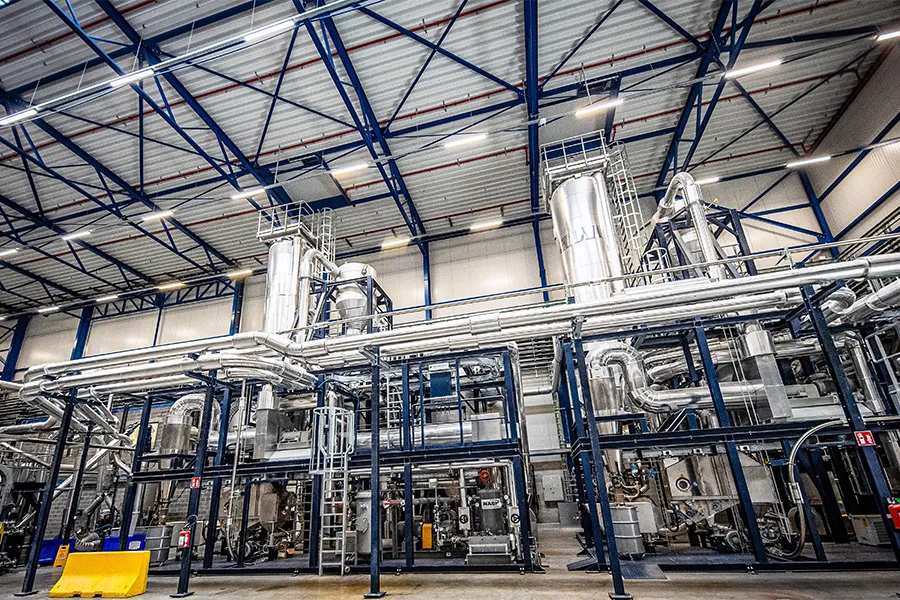
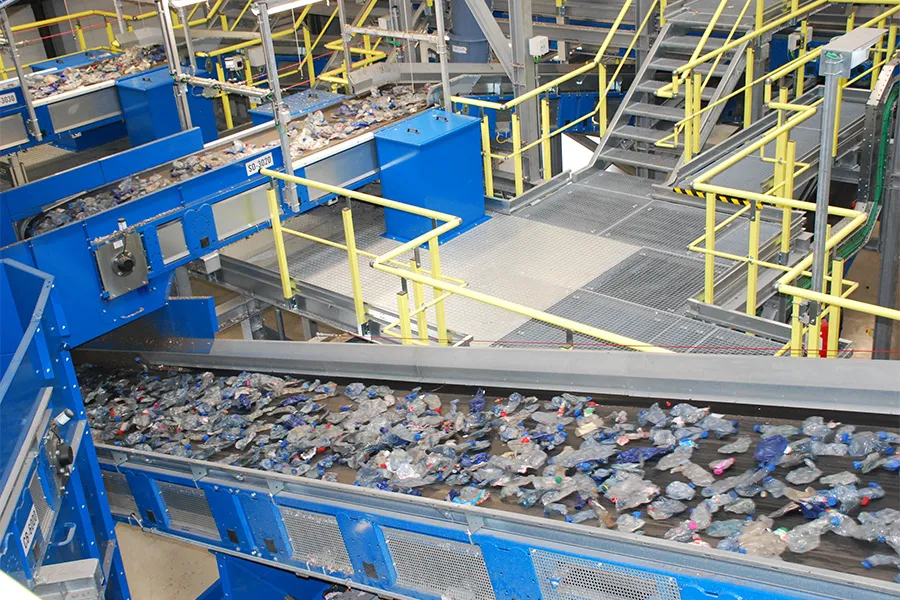
In 2019, Fost Plus, the organisation responsible for managing household packaging recycling in Belgium, launched an international tender. Sources ALMA, one of Europe’s leading producers of spring and natural mineral water, and Veolia, the world leader in environmental services, won the tender and signed a nine-year contract covering the recycling of some 33 500 tonnes of clear and blue PET bottles a year. Through Fost Plus, the bottles come from five sorting centres in Belgium: Val’Up (Mons), Valtris (Charleroi), Sitel (Engis), Indaver (Willebroek) and Prezero (Evergem). Following a five-step recovery process (sorting, grinding, washing, flake sorting and extrusion with specific treatment to ensure the quality of the recycled material), the PET bottles are turned into recycled PET pellets (r-PET), which Sources ALMA will then use to make new bottles for distribution on the Belgian market.
An exemplary project in every respect
The FILAO plant in Couillet, which currently employs 42 people, required an investment of 45 million euros and received a loan from Wallonie Entreprendre. Having attended the laying of the foundation stone in January 2022, Minister Willy Borsus highlighted the project’s importance as a major contribution to the development of a circular economy. Minister Céline Tellier stressed the key objective of reducing single-use waste, of which only a meagre 10 per cent is currently recovered worldwide, and the inspiring momentum generated by a project such as FILAO. Thomas Dermine, for his part, emphasised the new project’s significant contribution to the necessary and vital reindustrialisation of the Charleroi region, an important step towards a low-carbon economy.
Luc Baeyens, CEO of Sources ALMA, explains the group’s involvement: “As a major player in the bottled water market, we are proud to be able, thanks to our partnership with Veolia, to offer quality recycled bottles that meet our high standards for environmental impact and go beyond European targets. FILAO will increase the capacity of our two French recycling plants, enabling us to recycle the equivalent of the tonnages we put on the French and Belgian markets.” It is worth noting that every tonne of r-PET produced at the FILAO plant ultimately represents a reduction of three tonnes of CO2 emissions compared with producing one tonne of virgin plastic.
Philippe Tychon explains: “FILAO reflects Veolia’s ambition to be a key local partner in the ecological transformation. We offer a comprehensive approach to the recycling loop, covering collection, sorting and recycling. The technologies used also help minimise the environmental footprint. For example, 12 000 m2 of solar panels have been installed to supply 20% of the plant’s electricity needs, and process water is used as efficiently as possible. The plant’s location, close to incoming material streams, favours short local supply chains and eliminates costly long-distance transport. The project is also designed for the long term: the contract has an initial term of nine years, laying the foundations for a long-term commitment that will help establish profitable recycling streams.”
Question about this story? Ask your question
Keep following this
Get an email when a new story is published. No account needed.
- ThemeOvercoming the plastics crisis
- SubjectWaste streams