












The leading women of Belgium’s recycling industry
In July, Recycling International published its annual top 100, a list of the leading names in the global recycling industry. It includes a number of Belgians, seven to be precise. That puts us level with the Netherlands. In this article, we introduce the leading women in Belgian recycling.
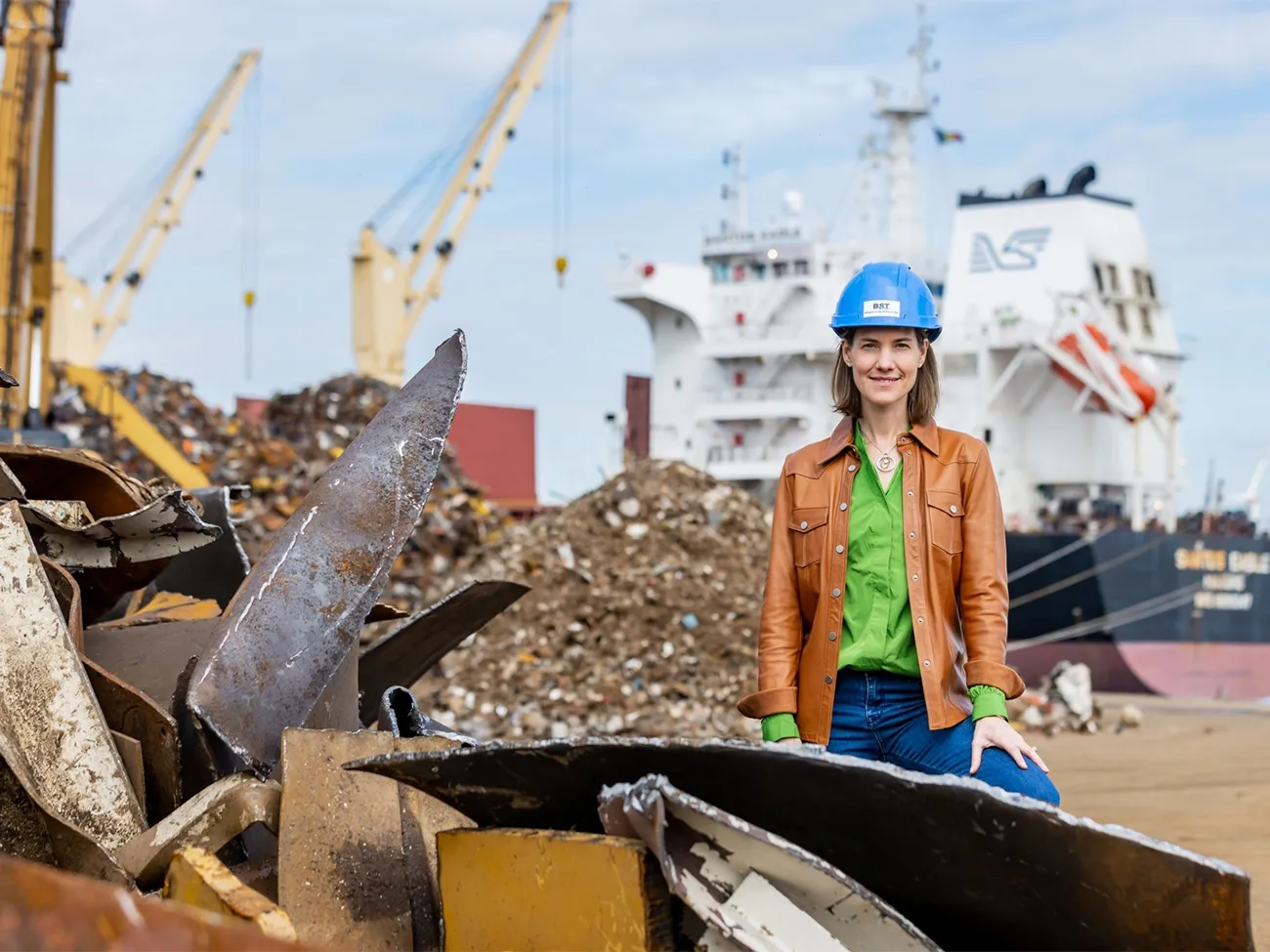
16th place: Caroline Craenhals
Caroline Craenhals has been the fourth generation to lead family business Belgian Scrap Terminal (BST) since 2019. The company, which has seven sites in Belgium and France, processes around one and a half million tonnes of ferrous and non-ferrous scrap each year. “I hope it’s my passion for the profession that has brought me this high up the list,” she begins. “But of course, I haven’t done it alone! I’m lucky to be surrounded by a team of passionate specialists. This recognition is theirs too.” In her view, several factors explain how Belgium, as a small country, can achieve such good results. “Our central location clearly helps. But we also have no heavy industry, so we have always recognised the value of waste. In the years ahead, we must continue to strive to do more and do better, while keeping an eye on day-to-day practice. After all, raw materials are commodities on a global market. After everything we have already built, it would be a shame to undermine our competitiveness through overly strict regulations. The economy and ecology can go hand in hand.” Above all, though, she continues to believe firmly in all the great things this sector has to offer. “What drives me? The fact that we turn every ending into a new beginning. BST celebrated its 100th anniversary in September. Recycling is nothing new, even if it is very much in vogue today. It has always been a way to give back to nature and society. In recycling, ‘no’ is never the final answer. We keep looking for alternatives. It’s this complexity, innovation and diversity that make my work so fascinating.”
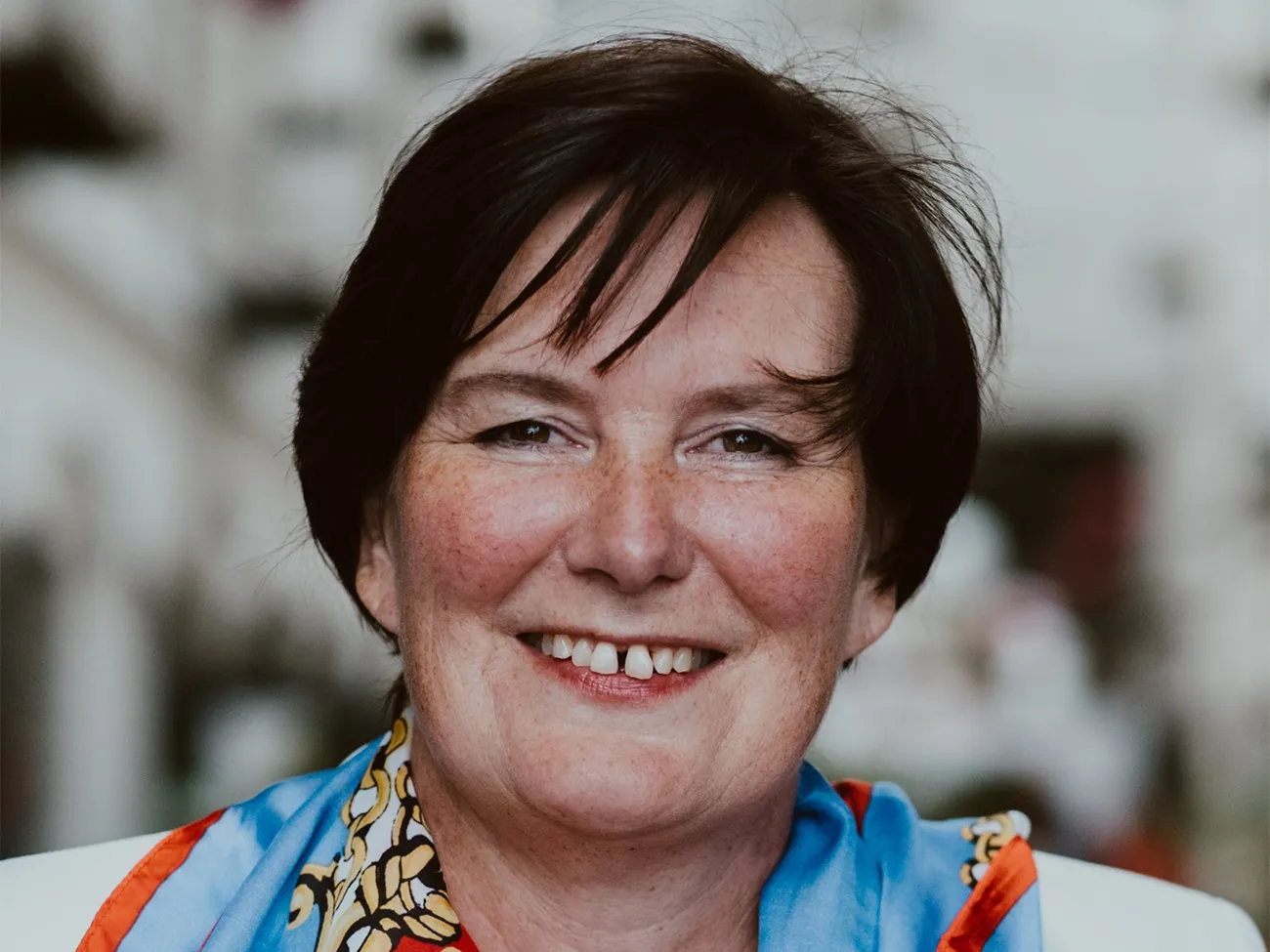
23rd place: Catherine Lenaerts
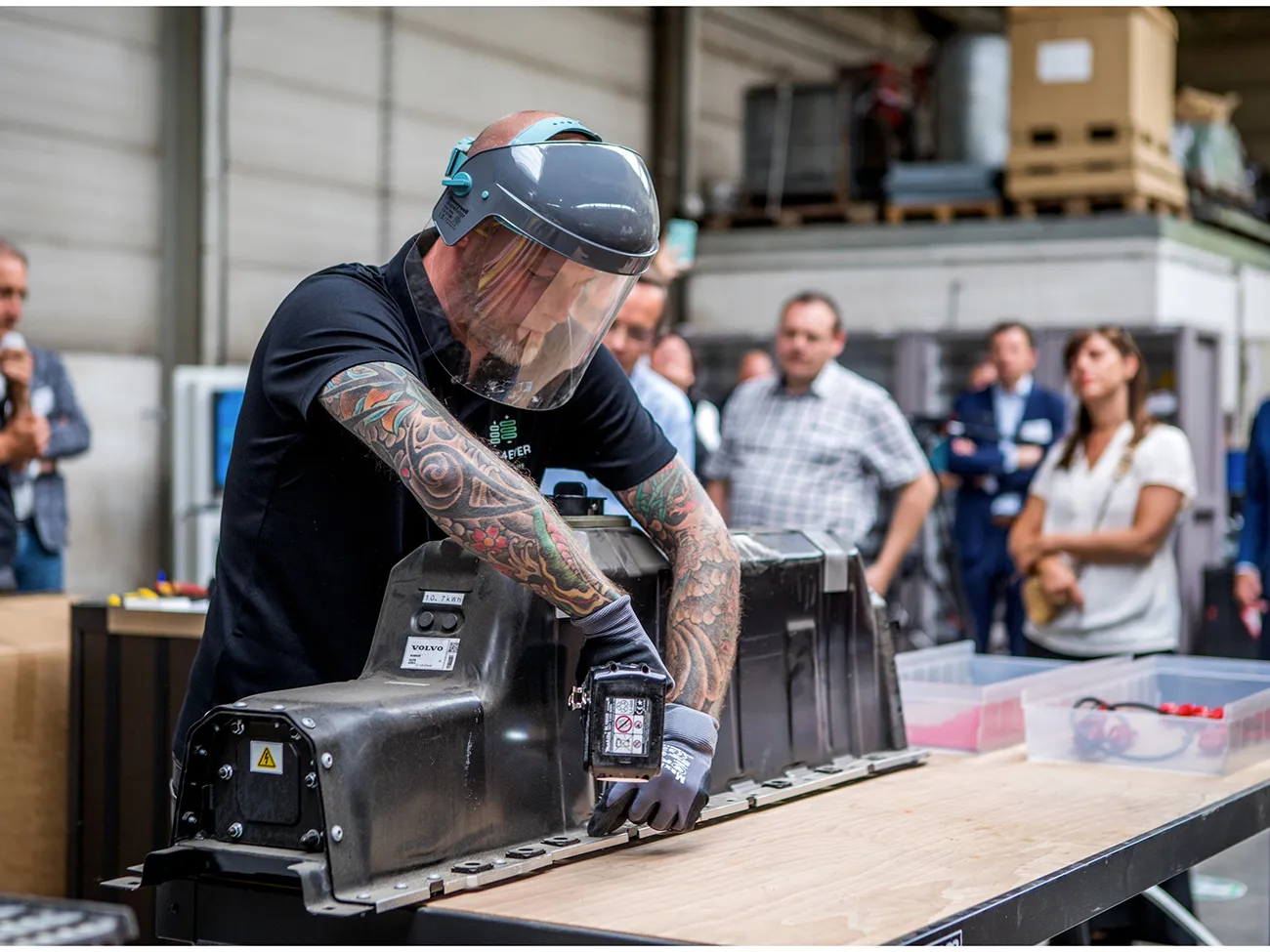
As managing director of Febelauto, Catherine Lenaerts has played an important role in the collection, treatment and recycling of end-of-life vehicles. “When I started in 2001, there were hardly any approved centres for end-of-life vehicles and hardly any cars. Scrap metal was already being processed, but the challenge was to bring the two together. Today, we can give no less than 97,3% of an end-of-life vehicle a second life through approved channels. This work requires constant attention and awareness-raising, because illegal mobile operators keep appearing. It’s an issue that needs to be addressed at European level.” Even after more than 20 years, Catherine Lenaerts remains as motivated as ever. “Because we are still facing new challenges,” she sums up. “Since 2016, batteries have become part of the picture. There were no solutions for them at the time. With the spin-off Watt4Ever, we can now convert batteries from electric vehicles into energy storage systems. I’m particularly proud of this pioneering work.” The same goes for the partnerships that have developed across the value chain. “Recycling is a complex issue involving different interests and influences. You can’t do it alone. That’s why, through Febelauto, I have always tried to bring people together, both within Belgium and beyond its borders. I see us as a family, with a wealth of knowledge to share and direct lines of communication to drive the next innovations. In terms of technology and development, we are an example to the world. That deserves to be said too.”
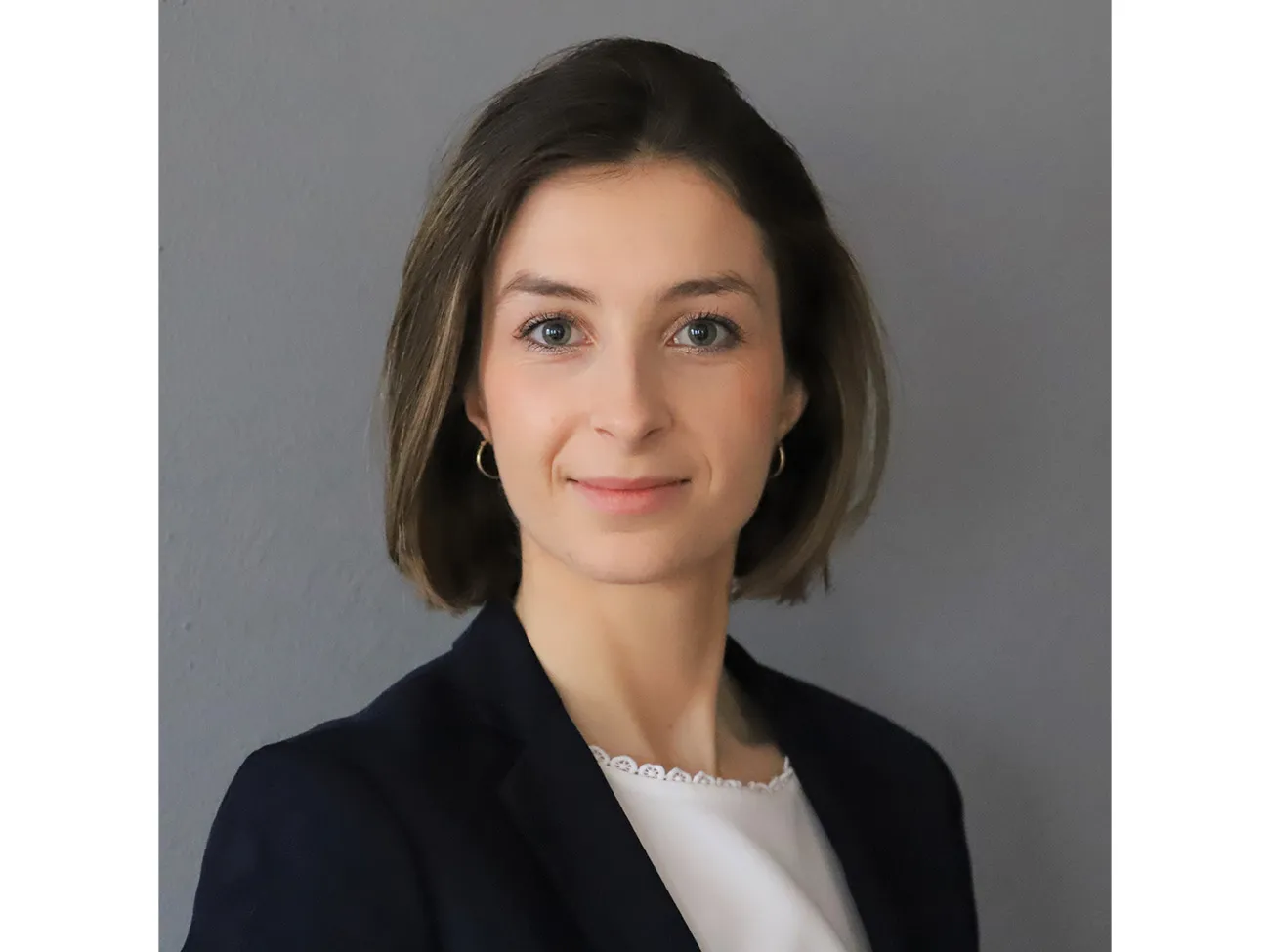
96th place: Mathilde Taveau
Coming in near the bottom of the list is nothing to be ashamed of. Quite the opposite. A chemical engineer by training, specialising in polymers, Mathilde Taveau of Plastics Recyclers Europe, the organisation representing the European plastics recycling industry, makes a compelling case. “Plastics are heavily criticised, but they are just as much part of the solution, as long as we keep improving collection, recyclability and, ultimately, recovery. I have always tried to do my bit.
First on the ground, in R&D and quality control, and now more in the regulatory sphere, where I look at how recycled plastics can be safely reused in direct contact with food.” Where does this passion come from? “Plastic is a fantastic material, but we need to think about how we use and recycle it. Research in this area is still in its early stages. There is enormous potential to develop new things and improve quality further. If we succeed, plastics will make a valuable contribution to the circular economy.” Taveau’s mission is therefore clear: to keep improving the quality and safety of recyclate and increase circularity. “I also want to help recycling companies interpret existing and future regulations. These are often worded in very complex terms, even though it is in day-to-day practice that things need to happen. That’s where the difference is made. I also want to contribute to educating the next generation. Recycling starts with the way we sort waste at home. I hope my career can inspire others too and show how our industry embraces innovation.”
Question about this story? Ask your question
Keep following this
Get an email when a new story is published. No account needed.
- SubjectNews







