












Service life and circularity in construction: a vision for the future
Texte & photos COPRO
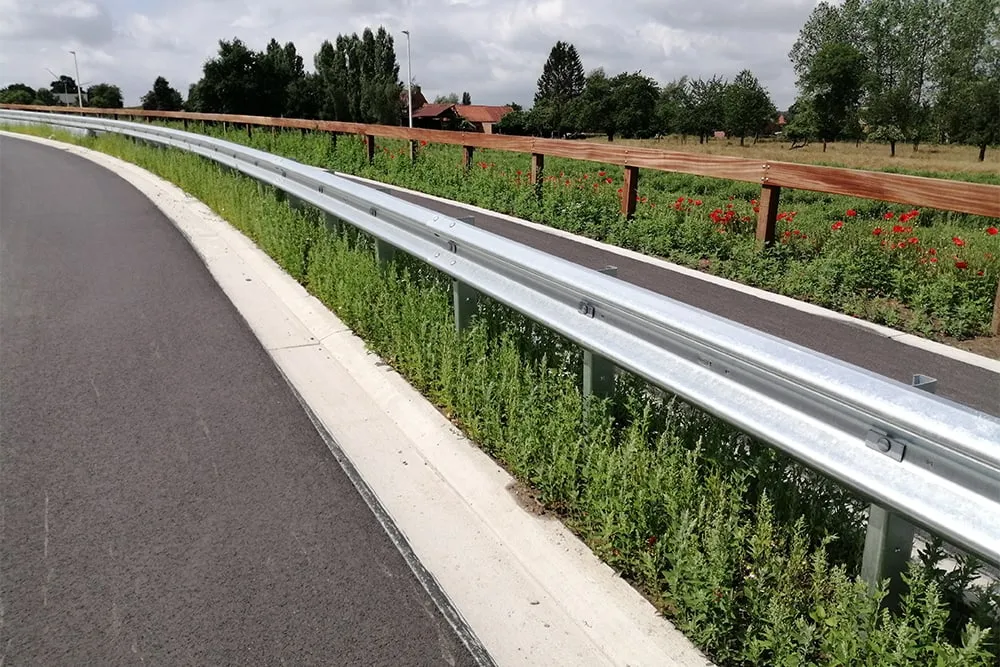
2024 marks an important milestone for COPRO: the certification body is celebrating its 40th anniversary. Four decades of quality assurance and innovation have made COPRO a key player in the construction sector. In response to the challenges facing society today, COPRO is focusing its efforts on a sustainable future, with an emphasis on circularity and reducing environmental impact. At national level, COPRO plays an important role as an impartial body, ensuring that practices are uniform and consistent throughout the country.
The history of COPRO: a look back at four decades
COPRO was founded forty years ago with a clear objective: to assure and improve the quality of construction materials and processes. The initiative grew out of collaboration between contractors and public authorities, who reached a consensus on raising quality standards in the construction sector. “Since then, we have worked to fulfil this mission through an independent, expert and innovative approach. Over the years, COPRO has successfully adapted to the constantly evolving needs and expectations of the sector, the authorities and society as a whole,” says CEO Dirk Van Loo.
One of the biggest challenges facing the construction sector today is combining quality with sustainability. “Our aim is to close the sustainability loop in the construction sector as far as possible, without compromising on quality. To do this, we look beyond the product itself and take a broader perspective. The development of certification for works execution alongside product certification is one example,” continues Dirk Van Loo. “We go further still with the certification of systems such as the CO2 Performance Ladder, the METN (Ecological and Technical-Natural Building Materials) management system and the NIWE label (Natuurinclusief werken, currently applicable only in Flanders). We encourage contractors, businesses and local authorities to take action to embed sustainability and circularity in their projects for the long term.”
End-of-Waste status for recycled aggregates
In Wallonia, the application of the End-of-Waste decree for non-natural aggregates provides for the issue of an End-of-Waste (EoW) certificate. “The aim is to ease pressure on natural resources and improve their use by encouraging the recycling and reuse of materials. Since the construction sector is one of the biggest generators of inert waste, the decree also sets out the criteria for ending the waste status of recycled aggregates produced from inert waste, enabling them to be reused as secondary raw materials,” explains Bernard Cornet, Business Development Manager at COPRO.
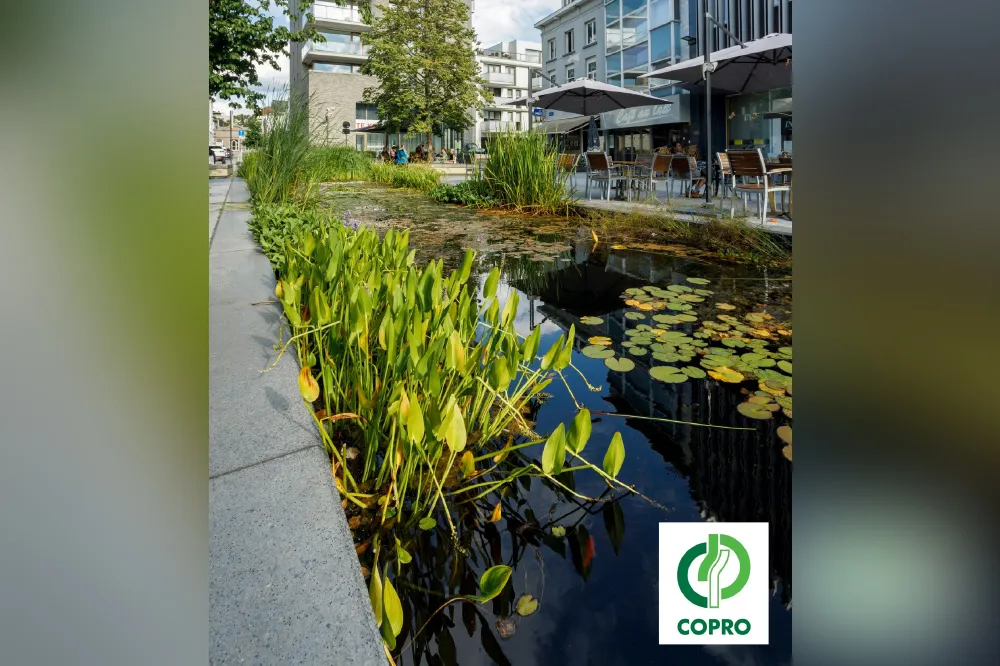
These recycled aggregates must also comply with the specifications in harmonised European product standards. In this area, COPRO acts as a Notified Body for CE marking. “In the coming years, COPRO will continue to support the development of a more circular economy. Specifically, we are taking part in a working group set up by the Walloon Public Service for Agriculture, Natural Resources and the Environment (SPW ARNE) to develop an inspection procedure for mobile crushing plants producing recycled aggregates,” says Bernard Cornet.
COPRO is also preparing to offer CE marking and EoW certification for these mobile plants. In the same vein, the organisation supports operators and contractors seeking to end the waste status of other substances or to have new by-products recognised in accordance with the relevant provisions.
Environmental impact and the CO2 Performance Ladder
“The world of circular construction materials offers a wide range of opportunities to make the construction sector more sustainable and reduce its overall environmental impact. We therefore continue to raise awareness among the various stakeholders and share our expertise to put this circular transition into practice,” says Dirk Van Loo.
One practical example is COPRO’s role as Belgium’s certification body for the CO2 Performance Ladder. This certification system encourages companies to reduce CO2 emissions from their operations and take effective measures to lower their environmental impact. Following a pilot phase to evaluate the system, the CO2 Performance Ladder is being progressively written into requirements by regional authorities and other clients, giving certified companies an advantage when contracts are awarded.
“In Flanders, it was recently decided that, from 1 January 2025, the Performance Ladder will apply to infrastructure projects worth more than €5 million. This requirement will be progressively extended to smaller projects, covering works worth more than €1 million by 2027. The ultimate aim is to make all public works more CO2-neutral, while also requiring contractors to make a strong commitment to achieving this ambitious goal,” concludes Kim De Jonghe, Sustainability Manager at COPRO.
In this way, COPRO remains alert to the emerging challenges of a sustainable society, prioritising circularity and reducing environmental impact.
Question about this story? Ask your question
Companies in this story
Keep following this
Get an email when a new story is published. No account needed.
- SubjectNews
- CompanyCOPRO







