












Fine shredders: versatile solutions for the circular economy
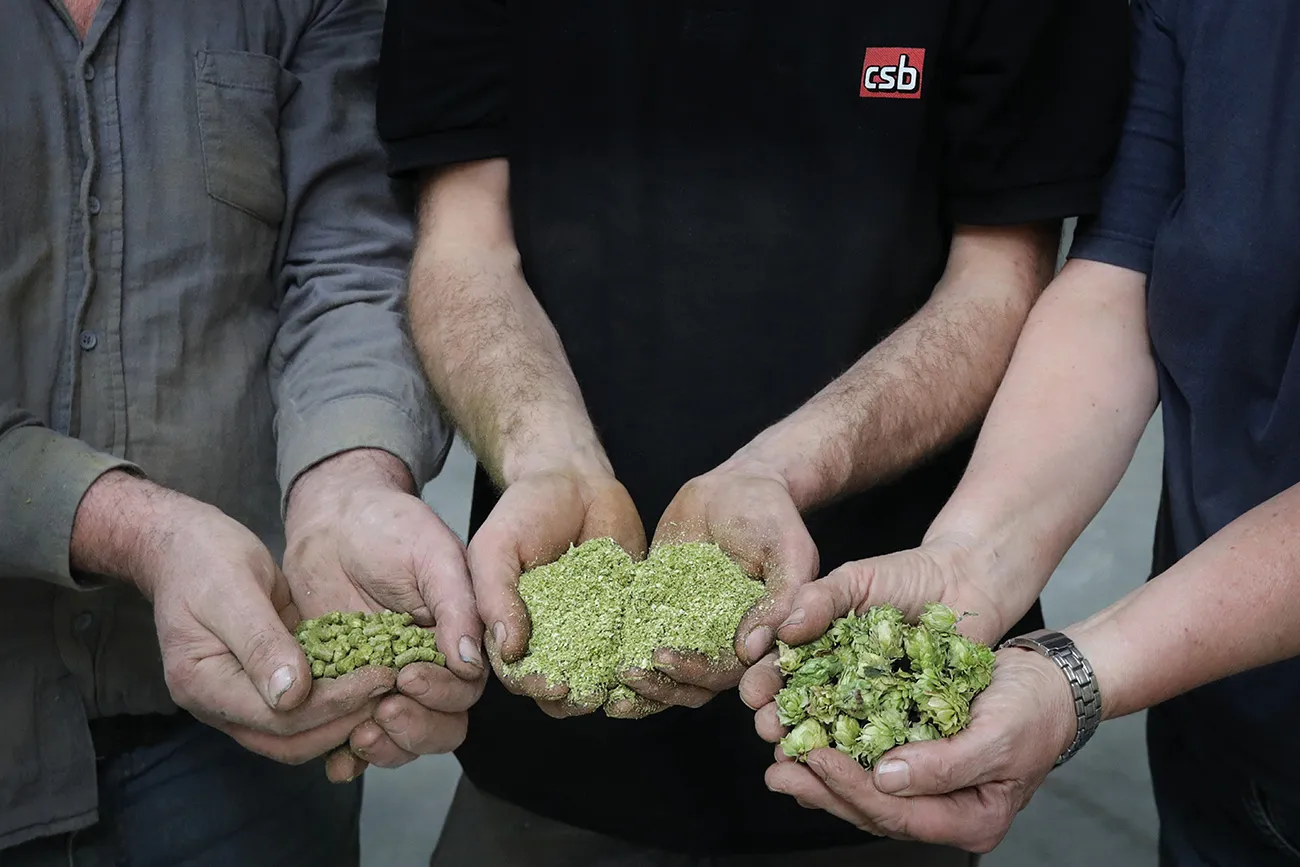
Growing pressure to tackle climate change is prompting questions about raw materials. Some pioneers are not hesitating to invest in recycling to keep their raw materials in circulation for longer. The snowball effect is now under way: more and more companies recognise that these circular business models can also be profitable. Fine shredders are an essential link in this chain because, in many cases, waste can only be reintroduced into the cycle after it has been cleaned and shredded.
Fine shredders grind raw materials into tiny particles measuring 5 mm or less, and sometimes as little as 250 micrometres. “If the technology is used to improve the quality of virgin raw materials, it is just as suitable for turning waste into new products,” says Stefaan Paulus, director of CSB Waste Solutions. This “Cradle to Cradle” principle is already applied in the plastics industry, where post-consumer plastic is collected, cleaned and properly shredded so it can serve as the basic raw material for new products. Examples include window frames made from 100% recycled PVC. Here, the fine shredder reduces old plastic to a fraction suitable for extrusion.
Making the most of raw materials
The wood-processing industry also uses fine shredders, in particular to turn wood waste into new particleboard. “By processing waste in this way, companies give the circular economy a significant boost,” explains Stefaan Paulus. Production residuals shredded into smaller fractions avoid ending up in the waste pile and serve as new basic raw materials for other producers. They are used to make wood pellets, cat litter, soil improvers and wood chips for playground surfacing to cushion children’s falls, or even recovered as fuel. “The technology is ready and the possibilities are extensive, but market mechanisms are preventing a breakthrough on a large scale. As long as virgin materials are cheaper than recycled ones, manufacturers will hesitate, especially if the end consumer is reluctant to pay more for a product made from recycled materials,” says Stefaan Paulus. This is why new legislation and/or other incentives are needed: “If it were made mandatory for every product to contain 10 to 15% recycled materials, we would move more quickly towards a more sustainable future,” he concludes.
Question about this story? Ask your question
Keep following this
Get an email when a new story is published. No account needed.
- ThemeModernising recycling facilities
- SubjectNews







