Inland waterway transport, efficient and environmentally friendly
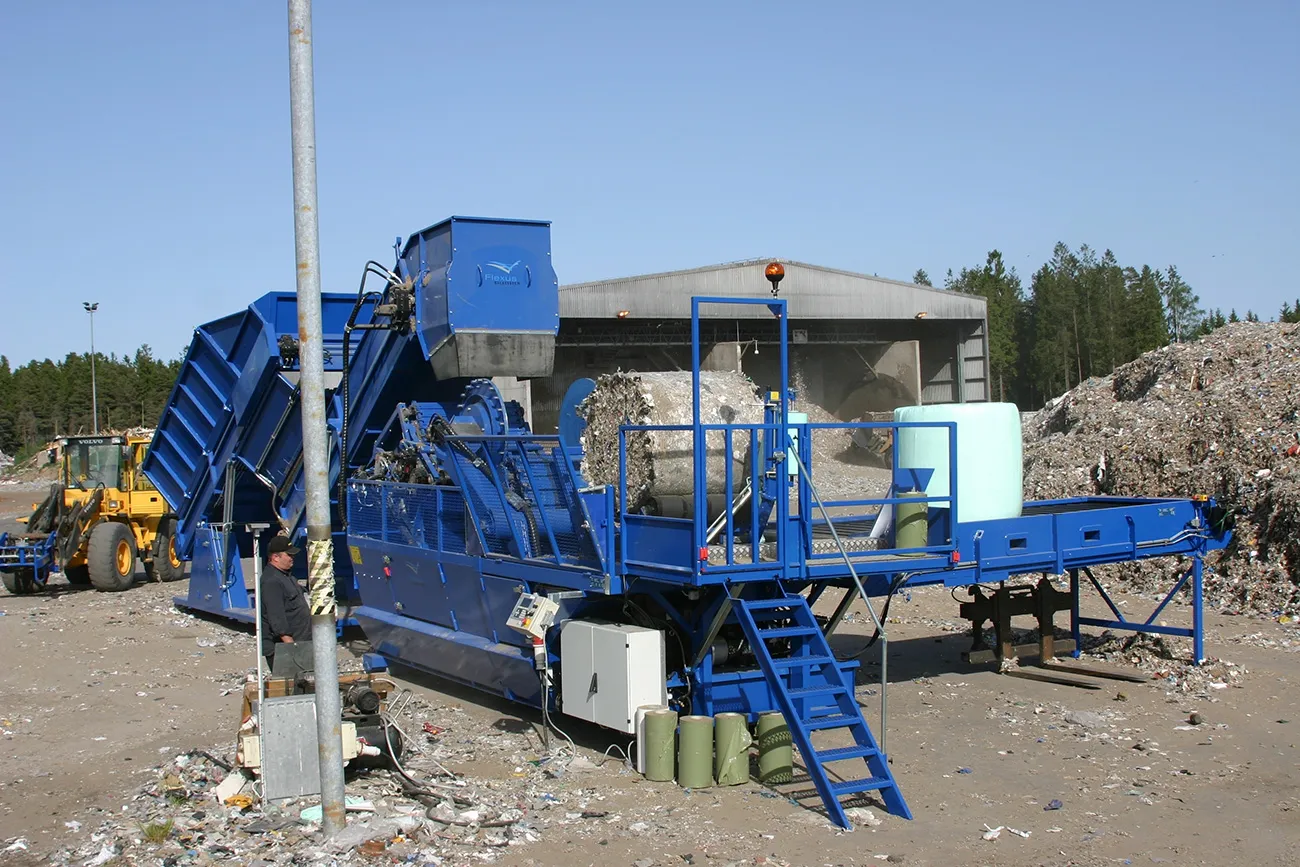
Recycling bales save space when stacking, storing and transporting materials
Philippe Potier of Smart Equipment is a true recycling specialist, with many years of experience in the sector to his name. He supplies state-of-the-art systems and machinery, as well as practical advice and highly effective waste treatment solutions. Smart Equipment is convinced that waste is best treated in bales and that transporting them by water is the preferred option.
Philippe Potier, manager of Smart Equipment: “Transporting waste by water unquestionably takes many lorries off the road, which is clearly positive both economically and in terms of environmental impact. Policymakers are also beginning to realise this. In the Netherlands, waste transported by water benefits from an attractive reduction in the environmental tax. This is sure to encourage this efficient, environmentally friendly method of waste disposal!”
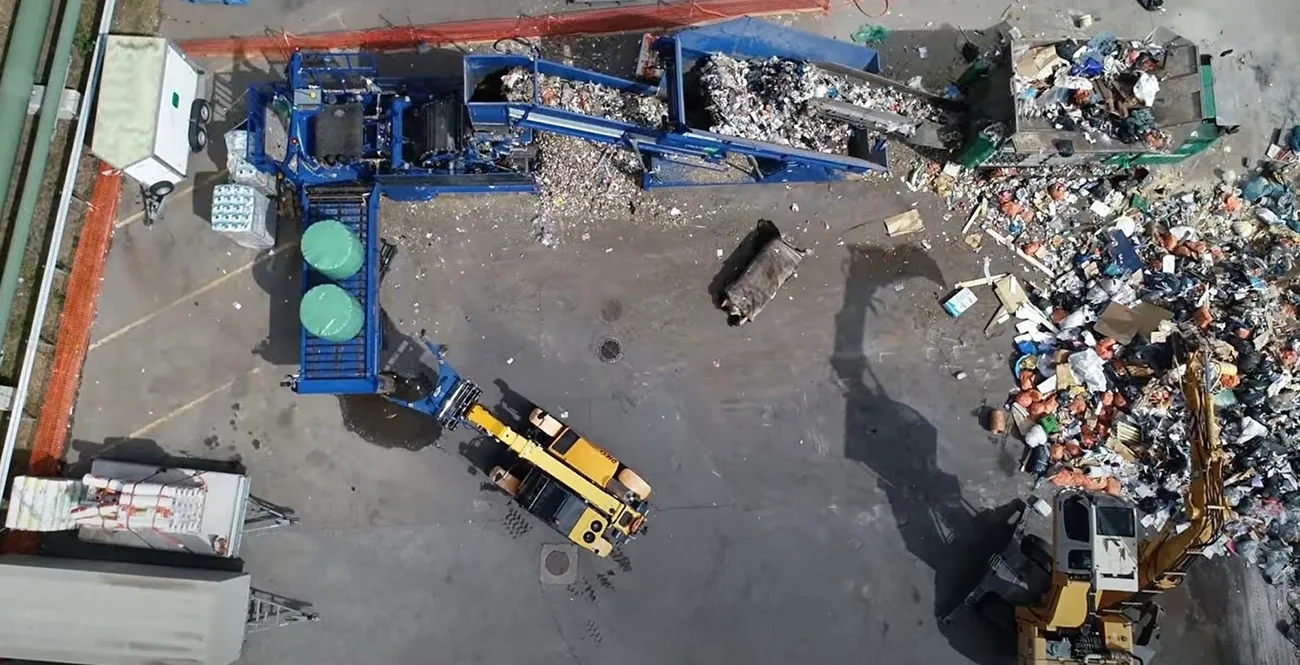
The environmental benefits of baling
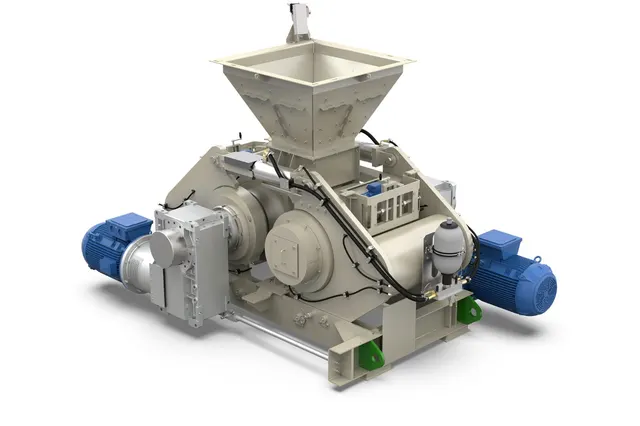
To produce the bales, Smart Equipment and Philippe Potier rely on Flexus’s integrated baling and bale-wrapping solutions. The Swedish company is a pioneer in industrial compaction and volume reduction for a wide range of applications. Its machines offer some distinctive environmental benefits:
Low energy consumption
A complete installation comprising a baler, bale wrapper and conveyors consumes no more than 10 to 40 kW/h. This is equivalent to around 1 to 1.5 kW per finished bale. This low energy consumption is due to the baler’s special patented design. The baler’s functions are controlled by an electro-hydraulic system. The bale chamber has rotating sides, and the infeed belt runs on rollers fitted with ball bearings.
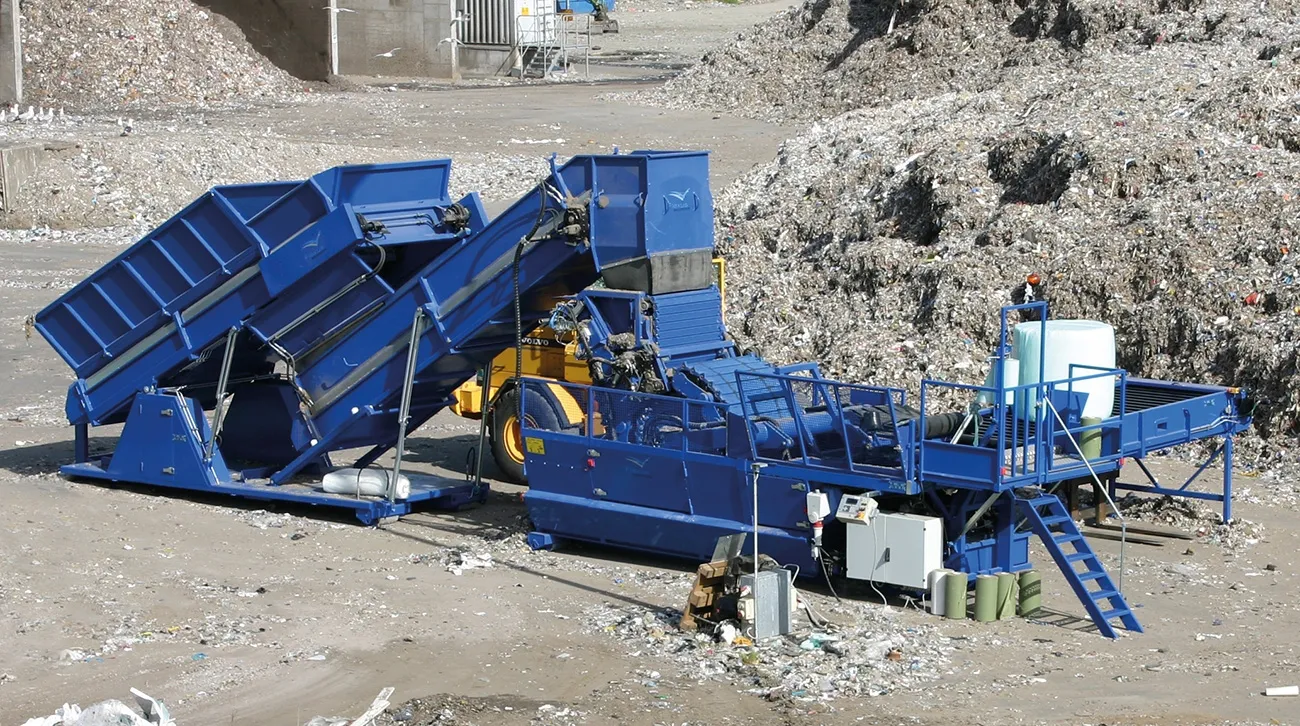
No leaks or fermentation
Although thin, the stretch film is highly durable. It seals the material airtight, preventing waste from escaping and halting decomposition. Waste is compressed to as little as 30% of the volume achieved with conventional treatment methods, then packed into airtight bales wrapped in stretch film. Without oxygen, fermentation and decomposition cannot begin.
Environmentally friendly stretch film and netting
The stretch film and netting used to wrap the bales are made of polyethylene, which turns into carbon dioxide and water when burned. The film is just 25 to 30 µ thick and accounts for only 0.1 to 0.2% of the bale’s total weight. The netting is made of environmentally friendly polyethylene.
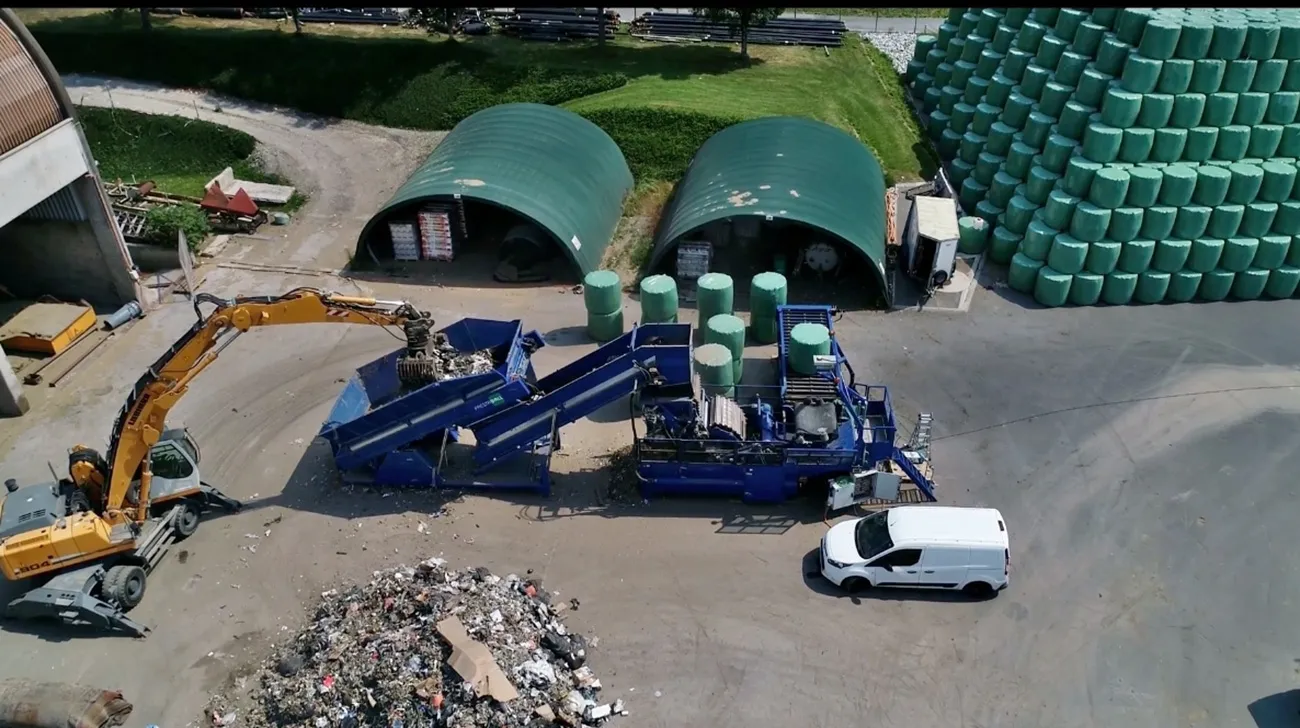
Bales can be stored for six months
Potier: “Their system is a bit like what farmers do in their fields when they make large hay bales. It is the same principle, but for recycled materials. With storage legislation becoming increasingly strict, we have noticed that some of our customers are asking for suitable solutions. Normally, once waste is on site, you have to treat it within 48 hours. But these bales can be stored for six months. This allows everyone involved to start treatment at the time that suits them best. The round bales produced by the Flexus semi-mobile machine take up very little space when stacked, stored and transported. The icing on the cake, of course, is that this type of baling system greatly reduces, or even completely eliminates, problems with unpleasant odours and/or troublesome pests.”
Een zakelijke vraag aan Smart Equipment? Get in touch
Companies in this story
Keep following this
Get an email when a new story is published. No account needed.
- ThemeCollecting and transporting waste
- SubjectEquipment
- CompanySmart Equipment