Recycling and waste treatment sector up in flames as a result of lithium-ion batteries
Texte & photos Denuo
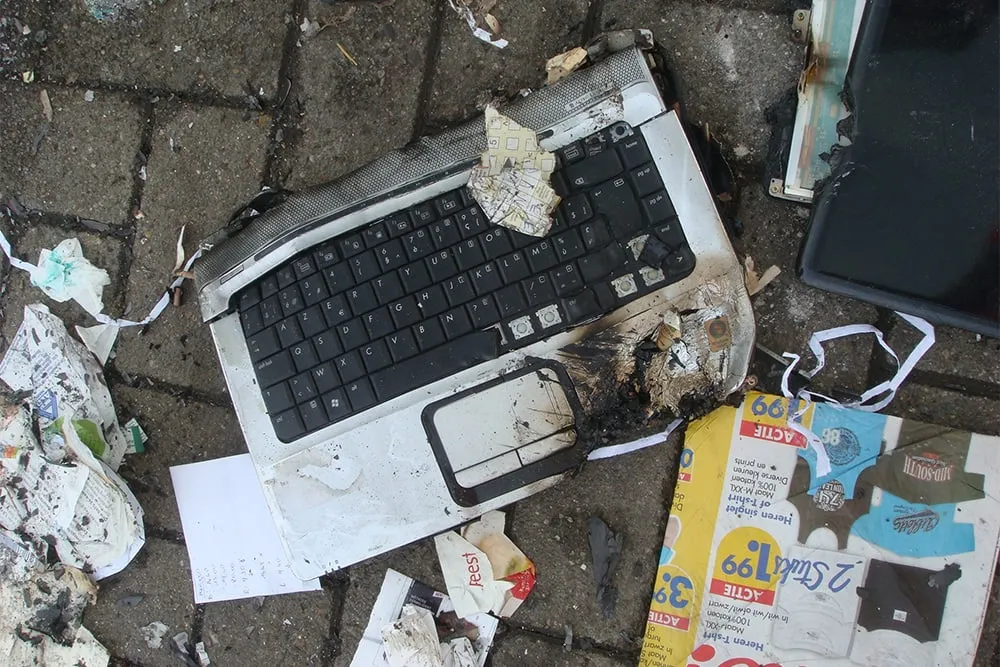
As our societies become increasingly electrified, the use of lithium-ion batteries is growing exponentially. Electric bikes and scooters, musical greeting cards, electric toothbrushes, cordless drills... So many everyday products contain an integrated battery. Integrated, but difficult to remove from the device once the product reaches the end of its life. As a result, these lithium-ion batteries end up in the wrong waste streams and cause fires.
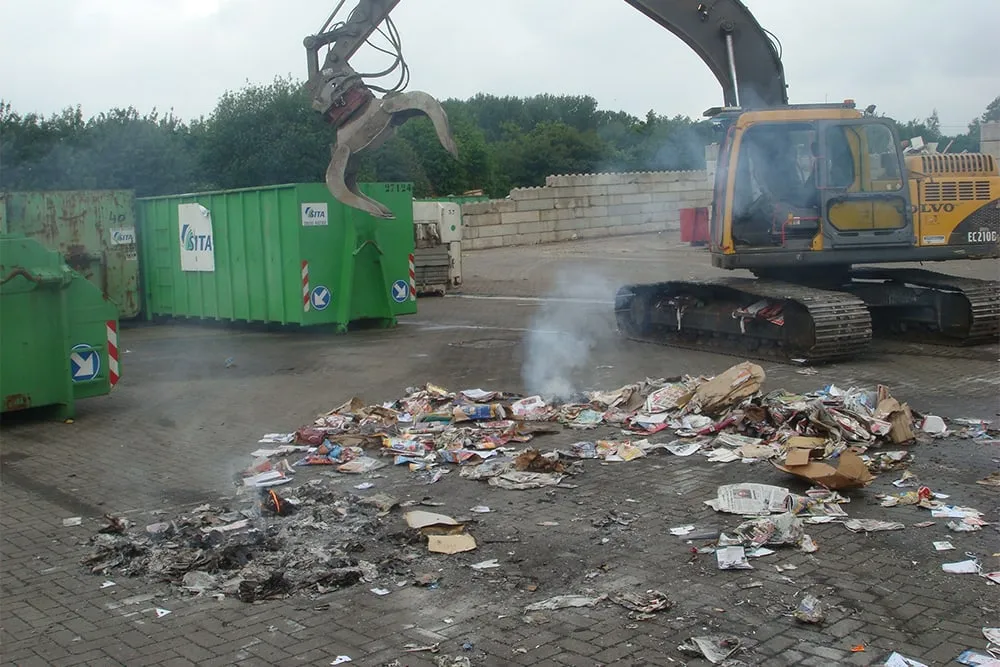
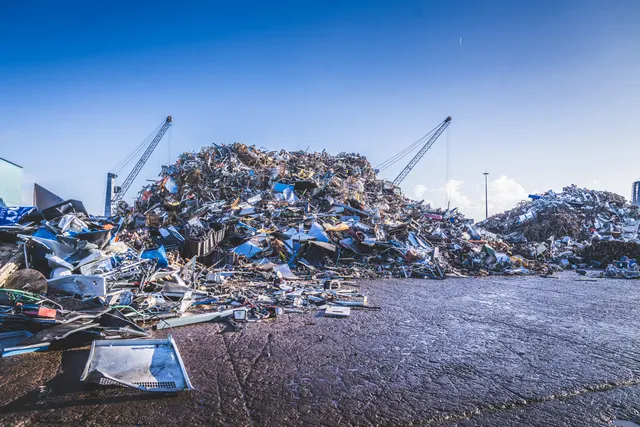
The number of fires breaking out in waste containers, collection vehicles and recycling companies is rising dramatically. The main cause? Products containing a lithium-ion battery that have been incorrectly sorted at source. Not a day goes by without a lithium-ion battery causing a fire at a waste treatment company, in a refuse collection vehicle or in a container. The recycling and waste treatment sector describes the situation as catastrophic! The severity of the problem is also confirmed by a 2018 European study, which found that the number of fires caused by lithium-ion batteries in the recycling sector had tripled in ten years. What is more, the problem affects all waste streams: paper and cardboard, residual waste, scrap metal and plastics.
Serious consequences
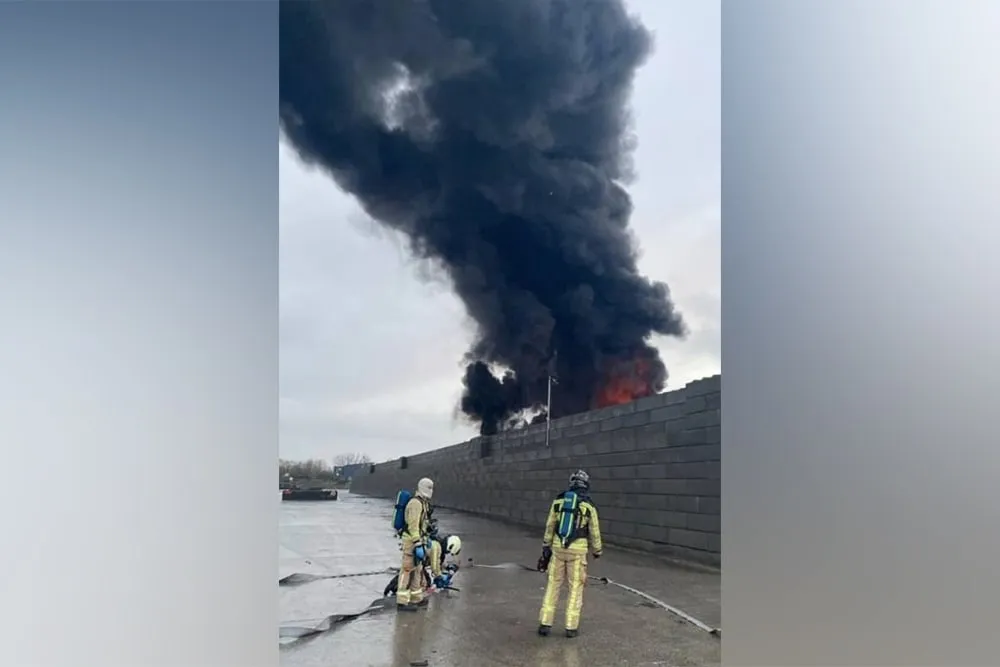
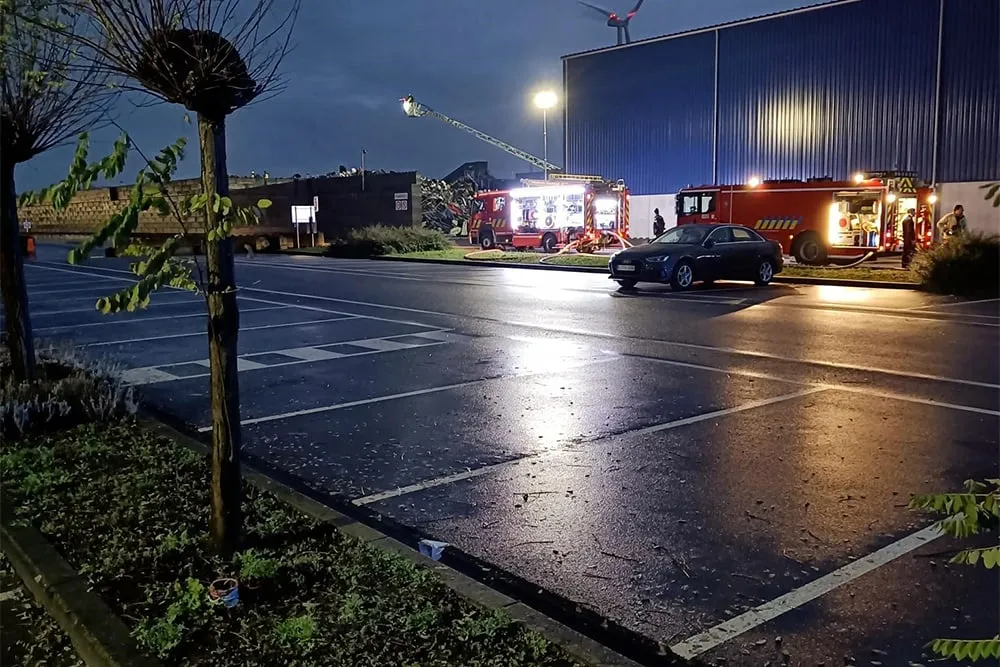
Fires caused by incorrectly sorted lithium-ion batteries can have serious consequences. Despite significant investment in battery detection and fire protection systems, these fires spread quickly and are difficult to extinguish. Their consequences can be extremely serious, ranging from serious or even fatal injuries to staff to the partial or complete destruction of recycling plants, as well as the loss of valuable recyclable raw materials. As if that were not enough, an increasing number of recycling sites are being refused insurance cover. Finally, the human and financial costs can be substantial, with repairs running into millions of euros.
Time to act
That is why the recycling and waste management sector is sounding the alarm and demanding urgent action from policymakers and producers or companies placing products on the market. In recent years, Denuo has worked extensively to raise awareness of the problem through an awareness-raising video campaign and the development of stickers for waste containers and collection vehicles. Together with the sector, Denuo has consulted with the management organisations representing producers of batteries and electrical and electronic equipment, Bebat and Recupel.
Denuo is currently continuing its discussions with other stakeholders, including intermunicipal organisations (VVSG and Copidec), fire services, insurance companies and regional administrations. The aim is to share the knowledge of all stakeholders in order to develop a guide to best practice in prevention and safety.
But that is not enough! Together with its members, Denuo is calling for strong mobilisation and concrete action from producers and companies placing products on the market. Specifically, the sector is calling for short- and medium-term measures:
The creation of a sectoral fund by the management organisations. A calamity fund set up by the management organisations would make it possible to put producer responsibility into practice. Manufacturers or companies placing products on the market would be required to pay an additional contribution to the fund for every lithium-ion battery they place on the market. The fund would help finance research and the development of solutions, as well as support companies affected by a fire when their insurance does not cover all the associated costs.
Support from the regions for consultation and the introduction of obligations to tackle the problem. Through (inter)regional consultation, awareness-raising initiatives and obligations for the management organisations can be introduced. The regions can also act as intermediaries in developing specific statistics on fires caused by lithium-ion batteries. These statistics will serve as a decision-support tool and help policymakers monitor the situation.
Question about this story? Ask your question
Companies in this story
Keep following this
Get an email when a new story is published. No account needed.
- ThemePreventing recycling risks
- SubjectDenuo
- Companybebat
- CompanyRecupel