Eco-design, a prerequisite for a circular economy
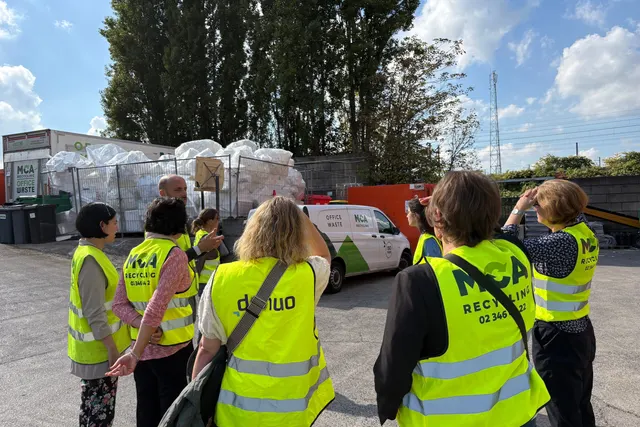
Between 2018 and 2020, Denuo studied the recyclability of various material streams on behalf of the FPS Public Health, Food Chain Safety and Environment. The aim of the study was to identify practical obstacles that make these materials difficult to reuse and recycle, and to use this information to make eco-design recommendations.
Over a two-year period, a total of thirteen waste streams were analysed. To this end, nearly 70 collection and recycling companies were visited to understand the practical barriers to sorting and recycling currently facing the sector. The study identified more than 100 obstacles preventing recyclers from maximising the recycling of collected materials.
Increasing and improving the recycling of industrial plastics
One of the thirteen streams studied was industrial plastics. The study looked at the use of plastics in the packaging and construction sectors, two major consumers of plastics in our country.
Consider industrial packaging films, which account for around 80 000 tonnes a year. Or the use of PUR as an insulation material, PVC window profiles and much more besides. Although these plastics are theoretically fully recyclable, in practice recycling them is impossible or undesirable. The result: these plastics ultimately end up in incinerators. A more considered approach to eco-design could help save them from this fate. In this article, we highlight a number of ways to improve the recycling of these industrial plastics.
Protecting the safety of people working in the waste and recycling sector.
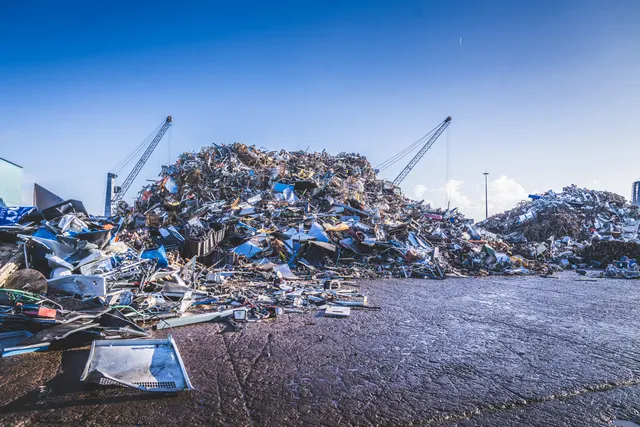
In some cases, product design can also have major consequences further down the chain, specifically when a product is discarded at a recycling centre. A prime example is electrical and electronic equipment containing a rechargeable (li-ion) battery, ranging from smartphones and laptops to electric bikes and scooters. If this equipment, including the battery, ends up in a scrap metal container, it can pose a serious risk. These batteries are highly sensitive. If damaged, they can catch fire. The consequences can include damage to sorting and recycling facilities, the loss of recyclable materials and, above all, endangering the lives of employees in the waste and recycling sector.
The situation is serious. According to a study, more than half of recycling companies in Europe face fires caused by lithium-ion batteries every week or every day. Yet this is entirely preventable, for example by standardising batteries and making them easier to dismantle.
Better sorting at source is also needed to ensure these batteries are collected correctly. A deposit-return scheme for batteries could help in this respect.
One of Denuo’s members, the COMET Group, is already investing in robotic sorting and has launched its own R&D projects to help prevent incidents that can turn this waste into “incendiary bombs”.
The need for greater recycling capacity
Demand for lithium-ion batteries will continue to rise as electrification gathers pace. This means that more of these batteries will come onto the market, and the need to recycle them will also grow. To meet rising demand for rechargeable batteries, their components will need to be recovered for reuse in production.
In early February, Denuo and Bebat hosted a webinar on the market potential for lithium-ion battery recycling, as well as opportunities for financial support. The webinar attracted considerable interest from businesses. We hope to continue our pioneering role in recycling in Belgium and recover lithium-ion batteries
safely.
Question about this story? Ask your question
Companies in this story

Keep following this
Get an email when a new story is published. No account needed.
- ThemePreventing recycling risks
- SubjectDenuo
- Companybebat