Crisis in plastics and textiles recycling
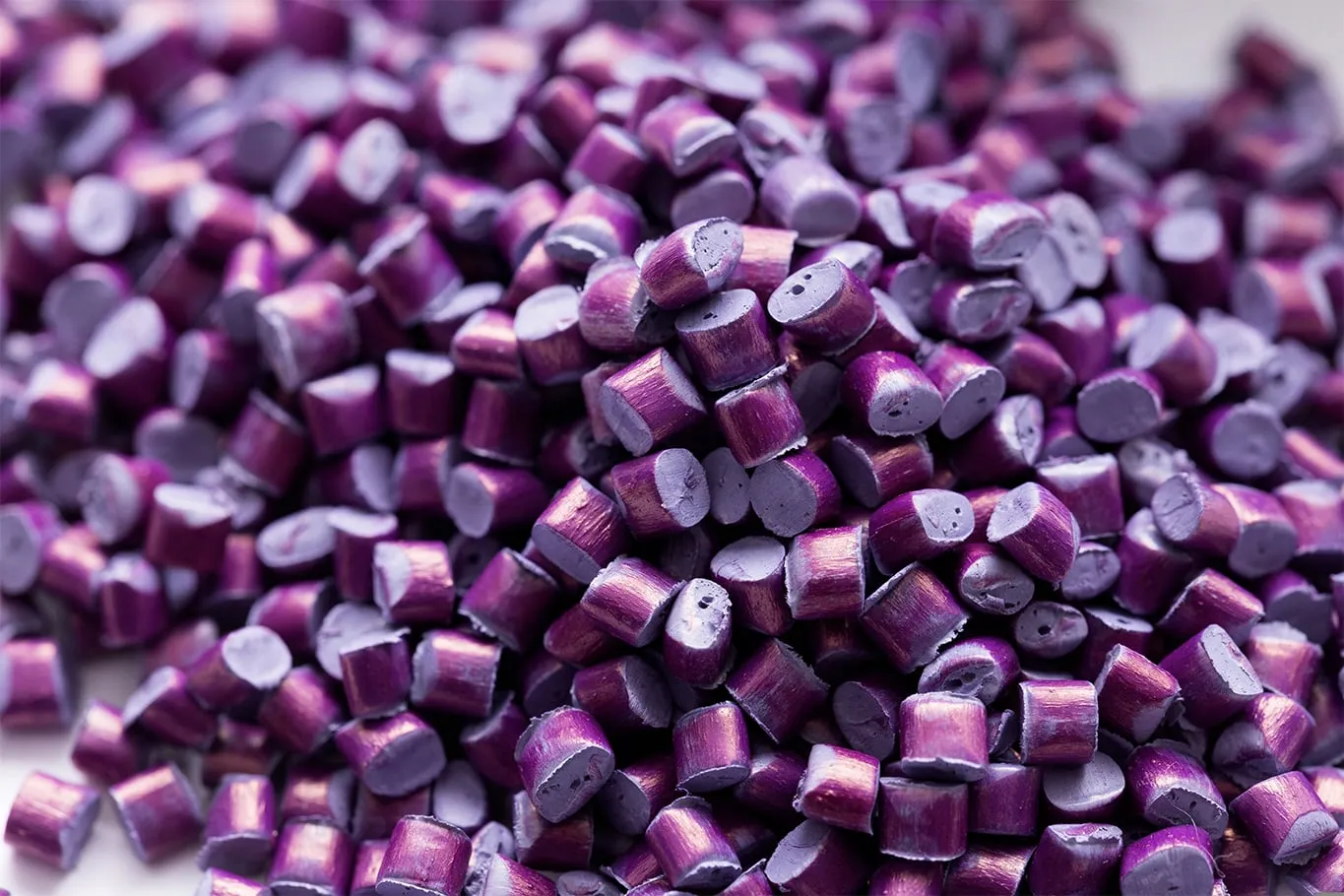
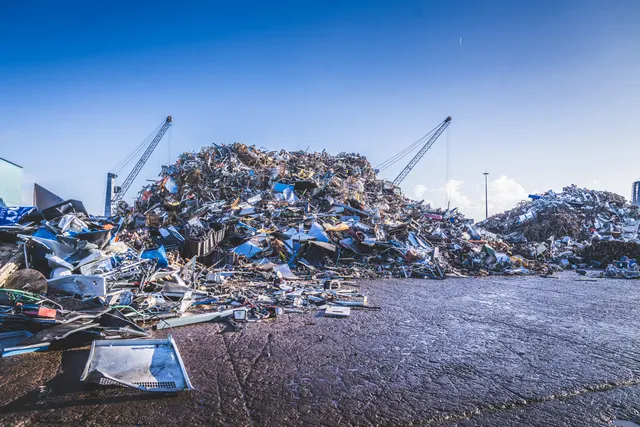
Plastics and textiles recycling is in the grip of a serious crisis. Recycling companies are increasingly facing competition from cheap new materials and recycled materials from Asia. These external factors are forcing them to scale back investment and making it difficult to meet the European targets set for 2030. The problems are affecting both the plastics and textiles sectors, and their impact is increasingly being felt.
Plastics recycling under pressure
Belgium has a plastics waste recycling rate of 39%, making it one of Europe’s leaders. However, recycling companies are finding it increasingly difficult to sell their recycled materials at competitive prices. The market is awash with cheap virgin and recycled plastics from Asia, where labour and energy costs are lower. Companies placing plastic products on the market choose the cheapest raw material, relegating sustainability to the back seat. This is putting pressure on the margins of European recycling companies, particularly those in Belgium. As a result, many investments planned to meet EU recycling targets risk being postponed. Requiring recycled content in plastic packaging from 2030 could provide some relief, but the sector urgently needs short-term measures to ease competitive pressure from the Far East.
Textiles sector struggles amid ultra-fast fashion
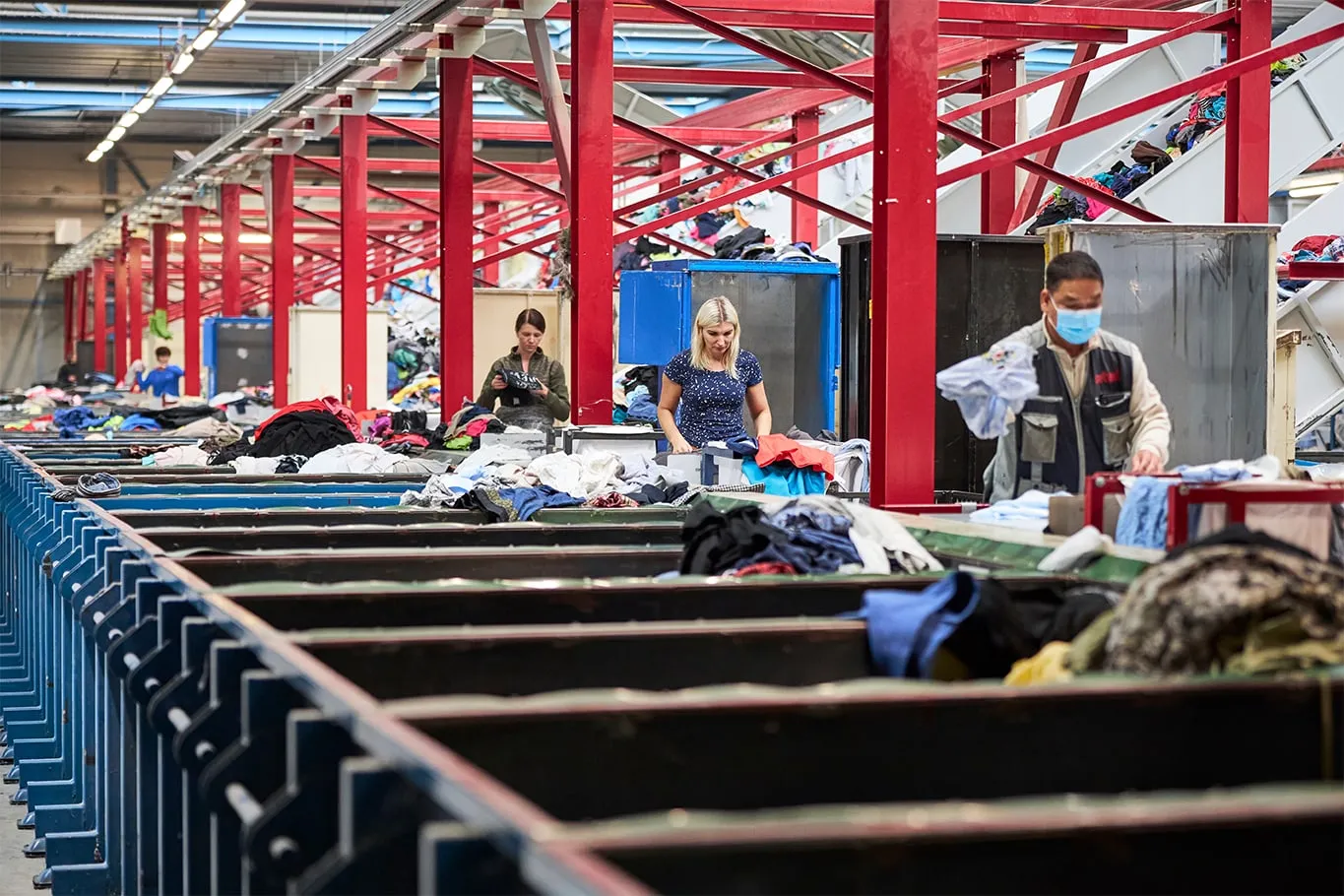
The textiles sector is also under immense pressure, particularly as ultra-fast fashion continues to grow. Cheap clothes from Chinese online shops such as Shein and Temu are flooding both European and African markets, with a significant impact on textile recovery companies.
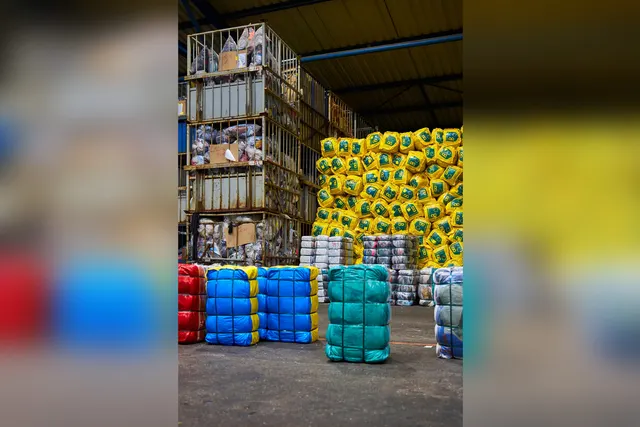
On the one hand, these companies are struggling to sell second-hand clothes, and at increasingly low prices. As a result, textile collectors and sorters are seeing their stocks build up while struggling to find outlets.
On the other hand, the quality of these ultra-fast fashion garments is often poor, meaning that an increasing proportion of collected textiles are no longer suitable for sale as second-hand clothes. This is forcing companies to turn more quickly to other uses, such as processing them into cleaning cloths.
To ensure sustainable solutions and high-quality recycling, the introduction of extended producer responsibility is being considered. Under such a scheme, companies placing textiles on the market would also be responsible for their treatment at end of life. This could be a step towards sustainable solutions to the challenges facing the sector.
In any case, without fast and effective solutions, the recycling sector risks losing its leading position in Europe. The coming years will be crucial for the future of the circular economy, and the role of European legislation and support will be vital.
Question about this story? Ask your question
Keep following this
Get an email when a new story is published. No account needed.
- ThemeOvercoming the plastics crisis
- SubjectDenuo