Proposal for new end-of-life vehicle regulation
Profitable prospects for the recycling industry
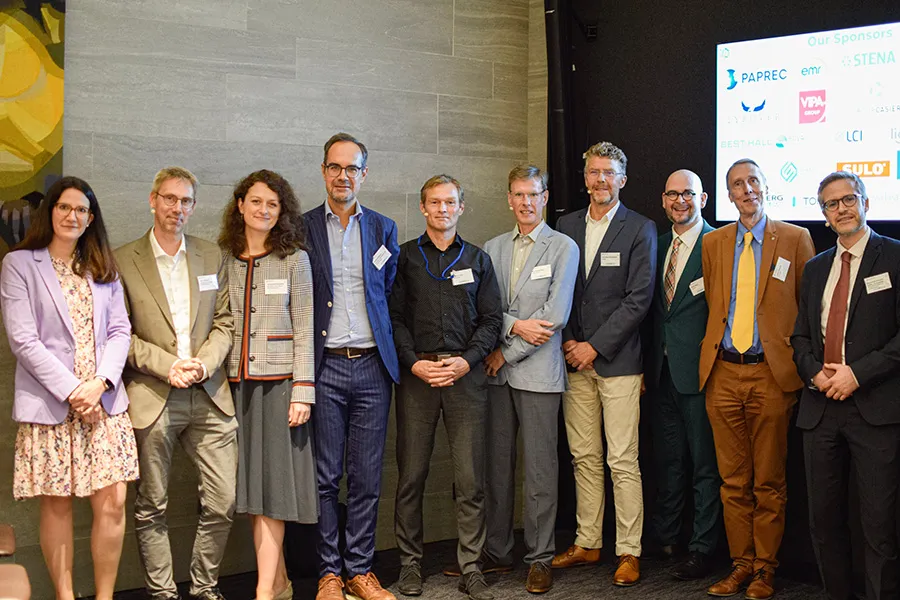
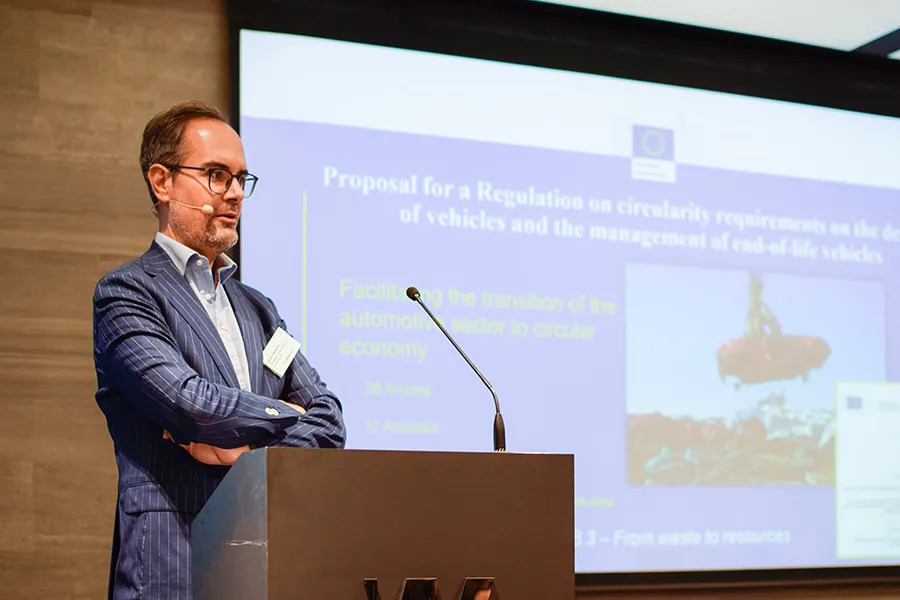
In July, the European Commission proposed a new directive on end-of-life vehicles. It will replace the old rules with a more comprehensive approach that takes the entire life cycle into account. At its latest European recycling conference, EuRIC gave this subject a central place. Mattia Pellegrini came to explain the guidelines behind the new proposal. However, it still needs to be approved by the European Parliament, so there is still time to refine it.
The European Green Deal identifies the automotive sector as one of the seven key value chains in its circular economy action plan. By bringing legislation on end-of-life vehicles (ELVs) together with the directives on the reuse, recycling and recovery of vehicles (3RTA) in a new package, the aim is to achieve three objectives: changes in vehicle design, higher-quality recycling and greater use of recycled materials in new cars. First, let us look at the figures. The proposal drawn up by the European Commission comprises 56 articles, 11 annexes and 17 implementing and delegated acts, as well as an impact assessment and three supporting studies. Efforts have also been made to create synergies with the proposed Critical Raw Materials Act and the battery directives. There is therefore plenty of material to consult for anyone wishing to explore the subject in greater depth.
More vehicles covered
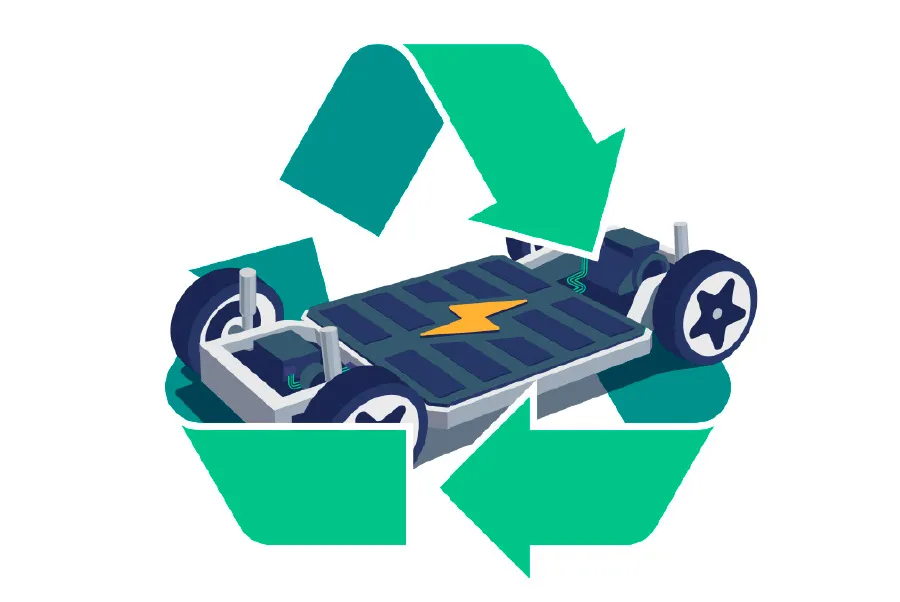
The first major change is the expansion of the range of vehicles covered by the new rules. Motorcycles, small and large buses, light and heavy goods vehicles, as well as trailers, will gradually have to comply with them too.
Circular design comes first
To improve the circular design of all these vehicles, the European Commission is proposing a mandatory recycled content target. The figure proposed is 25% for plastics, a quarter of which must come from closed-loop recycling. Options for steel are still being studied. A feasibility study is planned for aluminium and other critical raw materials. “Targets will follow. Once we have completed our market inventory and simulations, we will be able to set them out in secondary legislation,” explains Mr Pellegrini. Another focus for circular design is “design for removal”. Certain parts and components will have to be removed from end-of-life vehicles. This will include batteries, as well as electric motors. The list of these parts and components, set out in Article 30, has attracted the most objections. “Each part and component on the list has been assessed, firstly to determine its potential for reuse and, secondly, to establish the impact of separate collection on recycling quality. We also looked at where it is located in the vehicle and whether it can be removed manually. There are differing views within the Commission itself on this list. That is why the option of using post-shredder technology remains open, provided comparable performance can be achieved.” Anyone wishing to comment on this has until 20 November to respond.
Manufacturers’ obligations
Car manufacturers’ obligations are also being expanded. They will have to report the quantities of recycled plastics, steel, aluminium, magnesium and rare earths contained in their vehicles. Making this additional information available should help consumers make sustainable choices. Reporting the materials present could also help the recycling sector identify valuable parts and components in a vehicle. The second obligation is to draw up a circularity strategy. Although most manufacturers are already working on this, the proposed new regulation clarifies what is required: a description of material recovery procedures, identification of existing and upcoming technologies for treating end-of-life vehicles, planned actions and forthcoming design changes. Mr Pellegrini adds: “In addition, extended producer responsibility will be introduced, and it may be organised individually or collectively. In this context, a mechanism will be developed to allocate costs fairly between Member States, based on where dismantling actually takes place.”
Improving recycling quality
The European Commission has a twofold objective for collection and processing. It aims to increase both quality and volumes. “To achieve a clean stream, we propose not mixing materials from end-of-life vehicles with the WEEE (waste electrical and electronic equipment) or plastics streams. The dumping of untreated non-inert fractions will be prohibited.” A target has been proposed, but only for plastics: 30% of plastics from vehicles will have to be recycled. To encourage reuse, removed parts and components will be labelled and supplied with a warranty.
Keeping raw materials in Europe
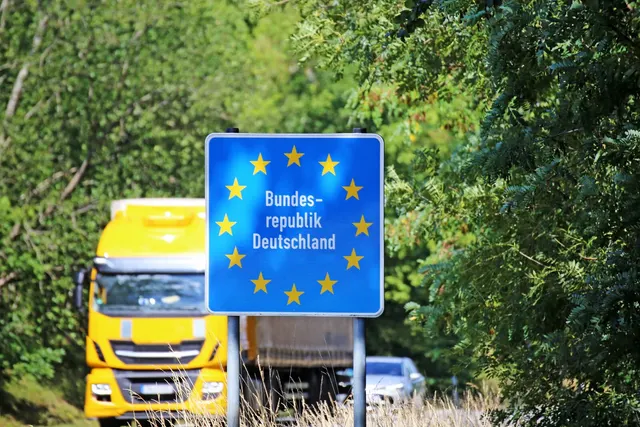
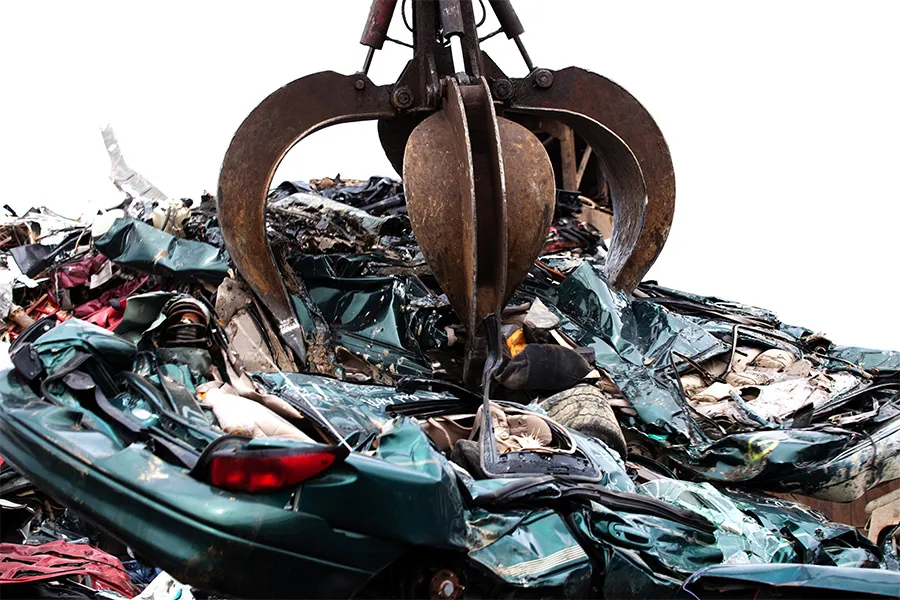
One final regulatory focus is end-of-life vehicles that disappear from the radar. “Today, border checks are not effective enough, which means that valuable raw materials are lost along with these end-of-life vehicles.” The Commission proposes checking exported vehicles to establish whether they are still roadworthy. Digitalisation is being considered for this purpose. The idea would be to create a central vehicle registration platform, which all European customs authorities would also be able to access. “The details of how this platform will be implemented still need to be clarified.”
What will it cost?
How much will all these measures cost? Who will foot the bill? And what benefits can be expected? The European Commission has done the calculations. “These measures should enable us to reduce the amount of CO2 released into the atmosphere by 12.8 million tonnes, which would represent a saving of €2.8 million. Some 5.4 million tonnes of materials will get a second life thanks to higher-quality recycling. We should also recover 350 tonnes of critical raw materials, which are needed to build our carbon-neutral society. The net cost of this package of measures is around €69 per new vehicle. The user will bear most of the costs (€39). For the recycling sector, this new directive would be an opportunity to make a profit,” concludes Mr Pellegrini.
Question about this story? Ask your question
Keep following this
Get an email when a new story is published. No account needed.
- ThemeRecycling metals and vehicles
- SubjectWaste streams