New rules on plastic waste imports and exports
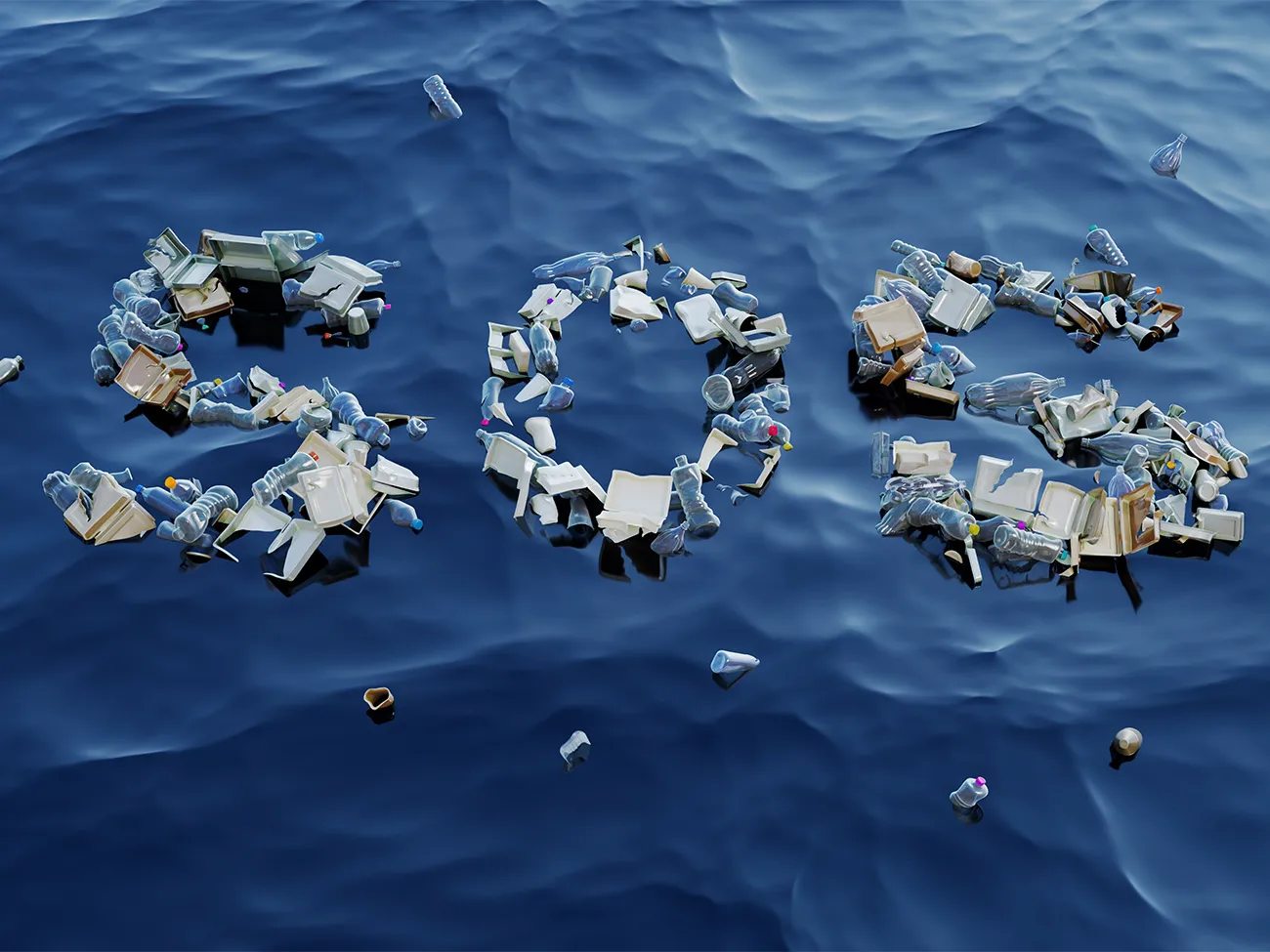
Plastic’s poor environmental image is largely due to the damage that plastic waste can cause in the sea. Images of this damage have also put the issue on the political agenda. Initiatives such as the ban on single-use plastics are already a good example. In 2021, Europe went a step further by tightening the rules on plastic waste imports and exports. The aim is to prevent contaminated plastic waste from being treated improperly and in an environmentally damaging way elsewhere.
The Basel Convention established the new framework for the import and export of plastic materials. In practice, the rules, which came into force on 1 January 2021, mean that only “clean” waste or secondary raw materials can be freely exported in Europe. Once a certain level of contamination is exceeded, a notification procedure must be followed. In such cases, exporters must inform the designated national authority in the country of origin and the country of destination. The importing country must also give its explicit consent to the import of the waste stream in question. The export of “contaminated” waste streams to non-OECD countries is even prohibited. For plastic waste imports and exports within the European Union, a maximum contamination level of 6% applies. For exports outside Europe, the limit is just 2%.

Devastating consequences?
This was a development the industry had hoped to avoid. Recycling companies in Europe feared that the rules proposed under the Basel Convention would have devastating consequences. The administrative and financial burdens associated with notification procedures could hamper the fast-growing recycling industry and, consequently, the development of a circular economy. This makes it even harder for recyclates to compete with virgin raw materials, which, by contrast, can be imported without any restrictions, regardless of their environmental impact. Another piece of legislation was also still missing. European Regulation 2021/1840, which was due to come into force at the same time, was not introduced until November. It clarifies which waste streams can be exported to which countries outside the OECD. Recycling companies were therefore left in uncertainty for eleven months. During this period, a notification procedure had to be initiated for all exports to non-OECD countries. This interim solution was not implemented and enforced with the same rigour everywhere, resulting in unfair competition within Europe.
More freedom to build a circular economy
The recycling industry is therefore calling for greater freedom. There is certainly sufficient awareness of the problem of plastic waste being dumped at sea. However, with the existing infrastructure in Europe for treating plastic waste sustainably, there is no need for any of it to end up in the sea. That said, not every Member State can be expected to have an adequate recycling solution for every plastic waste stream. Economies of scale are crucial to competing with virgin raw materials. It is therefore essential to preserve freedom of import and export within Europe and minimise the administrative burden. This is the only way to meet European recycling targets and establish a European circular economy.
Question about this story? Ask your question
Keep following this
Get an email when a new story is published. No account needed.
- ThemeOvercoming the plastics crisis
- SubjectWaste streams