Meeting the challenges of Li-ion batteries by 2032
Texte Luc Ophals | Photos Bebat
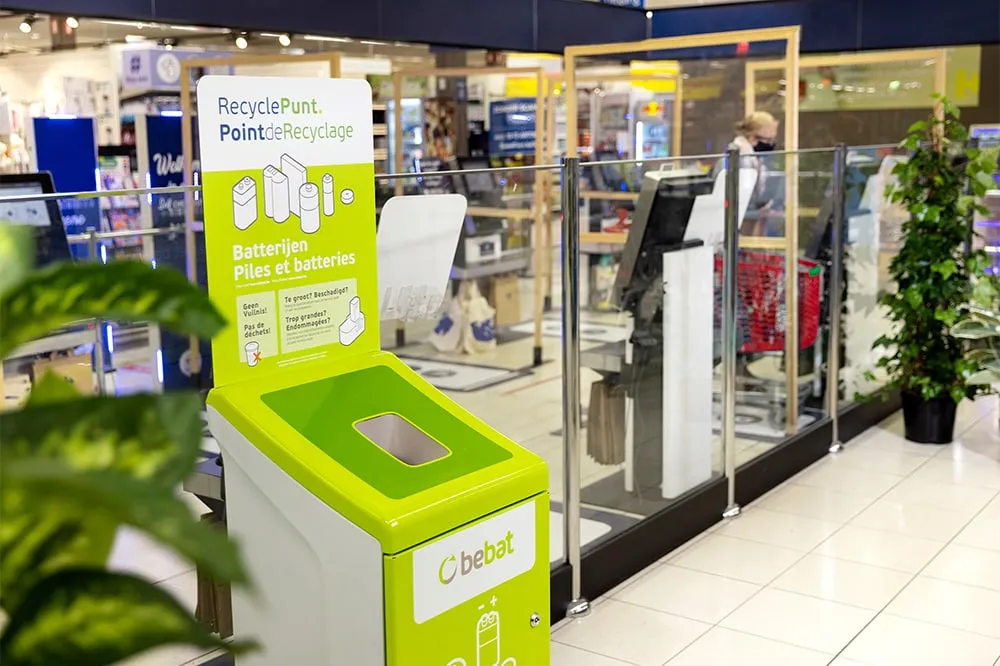
Against the backdrop of the new European Batteries Regulation, which came into force on 18 February 2024, and in view of the current and future growth in lithium-ion batteries, Bebat, the non-profit organisation responsible for collecting batteries in Belgium since its creation in 1995, is fully aware of the challenges ahead by 2032 and has set out its ambitions in its 2024 memorandum. The aim is to support the recycling sector and preserve Belgium’s leading position in Europe by stepping up collection, recycling and reuse efforts, while raising awareness among all players in the value chain.
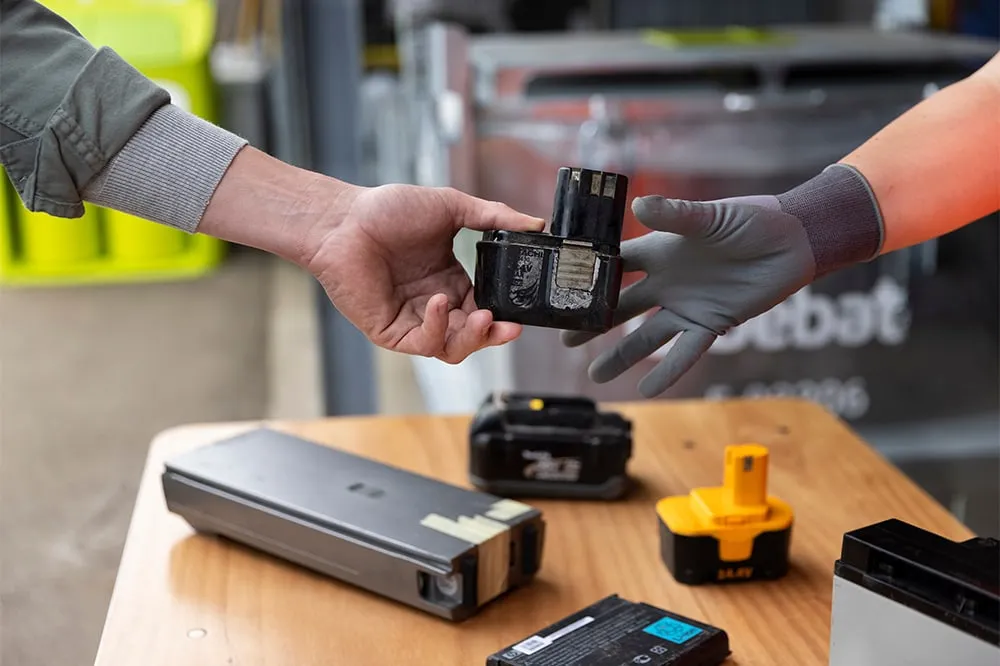
It is worth noting that Belgium is one of Europe’s top performers in the collection of used batteries, with an overall collection rate of 59%, well above the European target of 45%. In the 2022 reference year, some 3 717 tonnes were collected through 24 355 collection points. But we all know that the battery sector is expanding rapidly, driven and accelerated by the widespread electrification of the vehicle fleet and mobility in general, the growth of the Internet of Things (IoT), the increasing number of electricity storage solutions and technological advances overall. “In 2014, lithium-ion batteries accounted for 25% by weight of batteries placed on the market, excluding electric vehicles, compared with 64% for single-use alkaline batteries. The trend has reversed since 2020, with lithium-ion batteries accounting for 68% in 2022 and alkaline batteries just 29%,” says Fatima Boudjaoui, communication manager at Bebat.
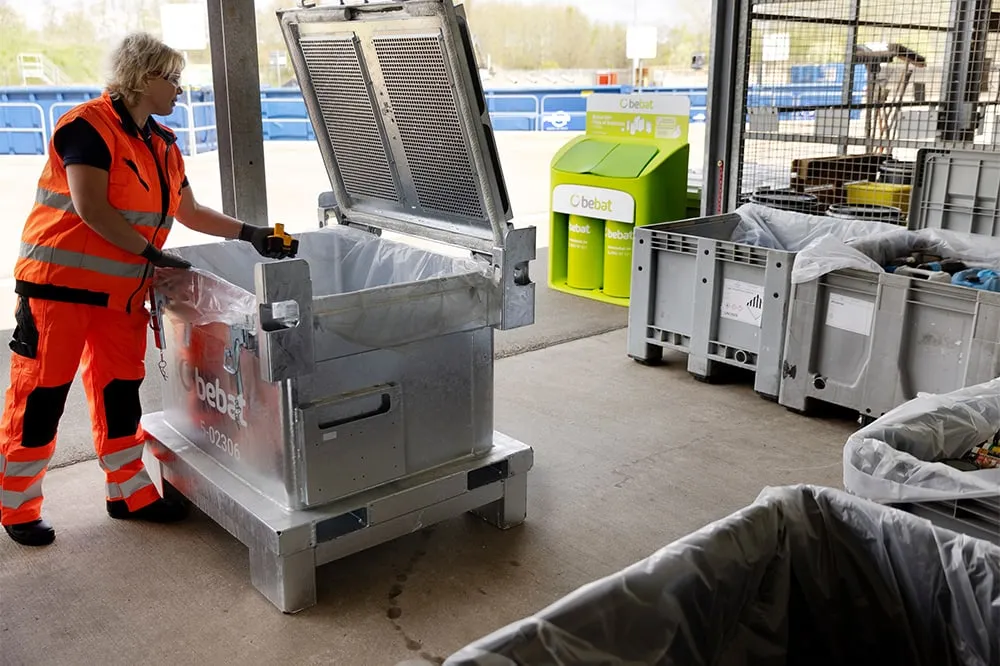
Ambitious new European targets herald major challenges
In response to these developments, Europe adopted a new regulation on waste batteries on 17 August 2023. The regulation came into force on 18 February 2024 and sets ambitious, phased targets for the five identified battery categories. This means rethinking collection practices, which have nonetheless proved effective, in order to capture new types of batteries. “Under this new regulation, Belgium is expected to collect almost seven times as many lithium-ion batteries as it does today. That is something of an unattainable dream,” comments Fatima Boudjaoui.
“According to our forecasts, if current policies remain unchanged, we risk falling behind and failing to meet the new targets after 2028. There are several reasons for this. Firstly, lithium-ion batteries have specific characteristics: their actual lifespan exceeds the three-year period used in the European calculation methodology. Secondly, 80% of lithium-ion batteries are integrated into devices, so they have to be removed. This is not always technically feasible today, even for a qualified person. Thirdly, some devices are exported for refurbishment, recycling or dismantling, and do not remain in Belgium. Moreover, the challenge is not limited to collection. Recycling is also involved, and capacity needs to be developed to process the lithium-ion batteries that will increasingly reach end of life,” explains Fatima Boudjaoui.
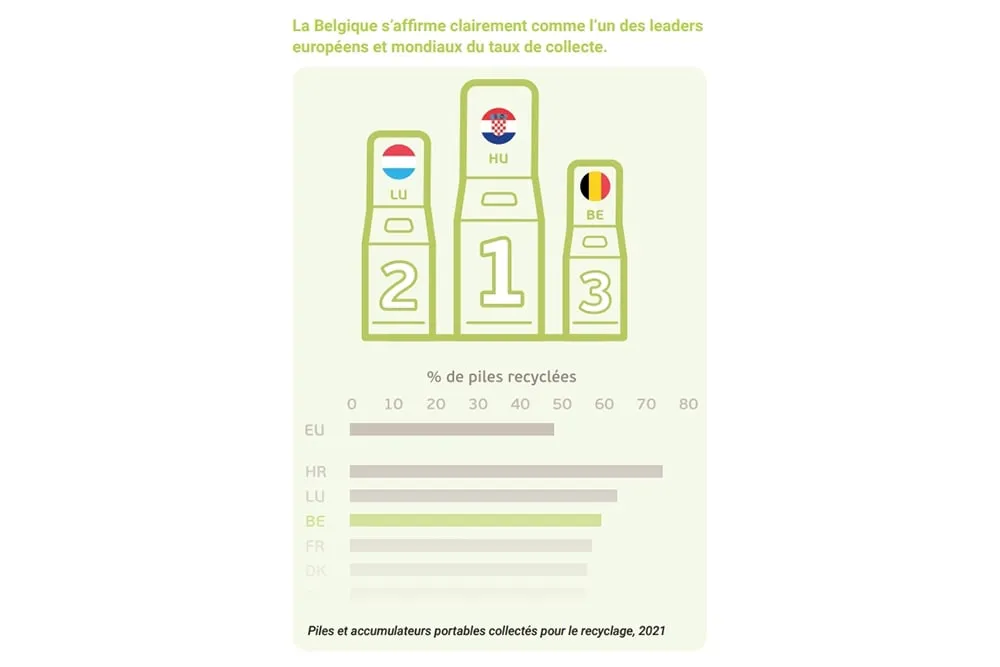
Bebat fine-tunes its strategy and promotes a proactive approach at every level
The obvious starting point for any effective action is to find out where batteries end up at the end of their life. Fatima Boudjaoui explains: “We are working to map the different flows and make them more transparent so that we can implement targeted measures. As part of this proactive approach, we are working to collect batteries wherever they are. For example, we are expanding our collection points at electric bicycle shops and bicycle repair shops.” Reuse is also a major focus, as Fatima Boudjaoui confirms: “Bebat is currently testing ways to give lithium-ion battery cells a second life without going through the recycling stage. This requires all our expertise in dismantling, storage, transport and safety. Our long-term goal is to support Belgian companies and start-ups in manufacturing new energy storage batteries. Bebat has already encouraged the emergence of new reuse initiatives. The first projects got under way in 2021. Examples include initiatives to convert bicycle batteries into reusable cells for construction site flashlights, and the reuse of laptop batteries to store energy generated by mobile solar panels.”
More broadly, Bebat also makes recommendations to the entire value chain. These include promoting useful collaboration between public and private players, ensuring a harmonised framework for action that respects regional specificities, strengthening collaboration with organisations responsible for collection and recycling, and supporting these organisations’ autonomy without burdening them with unnecessary red tape.
Een zakelijke vraag aan Bebat asbl? Get in touch
Companies in this story
Keep following this
Get an email when a new story is published. No account needed.
- ThemeCollecting and transporting waste
- SubjectWaste streams
- CompanyBebat asbl