












The loop is closed for our old mattresses
From recycling centres to materials recovery
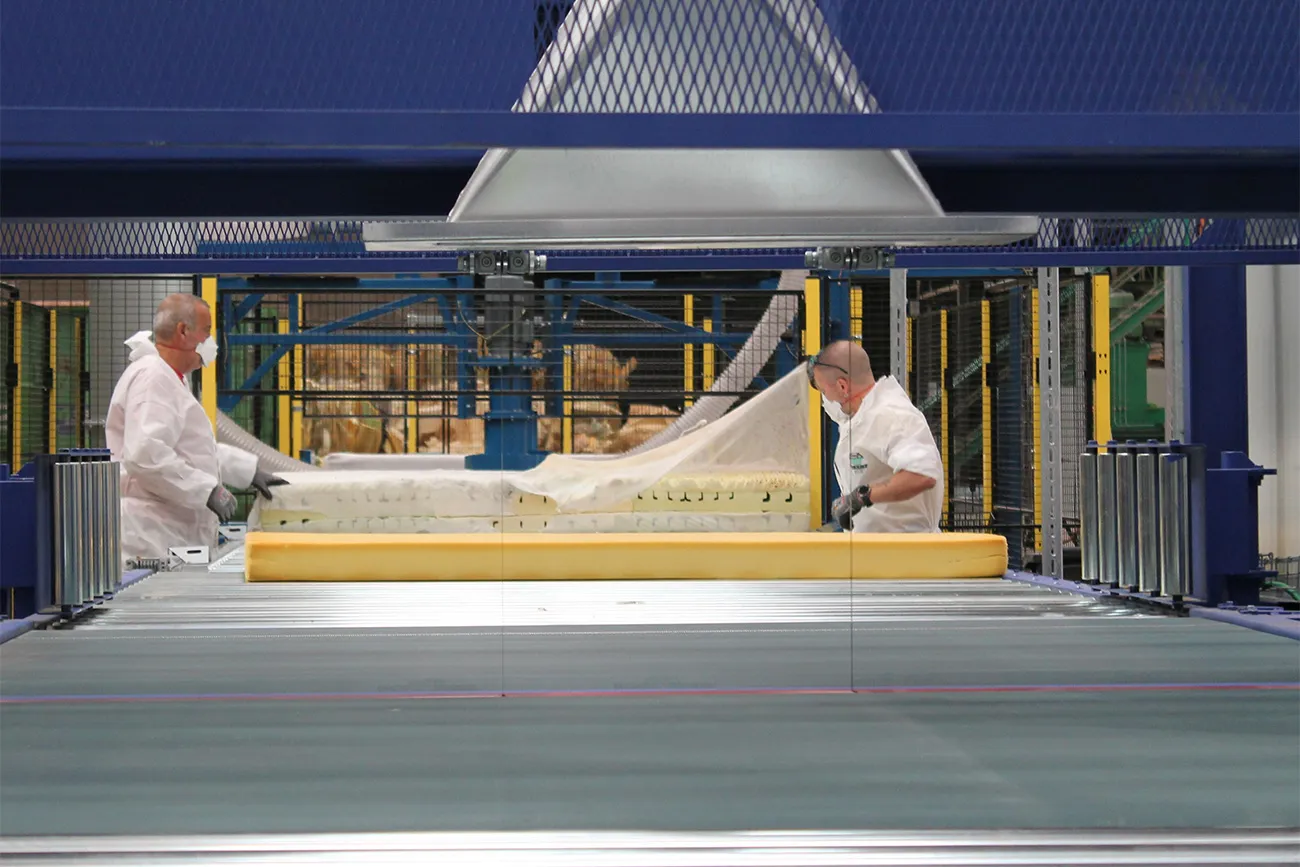
In anticipation of the introduction of a mattress recycling obligation, environmental services company Veolia and Recyc-Matelas Europe (RME) had already positioned themselves in the recovery of used mattresses by setting up their Recyc Mattress Belgium facility in Sombreffe in 2015. After years of research and development, this unique dismantling operation in Belgium has been using an ergonomic automated sorting unit for almost a year, with capacity to process up to 500 000 mattresses a year, or 50% of the annual volume of used mattresses in Belgium. After processing, the recovery rate reaches 90% of the raw materials.
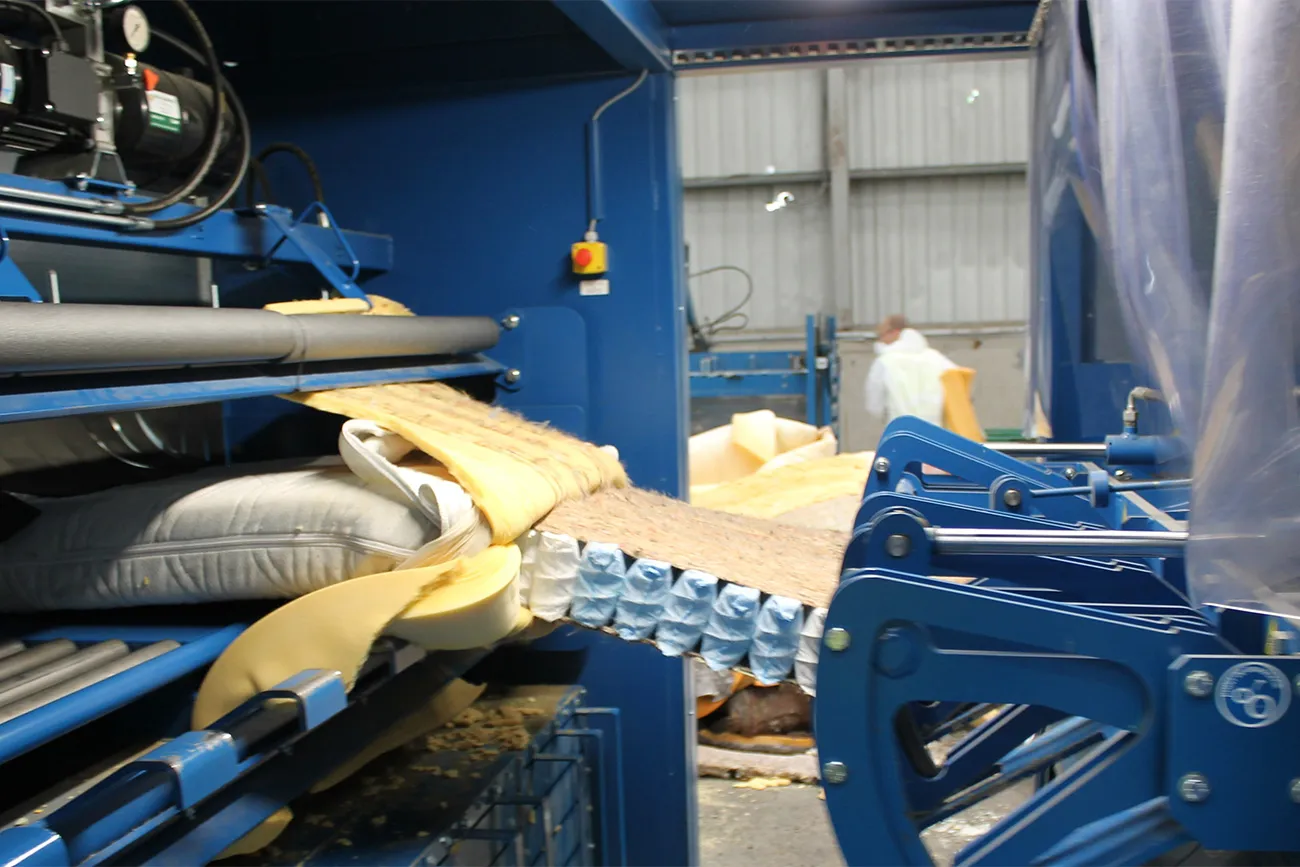
Year in, year out, based on an average lifespan of ten years, an estimated one million used mattresses end up at Belgian recycling centres each year. As recently as a year ago, mattresses were still being dismantled manually in Sombreffe, giving a recycling capacity of
70 000 mattresses a year. The operation was therefore still a long way from meeting the need.
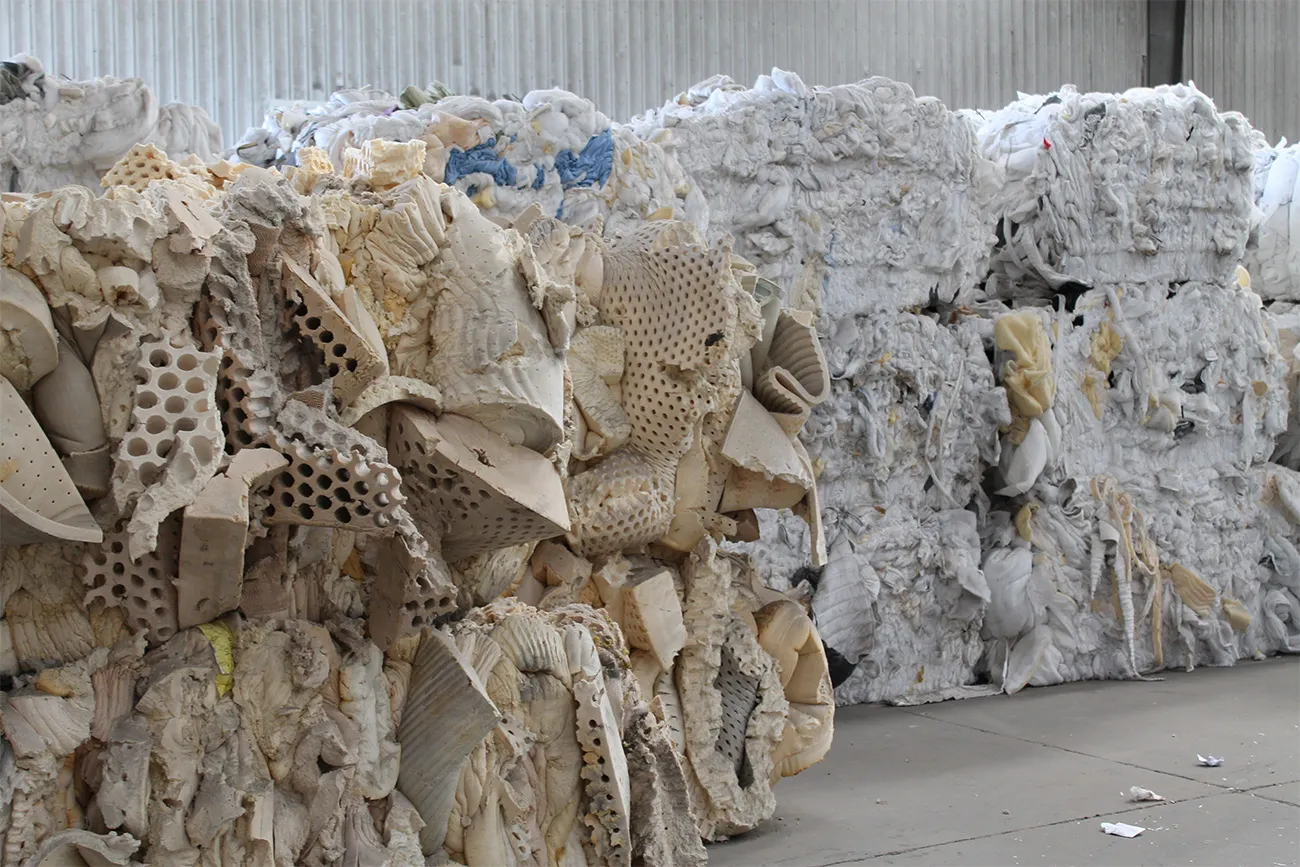
Philippe Tychon, COO of Veolia Belux, outlines the challenge: « In the face of the challenges of the circular economy and current dependence on raw materials from abroad, manufacturers need to adopt a truly proactive approach, be ready to put comprehensive sorting and reuse strategies in place, build expertise and develop efficient techniques, without waiting for legislation to be introduced. We need to seek out short, local supply chains. » In the specific case of used mattresses, it is entirely possible to reuse the metal, foam, latex, covers and textiles, whether for acoustic insulation, car seat manufacturing or the thermal insulation of buildings.
The complete recycling solution in Sombreffe
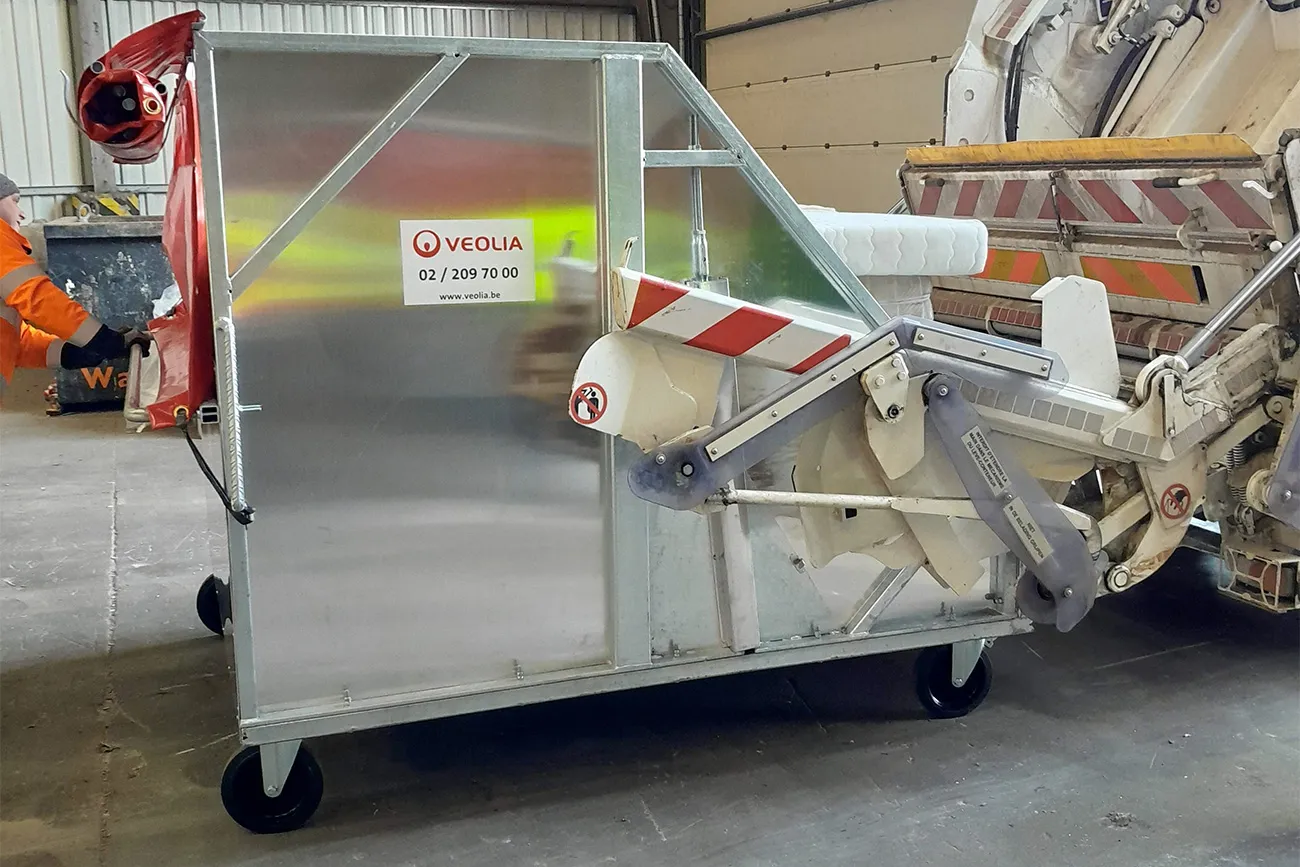
Philippe Tychon explains the new automated line at the Recyc Mattress Belgium recovery facility on the VEOLIA site in Sombreffe: « RME had two more or less similar processing lines in France. But as mattress dimensions in Belgium are slightly different, the machinery had to be adjusted in particular. Extensive testing was also carried out to check that everything met the objectives. Staff still oversee the automated process, but the work is now more ergonomic, with work at height preferred over work at floor level. Particular attention was also paid to the sophisticated dust treatment system. But of course, the entire supply chain needs to be considered, including storage, for example. Once collected, used mattresses need to be protected from the weather to ensure they can be reused. That is why we designed, tested and patented a new type of container: boxes measuring 2.40 m by 2.50 m, which can hold 10 to 20 mattresses, are covered with a tarpaulin to prevent damp and dirt, and fitted with wheels to make them flexible and mobile in use. We are the first to offer this service. The first models left the factory in autumn 2022 and, ultimately, the aim is to install around 2000 with the various recycling stakeholders in Belgium, including, of course, recycling centres, hotels and so on. ».
The future
Since January 2023, an obligation to take back used mattresses has been in force in Wallonia. Mattresses can be returned voluntarily to shops or collected separately at recycling centres, with clearly defined targets for collection volumes and minimum reuse and recycling rates in the short and medium term. « The momentum is building gradually. Our Sombreffe site processes the equivalent of 70% of the Walloon market and around 35 to 40% of the Flemish market. It is worth noting that the take-back obligation has been in force in Flanders since 2022. An important next step is to rethink the ecodesign of mattresses to make sorting, recycling and reuse easier, and ultimately achieve 100% recovery of raw materials. Efforts should also be focused on certifying materials approved for reuse, thereby encouraging the acceptance of recycled materials as raw materials in their own right », says Philippe Tychon in conclusion.
Question about this story? Ask your question
Keep following this
Get an email when a new story is published. No account needed.
- SubjectNews







