












The highs and lows at every link in the circular economy
Recycling plays a central role in a circular economy, ensuring that products and their components remain useful. This is only possible if reuse is considered at different stages of a product’s life cycle. Belgium has many good examples of circularity: product designers who focus on ecodesign, companies that make products from recycled materials, and initiatives that encourage the separate collection of different types of waste. But for every good example, there are also plenty of failures. Worldwide, billions of tonnes of new products that cannot be recycled, are not made using separately collected materials and are not separately collected themselves continue to reach the market every year. This section showcases some outstanding achievements at every link in the circular economy, along with some challenges, or, in other words, the highs and lows.
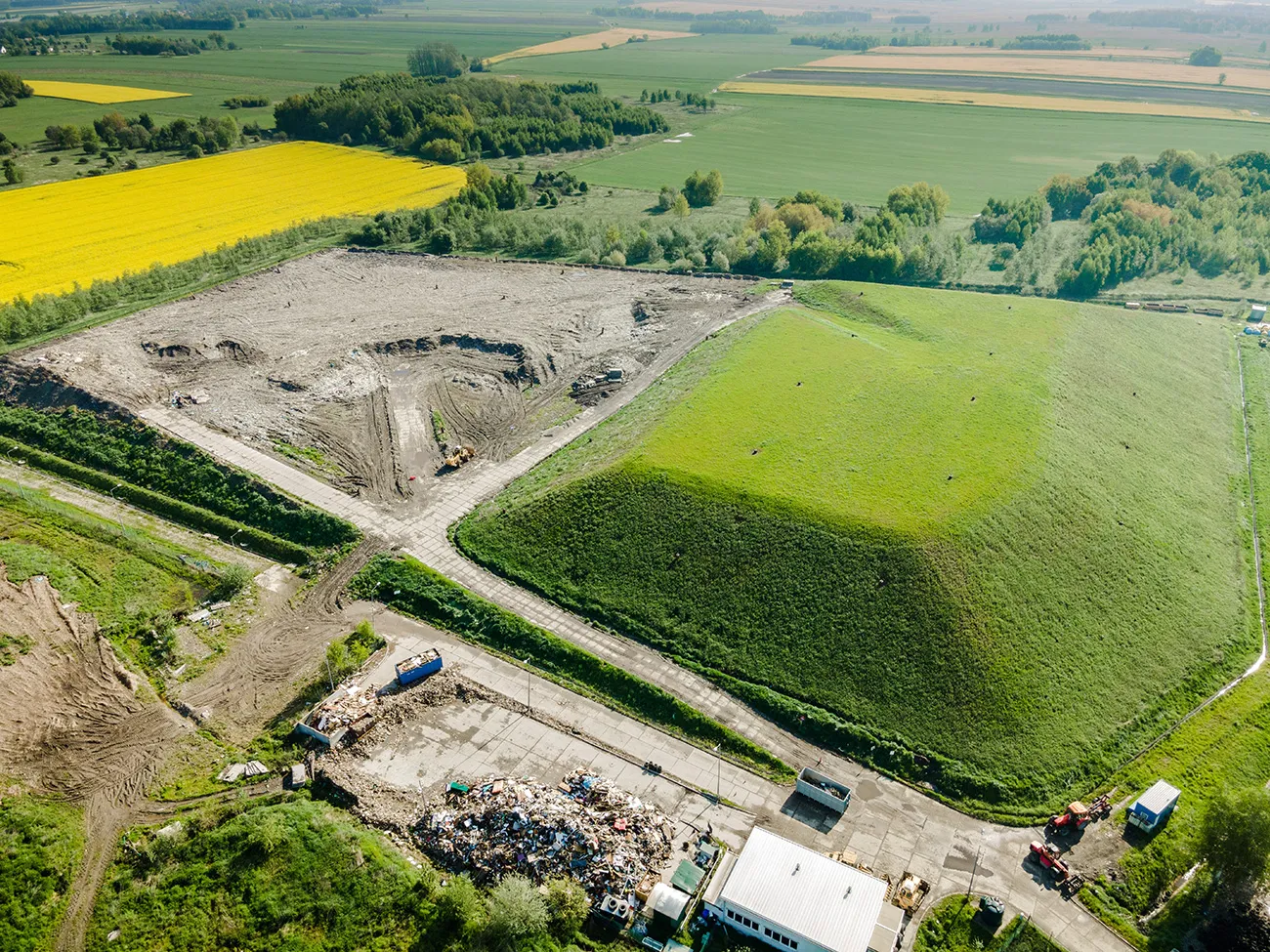
High: making better use of landfills
Products that cannot be recycled today may be recyclable tomorrow. By storing them in landfills, they are not lost and may eventually serve as raw materials for new products. What’s more, gases produced in landfills can be converted into energy.
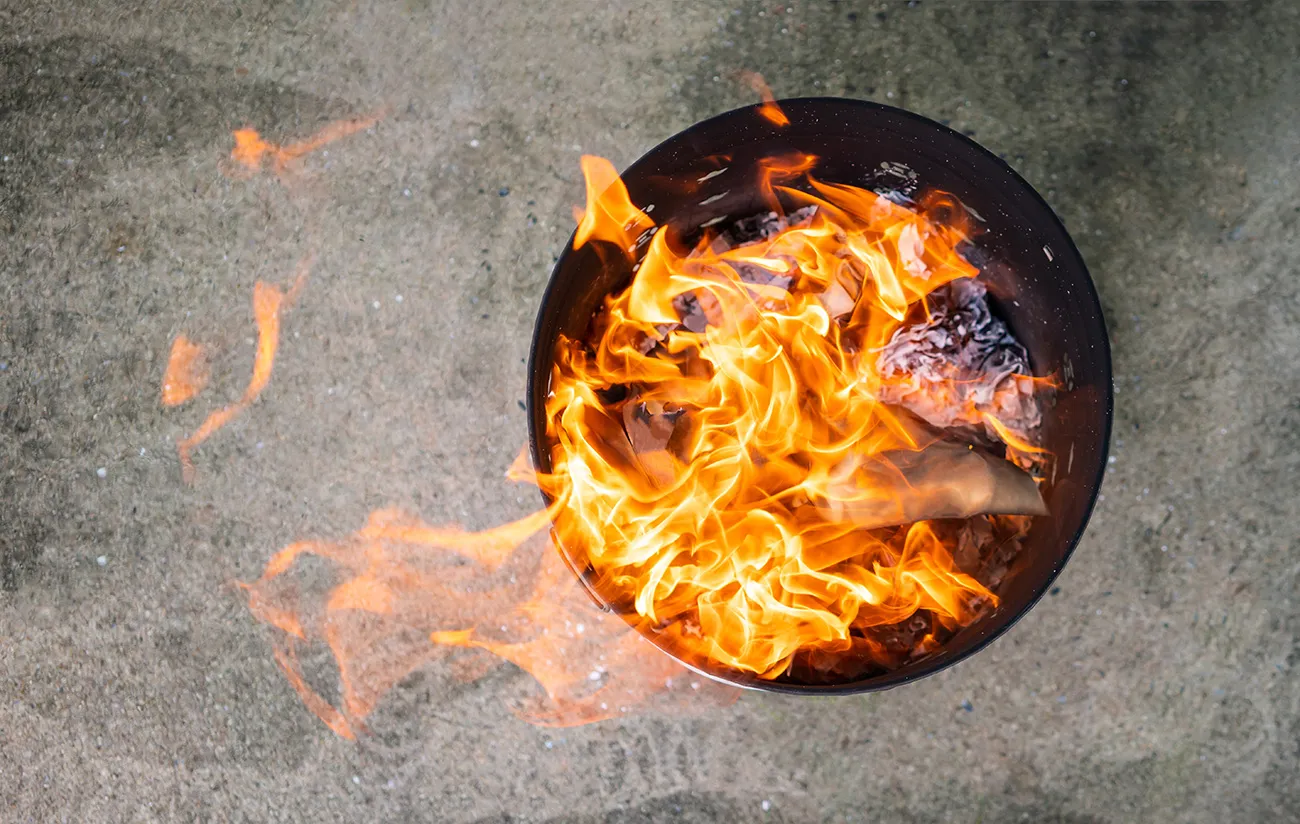
Low: illegal waste burning
Some companies and individuals still choose to burn their own waste. This is not only dangerous and harmful to health, but also inefficient. It deprives waste of its potential use as a raw material or energy source.
Question about this story? Ask your question
Keep following this
Get an email when a new story is published. No account needed.
- SubjectNews







