












Recognition of the role of the waste industry
New measures on packaging and packaging waste
FEAD, the European Federation of Waste Management, welcomes the European Commission’s proposal for a regulation on packaging and packaging waste. FEAD says it confirms the role of recycling as a cornerstone of the circular economy.
At the end of November, the European Commission proposed new packaging guidelines. The aim is to tackle the growing mountain of waste, which is an increasing source of frustration for consumers. On average, each European generates 180 kg of packaging waste a year. This material accounts for 40% of the plastic and 50% of the paper used in Europe. Without further measures, Europe estimates that packaging waste will increase by 19% and plastic packaging waste by as much as 46% by 2030. The new directives are based on five pillars:
- Each Member State will be required to reduce its packaging waste per capita by 15% by 2040 (compared with 2018).
- To encourage the reuse and refill of packaging, companies will be required to offer a certain percentage of their products in reusable or refillable packaging. The standardisation of packaging formats and clear labelling of reusable packaging will also be encouraged;
- Unnecessary packaging will be banned wherever possible. This includes, for example, single-use food packaging consumed in the hospitality sector and miniature shampoo bottles in hotel rooms;
- Packaging should be almost entirely recyclable by 2030. This will require clear design criteria, mandatory take-back systems (for example, for bottles and aluminium cans) and clear labelling of compostable packaging;
- Producers of plastic packaging will have to meet mandatory recycled content targets.
Strong, binding measures are needed
FEAD supports the European Commission’s ambition and believes the sector needs to be driven forward by strong, binding measures if we are to move towards a truly circular economy. The waste industry is an important part of this cycle, but we need a market with strong demand for recycled products. The proposed measures aim to create this impetus, which can encourage investment in separate collection, sorting and highly innovative recycling processes. They fully recognise our added value as producers of secondary raw materials, which are essential to the packaging industry.
Make use of every available instrument
FEAD considers ambitious collection targets to be crucial and calls for every available instrument to be used to achieve them. Separate collection is a key step towards strengthening environmentally sound waste policy, as it prioritises the creation of new raw materials. FEAD also supports the gradual implementation of targets, giving industry and Member States time to develop the necessary infrastructure. Reuse and recycling go hand in hand in a circular economy. However, FEAD stresses that it is equally important to ensure consistent targets that support past and future efforts. FEAD also considers eco-design measures to be crucial. They are an essential first step at the start of the production process, enabling full recyclability without compromising functionality and durability.
Recognising the contribution to a circular society
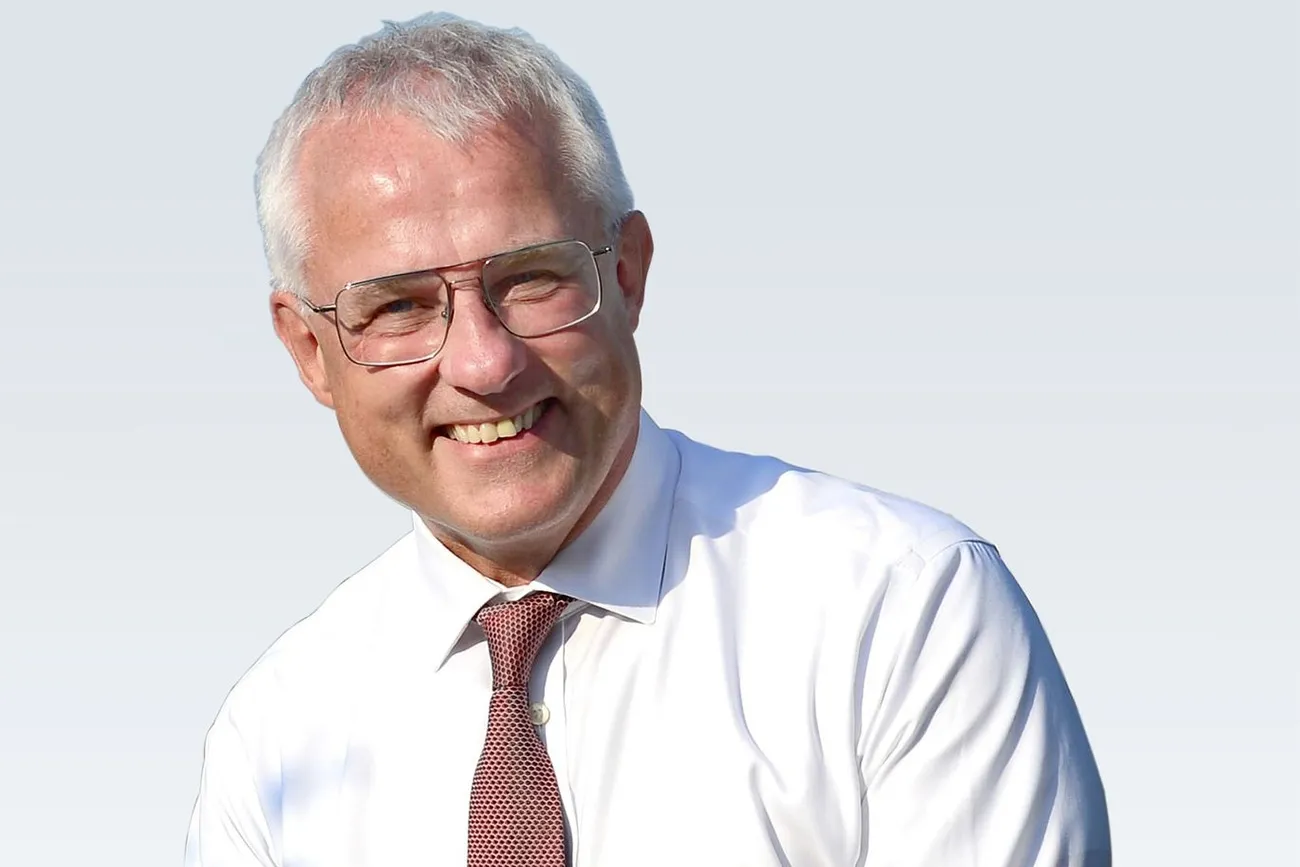
Peter Kurth, President of FEAD: “The measures proposed by the European Commission demonstrate a strong commitment to closing the loop in the packaging sector. This is a strong and welcome signal that echoes the voice of the waste industry, which has been calling for ambitious recycling measures and targets for years. Our role in the entire chain that aims to make the European economy more circular is recognised.”
Question about this story? Ask your question
Keep following this
Get an email when a new story is published. No account needed.
- ThemeOvercoming the plastics crisis
- SubjectNews







