












Non-hazardous PVC medical waste saved from incineration
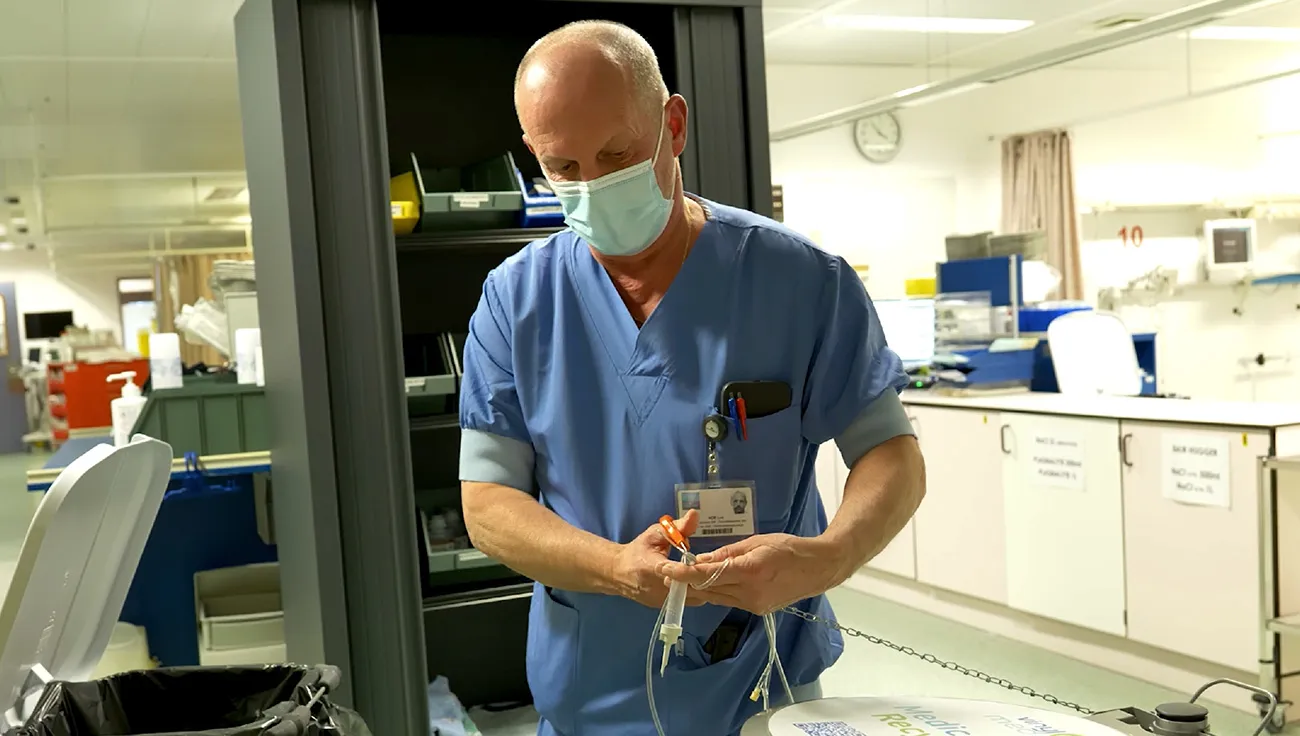
Belgium’s medical sector uses around 3,500 tonnes of PVC each year for medical devices. Unfortunately, this material is incinerated after use. Inspired by numerous initiatives abroad, VinylPlus®, together with its partners Renewi and Raff Plastics, wants to give non-hazardous PVC medical waste a second life.
VinylPlus® represents the European PVC industry’s commitment to tackling challenges and seizing sustainable development opportunities together. The organisation has three objectives: to accelerate the transition to a circular economy, sustainable production and the decarbonisation of the value chain. “PVC is a polymer that can easily be mechanically recycled eight to ten times without losing its performance. This makes it an ideal opportunity to try to close the loop. What’s more, thanks to the material’s properties, medical devices need only have a single layer. This increases the potential for recycling,” explains Inge Dewitte, a consultant working with VinylPlus®.
Pilot project set to demonstrate its potential
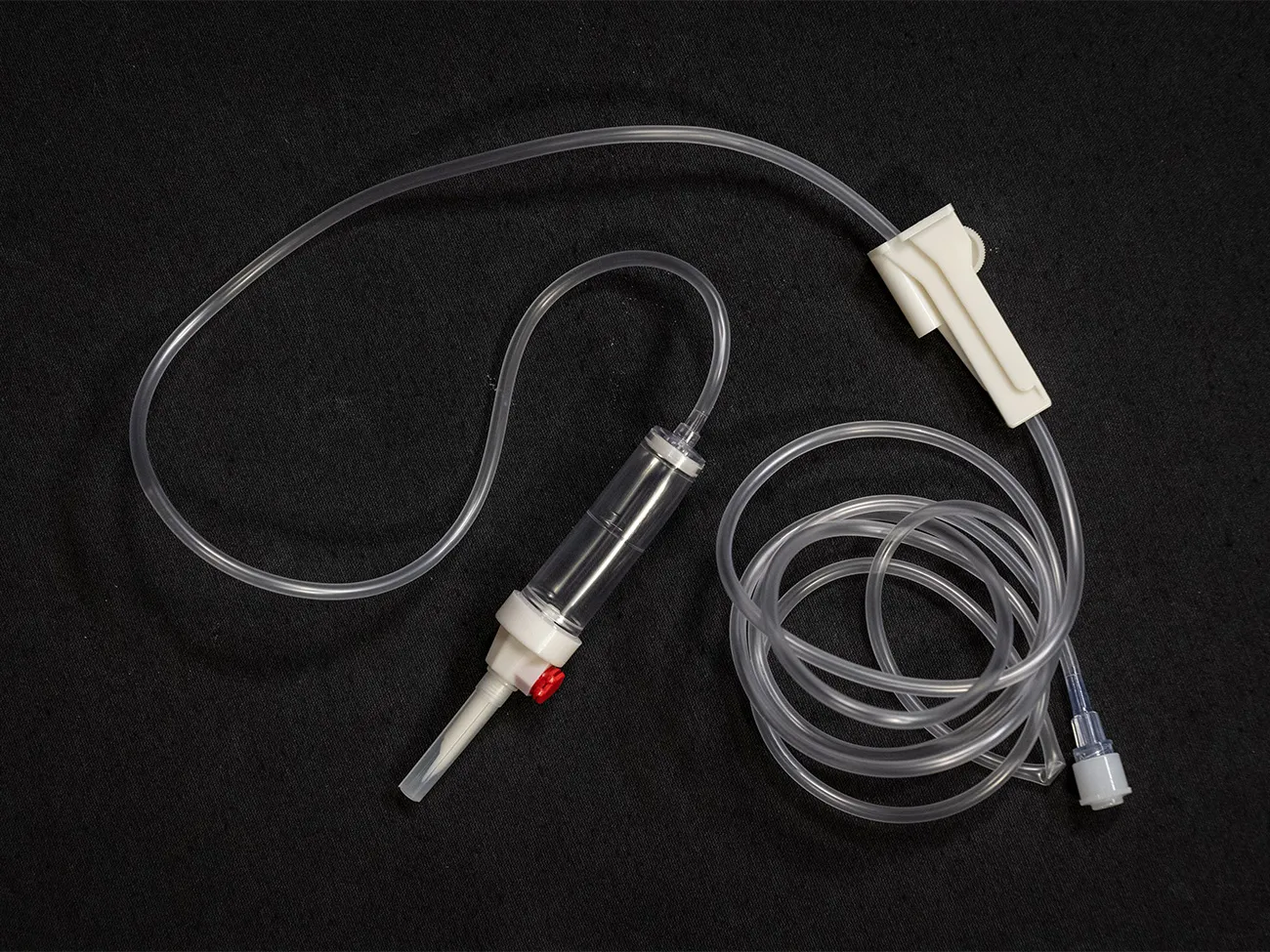
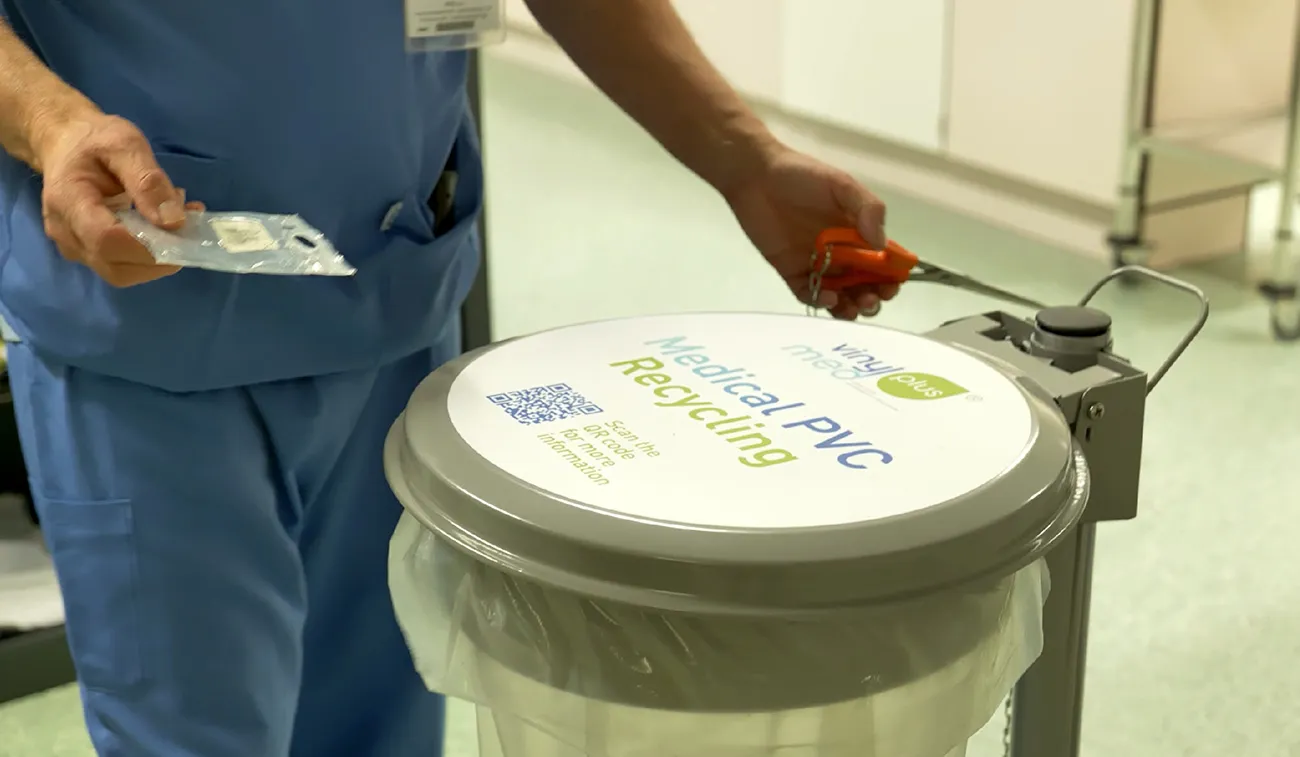
The new VinylPlus® Med project aims to give PVC used in medical applications a second life. “The potential is enormous,” says Vincent Stone, senior director of technical and environmental affairs at VinylPlus. “In Belgium alone, 3,500 tonnes of PVC are used each year for medical devices. These materials are often single-use and are frequently thoughtlessly disposed of with the rest of the hazardous medical waste, then sent for incineration. With Renewi and Raff Plastics, we now want to change that. Through a pilot project in Belgian hospitals, we want to demonstrate that PVC can be collected separately and processed in compliance with REACH, so it can also have a second life in the medical sector.” The project therefore focuses on transparent PVC products that contain no phthalates and are easy to dismantle. These include tubes and hoses, blood and infusion bags, oxygen and anaesthesia masks, nasal oxygen cannulas and more. From now on, these single-use medical products will be placed in specially designed, clearly labelled bins.
All partners within a 120 km radius
Initially, these VinylPlus® Med containers will be placed in operating theatres, emergency departments and maternity wards. Dewitte explains: “A thorough study showed that most of these disposable medical products are used in these departments. Europa Hospital will place around ten bins across these departments at its two sites.” Once full, the bins will be stored at the hospital alongside high-risk medical waste, but in separate containers. “During its collection round, Renewi will then collect both waste streams in a single trip. This means no extra kilometres, which is good for the environment and the project’s viability. In addition, all the project partners are within a 120 km radius. Once Renewi has accumulated a sufficient volume of PVC waste at its Villerot site, it will be sent to Raff Plastics for processing into regrind and granules. These can be used as raw materials for medical applications such as floor and wall coverings, flexible bottles or yoga mats. The strict traceability requirements in the medical sector currently make it impossible to close the loop completely through mechanical recycling. Chemical recycling must then be considered, which brings other challenges,” explains Mr Stone.
Enthusiasm is already high
Although the project is only just getting under way, with initial training for staff on how to identify and dismantle the right products, enthusiasm in the medical sector is already high. Stone says: “Making things more sustainable is a priority for hospitals. They are already looking beyond their energy and water consumption and considering their use of raw materials. Covid19 has brought this issue into even sharper focus. We have already received many requests from across the country to take part in the project. But how are staff responding to all these additional guidelines and actions? “With Europe and local authorities also focusing heavily on sustainability, support for circular thinking is particularly important. This is especially true in hospitals, where many valuable materials are still lost. During demonstrations, staff spontaneously suggested additional products that could be considered for separate collection. This shows that they also care about the issue. Their feedback will be crucial to the project’s success in the coming months. We also want to pass this feedback on to manufacturers so they can make their products more recyclable. Cooperation across the value chain is, after all, the most important factor in closing the loop,” concludes Ms Dewitte.
Question about this story? Ask your question
Keep following this
Get an email when a new story is published. No account needed.
- ThemeOvercoming the plastics crisis
- SubjectNews







