












New thermal cameras detect fires faster
Texte Valérie Couplez | Photos Araani
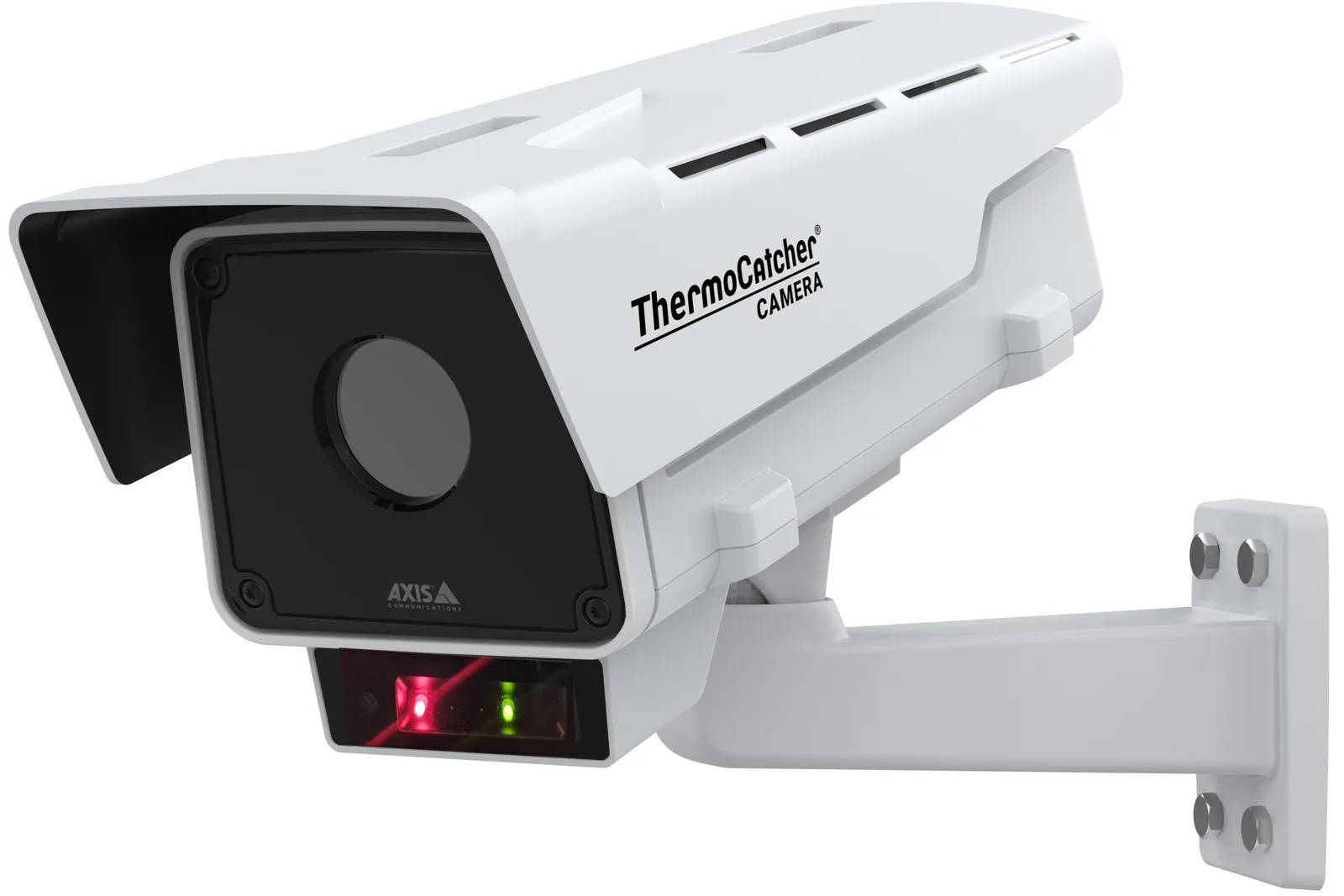
When a fire breaks out, every second counts. Araani knows this only too well. Through intelligent image analysis, FireCatcher cameras have already helped avert disasters at recycling companies. Since June, the company has been showcasing its complementary ThermoCatcher technology. Thermal cameras measure the temperature precisely in defined areas. But Araani would not be Araani if the software developer did not offer a unique, intelligent solution. Features such as hot-spot, flame and anomaly detection identify a fire risk before a fire even breaks out. Those few seconds can often make all the difference.
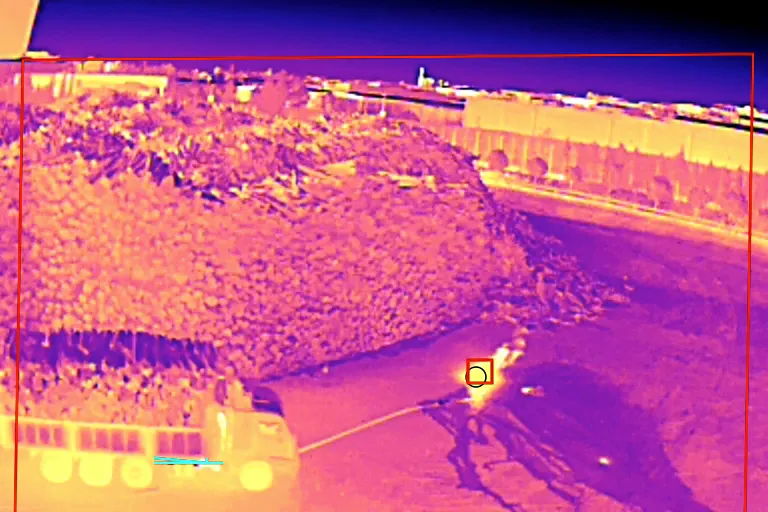
Thermal cameras do not see the world as we perceive it. Instead, they map it according to the heat they detect. This can be displayed graphically or numerically. Araani offers this type of thermal camera for fire detection. Eddy Vermeulen, product manager at Araani: “Our software converts the measured thermal energy into precise temperatures, making it possible to identify risks.” The emissivity of the materials is taken into account. “Thermal energy involves relatively complex thermodynamics. Some materials absorb and reflect more heat than others. Metal, for example, feels colder to the touch than wood. A good understanding of thermodynamics makes it possible to develop thermal cameras that detect the correct temperature.”
EN54-10 certified
For the hardware, Araani chose AXIS cameras running the ThermoCatcher software. “By offering the ThermoCatcher Camera as an integrated system and connecting the camera signals to a fire alarm control panel, we can have the solution certified to the European EN54-10 standard. The process will be completed before the end of the year,” says Eddy Vermeulen.
Stationary and moving objects
What are the ThermoCatcher Cameras’ key features? Eddy Vermeulen outlines three main functions and explains how Araani’s software makes a difference. “Hot-spot detection monitors the absolute temperature of specific objects and any rise in temperature. If, for example, the temperature rises by 10°C very quickly, an alarm is triggered. Users can set the thresholds themselves. We can monitor moving and stationary objects by using multiple zones, up to 25 per camera. A rise in the temperature of a conveyor belt will be flagged as dangerous, but not the temperature of a wheel loader’s engine as it passes nearby. Users receive images to view the situation and see whether it is safe to intervene.”
Flame and anomaly detection
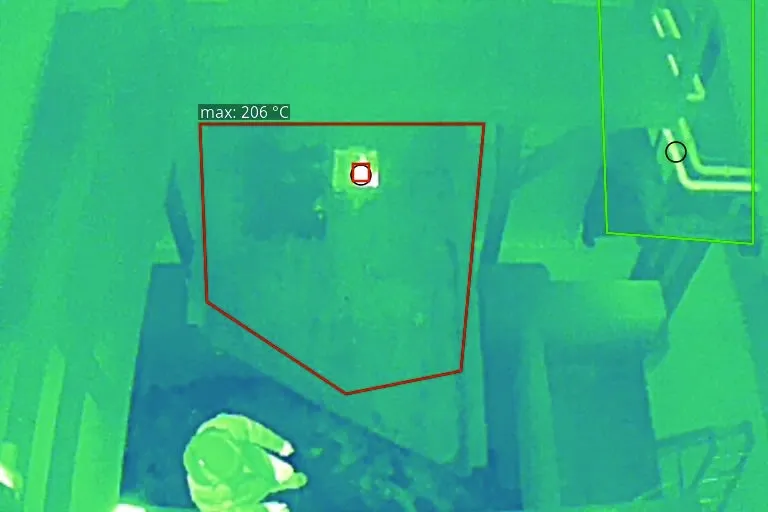
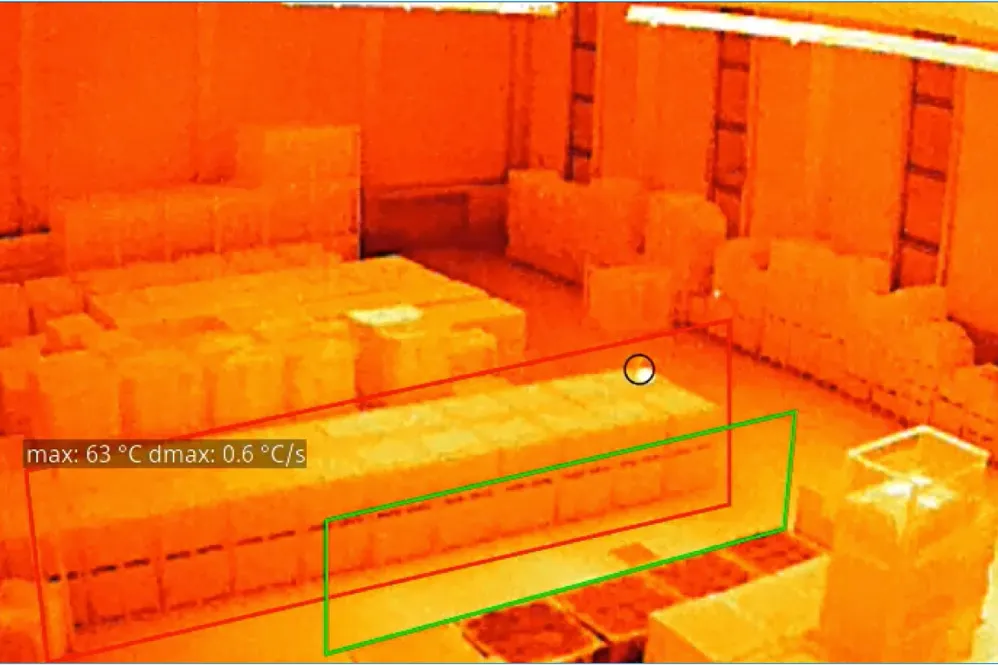
Flame detection is a second feature. “We are truly unique in this field. Our algorithms know how flames behave in terms of temperature, size and physical characteristics. Unlike standard software, we recognise flickering and can therefore prevent false alarms.” Anomaly detection also showcases the intelligence of Araani’s algorithms. “We monitor various similar objects or sites, for example several storage areas at a recycling company. Their temperatures will change throughout the day depending on sunlight, which is perfectly normal. Our software only triggers an alarm if one of the objects reaches an excessively high temperature or heats up faster than the others. This makes it possible to intervene before a fire breaks out. Those few seconds can often make all the difference in limiting the damage,” explains Eddy Vermeulen.
Connected to a fire-fighting monitor
To further limit the impact, ThermoCatcher technology can be connected to FireCatcher, among other systems. “We use the standard Modbus communication protocol. Fire-fighting monitors are a typical application. Using signals from our cameras, they know exactly where to aim. Our cameras also send a signal in the event of a malfunction. If, for example, a lorry blocks their field of view or hits them and knocks them out of their monitoring area, the user receives an error signal. This is also part of the certification.”
Complementary technology
In short, ThermoCatcher technology is a new weapon in the fight against fire. “It has only become available now because thermal cameras have become affordable. It is a complementary addition to our offering,” adds Eddy Vermeulen. The technologies complement one another, particularly in different ambient conditions. “Thermal cameras work in the dark and in the presence of dust or steam. However, they cannot see through materials such as wood. Visual cameras detect smoke and are more effective in those situations. Together with the client, we carry out a risk analysis to determine the most appropriate fire protection for the hazard. And as software specialists, we fine-tune the system: about a month after delivery, we analyse the alarms to optimise the settings.”
Question about this story? Ask your question
Keep following this
Get an email when a new story is published. No account needed.
- ThemePreventing recycling risks
- SubjectNews







