












Meeting the challenges of Li-ion batteries by 2032
Texte Luc Ophals | Photos Bebat
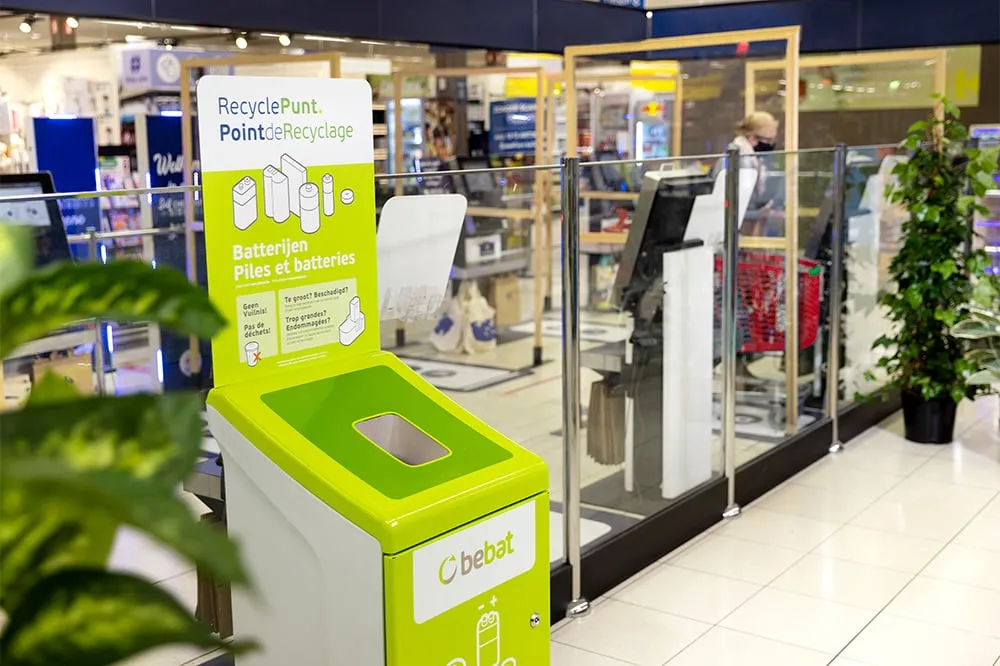
Against the backdrop of the new European Batteries Regulation, which came into force on 18 February 2024, and in view of the current and future growth in lithium-ion batteries, Bebat, the non-profit organisation responsible for collecting batteries in Belgium since its creation in 1995, is fully aware of the challenges ahead by 2032 and has set out its ambitions in its 2024 memorandum. The aim is to support the recycling sector and preserve Belgium’s leading position in Europe by stepping up collection, recycling and reuse efforts, while raising awareness among all stakeholders across the value chain.
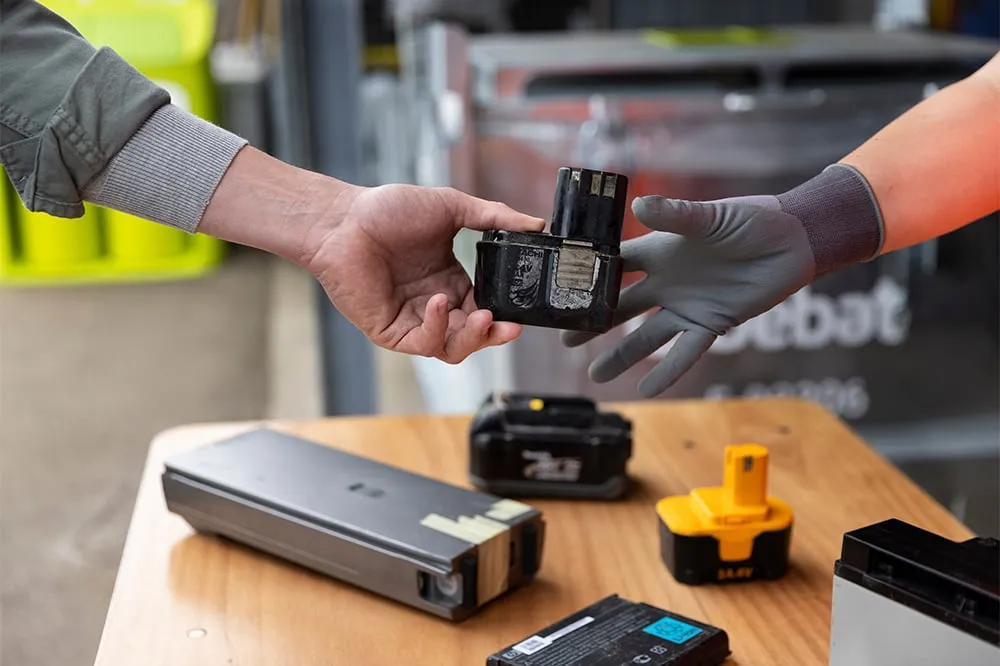
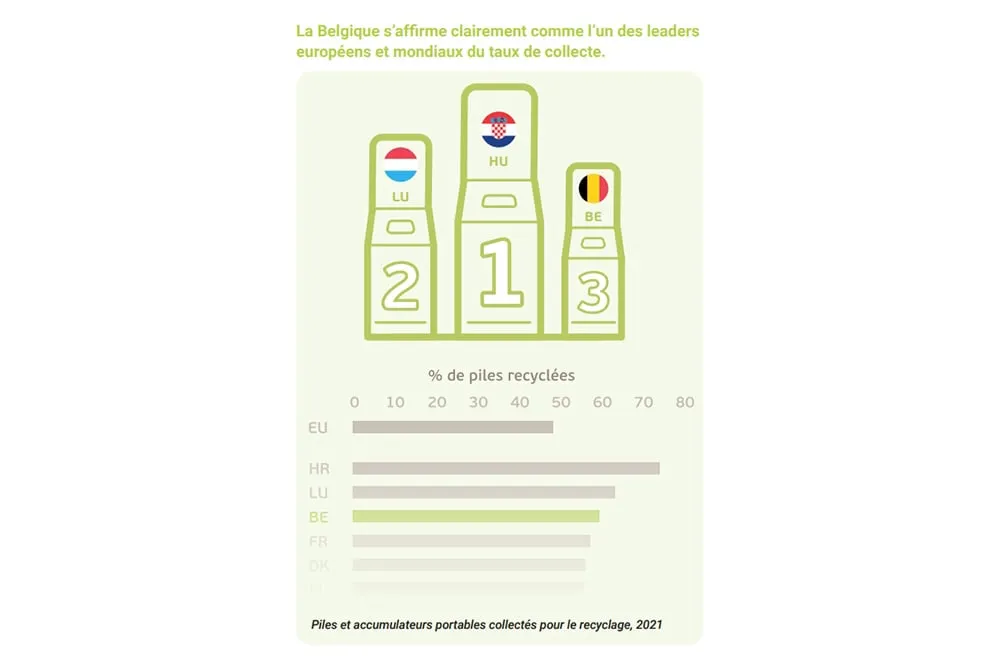
It is important to note that Belgium is among Europe’s top performers in the collection of waste batteries, with an overall collection rate of 59%, well above the European target of 45%. In the 2022 reference year, this amounted to around 3 717 tonnes collected and 24 355 collection points. But we all know that the battery sector is growing rapidly, driven and accelerated by the mass electrification of the vehicle fleet and mobility in general, the rise of the Internet of Things (IoT), the proliferation of electrical energy storage solutions and overall technological progress. “In 2014, lithium-ion batteries (excluding electric vehicles) accounted for 25% by weight of batteries placed on the market, compared with 64% for single-use alkaline batteries. The trend has been reversed since 2020, with lithium-ion batteries accounting for 68% in 2022 and alkaline batteries for just 29%,” says Fatima Boudjaoui, communications manager at Bebat.
Ambitious new European targets point to major challenges
In response to these developments, Europe adopted a new Batteries Regulation on 17 August 2023. The regulation came into force on 18 February 2024 and sets ambitious, phased targets for the five identified battery types. This means rethinking collection practices, which have nonetheless proved effective, in order to capture new types of batteries. “Under this new regulation, Belgium is expected to collect almost seven times as many lithium-ion batteries as it does today. It is something of an unattainable dream,” comments Fatima Boudjaoui.
“According to our forecasts, if current policies remain unchanged, we risk falling behind and failing to meet the new targets after 2028. There are various reasons for this. First, the particular characteristics of Li-ion batteries: their actual lifespan exceeds the three-year period used in the European calculation methodology. Second, 80% of lithium-ion batteries are built into devices, so they have to be removed, which is not always technically feasible today, even for a skilled person. Third, some devices are exported for refurbishment, recycling or dismantling and do not remain in Belgium. Furthermore, the challenge is not limited to collection. It also involves recycling, which means developing the capacity to process the Li-ion batteries that will increasingly reach the end of their life.” explains Fatima Boudjaoui.
Bebat fine-tunes its strategy and promotes a proactive approach at every level
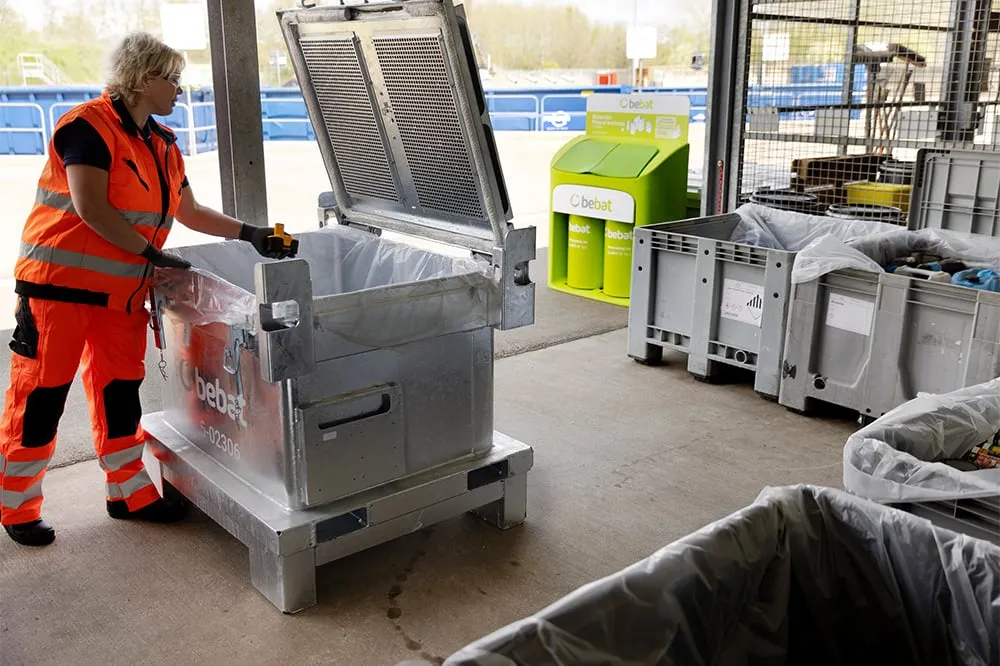
The starting point for any effective action is, of course, knowing where batteries end up at the end of their life. Fatima Boudjaoui explains: “We are working to map the different flows and make them more transparent so that we can implement targeted measures. As part of this proactive approach, we seek out batteries wherever they are. For example, we are increasing the number of collection points at electric bicycle shops and bicycle repairers.” Reuse is also a key priority, as Fatima Boudjaoui confirms: “Bebat is currently testing ways to give Li-ion battery cells a second life without going through the recycling ‘stage’. This requires all our expertise in dismantling, storage, transport and safety. Ultimately, our aim is to support Belgian companies and start-ups in manufacturing new energy storage batteries. Bebat has already encouraged the development of new reuse initiatives. The first projects got under way in 2021. Examples include initiatives to convert bicycle batteries into reusable cells for construction-site flashlights, and the reuse of laptop batteries to store energy generated by mobile solar panels.”
More broadly, Bebat also makes recommendations for the entire value chain. These include fostering all useful collaboration between public and private stakeholders, ensuring a harmonised framework for action that respects regional specificities, stepping up collaboration with organisations responsible for collection and recycling, and promoting their autonomy without burdening them with unnecessary administration.
Een zakelijke vraag aan Bebat asbl? Get in touch
Companies in this story
Keep following this
Get an email when a new story is published. No account needed.
- ThemeCollecting and transporting waste
- SubjectNews
- CompanyBebat asbl







