












From diesel to hybrid electric propulsion
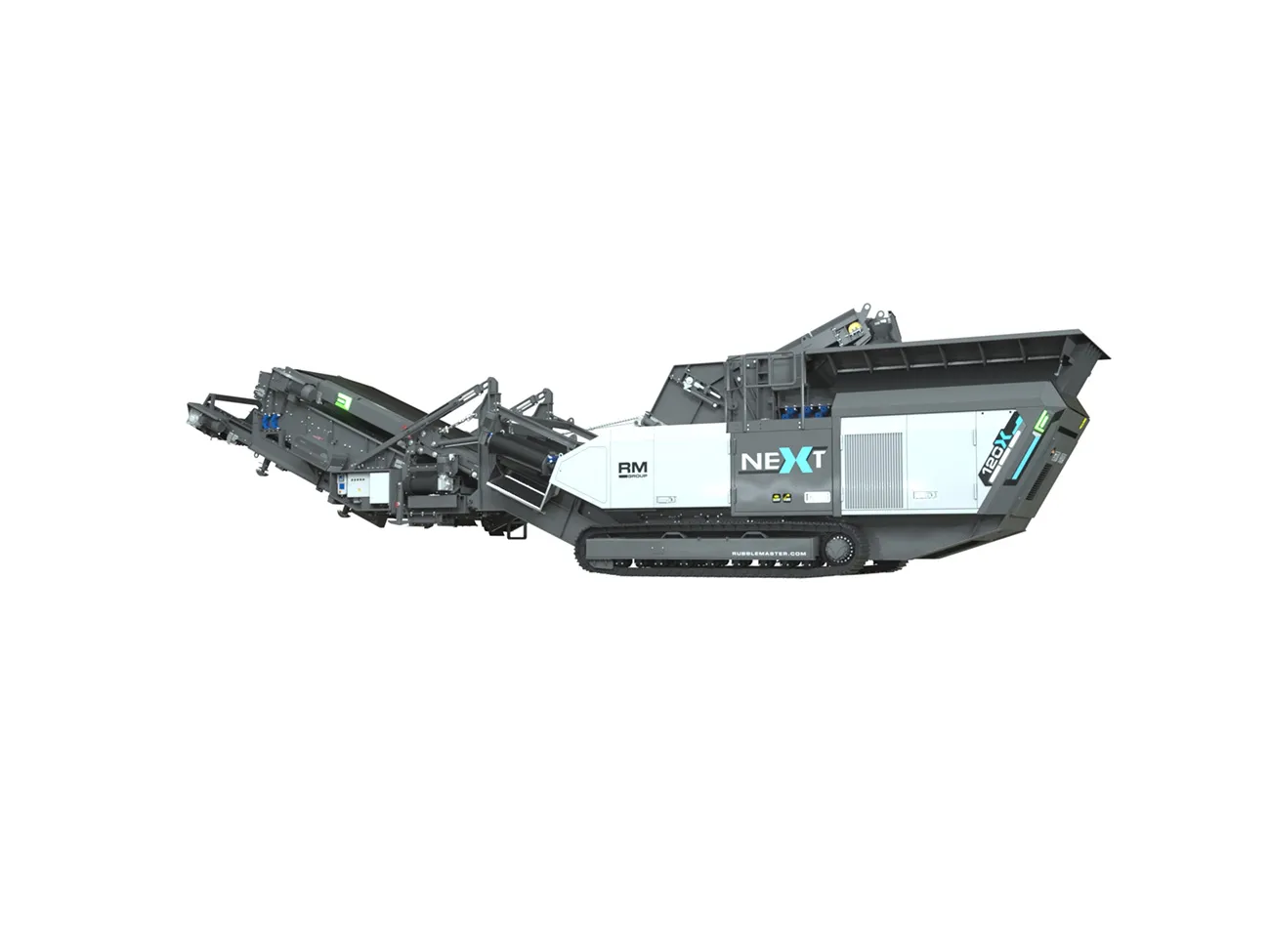
No one can escape the energy transition or the shift towards electrification taking place across society. The popularity of compact mobility options such as e-scooters and e-bikes is proof of this. Electric propulsion is also gaining ground in larger vehicles, such as cars, driven by legislative regulations.
The industry has been working for some time on energy efficiency and sustainable, environmentally friendly solutions. To comply with the permitted limits for fine particulates, we currently use Stage V engines equipped with SCR (selective catalytic reduction) and DOC (diesel oxidation catalyst) systems. These make diesel engines much more efficient, but also more complex and vulnerable to potential breakdowns. Preventive maintenance is an important factor in this respect.
Towards diesel-electric propulsion
Today, diesel-hydraulic or diesel-electric propulsion is an option. In hydraulic propulsion, the engine’s mechanical motion is converted into hydraulic motion (pressure and flow) using a pump connected to the diesel engine. The available hydraulic power is then distributed among the various components, such as the rotor or screen and the conveyor belts. This is an obsolete powertrain, in which, unfortunately, more than half of the initial energy contained in the liquid fuel is lost in the conversion from mechanical to hydraulic motion. Diesel-electric propulsion uses a generator connected to the engine to produce electricity. The electricity is then distributed among the various components, such as a screen, a vibrating feeder or conveyor belts. Much less energy is lost when converting mechanical energy into electrical energy. The rotor is not part of this system, however, as it is connected directly to the engine by a mechanical coupling. This is the most direct and therefore most energy-efficient solution for the crusher’s largest energy consumer, the rotor. Diesel-electric propulsion is generally considered the most energy-efficient powertrain, offering significant benefits including lower fuel consumption and less maintenance thanks to the absence of a hydraulic system…
Towards electric-electric propulsion
Since the diesel-electric version alone will not be enough to meet future requirements, new powertrains for mobile crushers and screens are already being developed and brought to market. In the near future, hybrid diesel-electric and electric-electric propulsion systems are set to work together. By providing an additional power supply line, it is also possible to connect the largest mobile crushers and screens to the mains. This will bring many benefits in terms of energy consumption, as well as maintenance costs (less maintenance on the diesel engine), noise (no longer having to run the engine or hydraulic coolers continuously) and overall operating costs. Hybrid power is an important step towards making the recycling machinery fleet more sustainable. Ask your supplier which machines in your fleet could benefit from electrification.
Een zakelijke vraag aan Van der Spek NV? Get in touch
Companies in this story
Keep following this
Get an email when a new story is published. No account needed.
- SubjectNews
- CompanyVan der Spek NV







