












From coal storage yard to sustainable plastics sorting
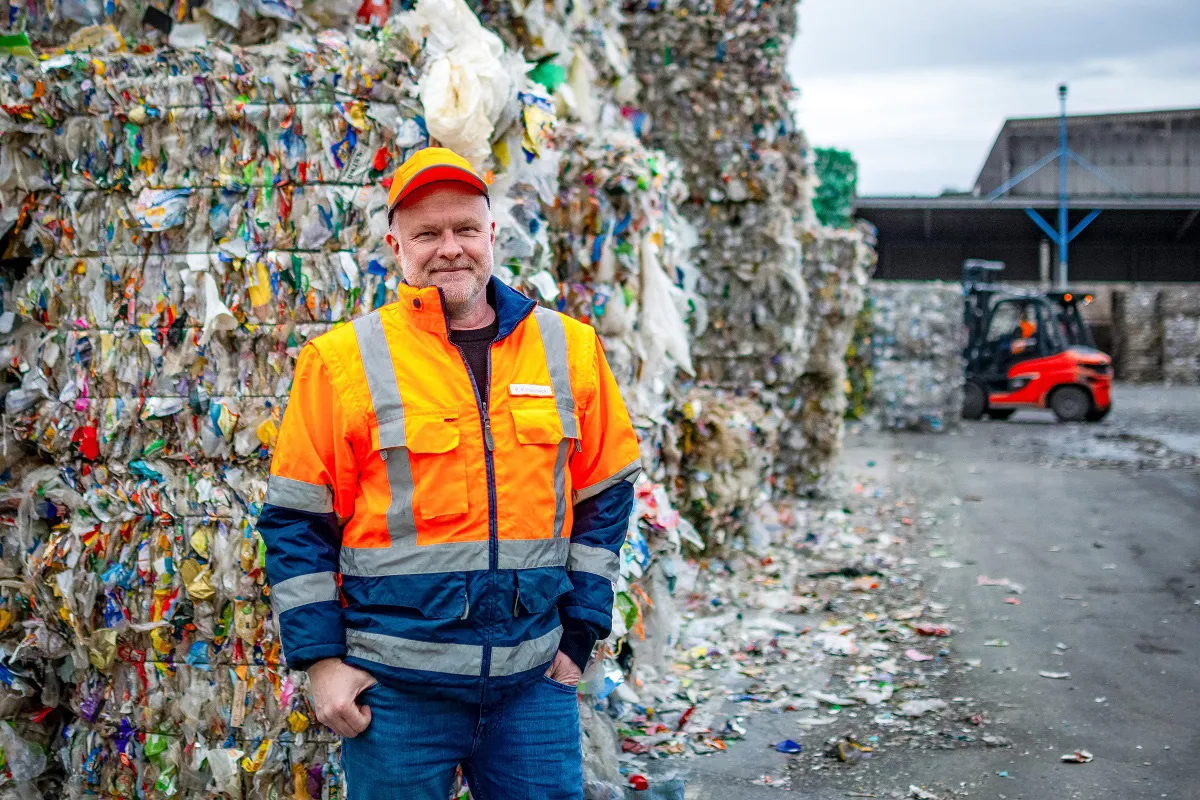
At its Beckum site in Germany, waste disposal and treatment specialist Umweltdienste Kedenburg produces secondary raw materials from plastic films, using STEINERT sorting technology
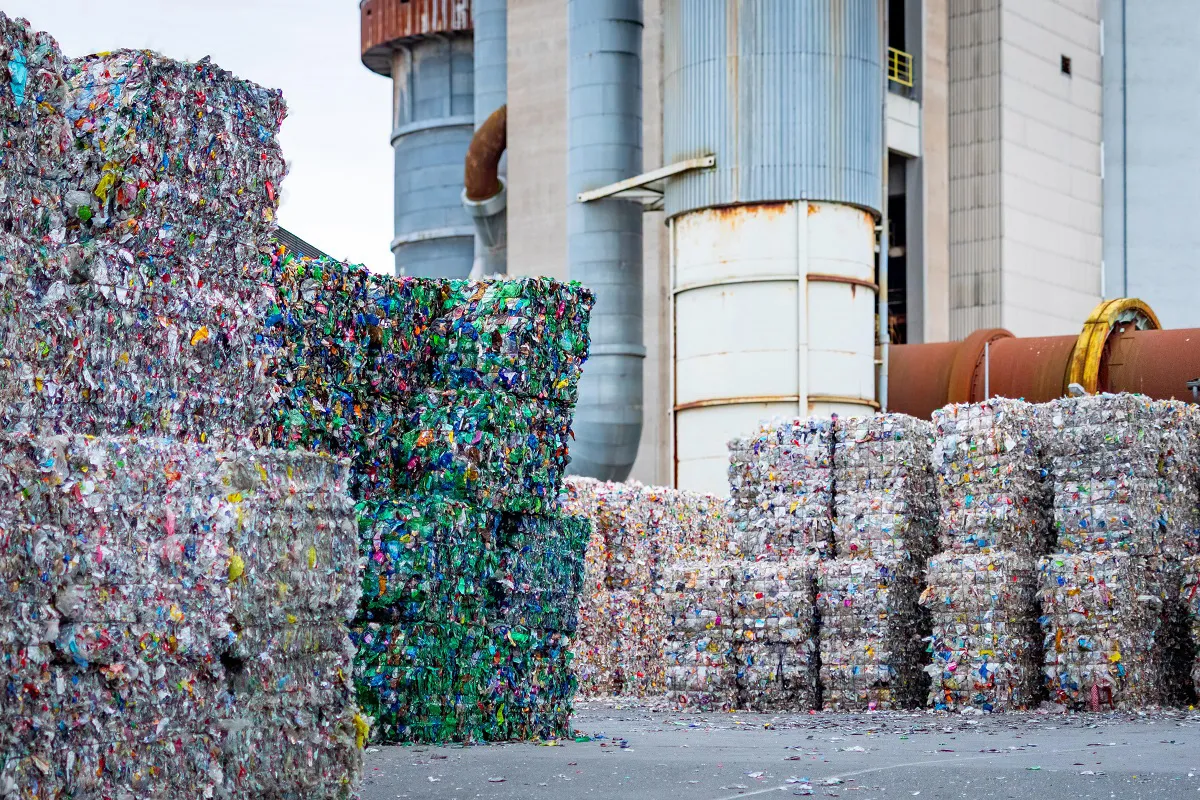
Just ten years ago, Umweltdienste Kedenburg took over the brownfield site in Beckum. Once used for cement production and later for coal storage, the site now houses production of recycled plastics, showing how the circular economy can transform historic industrial sites. For Klaus Kuhlenbeck, Technical Director of the plant, the project is an investment in the circular economy: “Our goal is clear: we ensure that plastic films are sorted and prepared to such a high standard that they can be turned into new products.
From waste to high-quality products
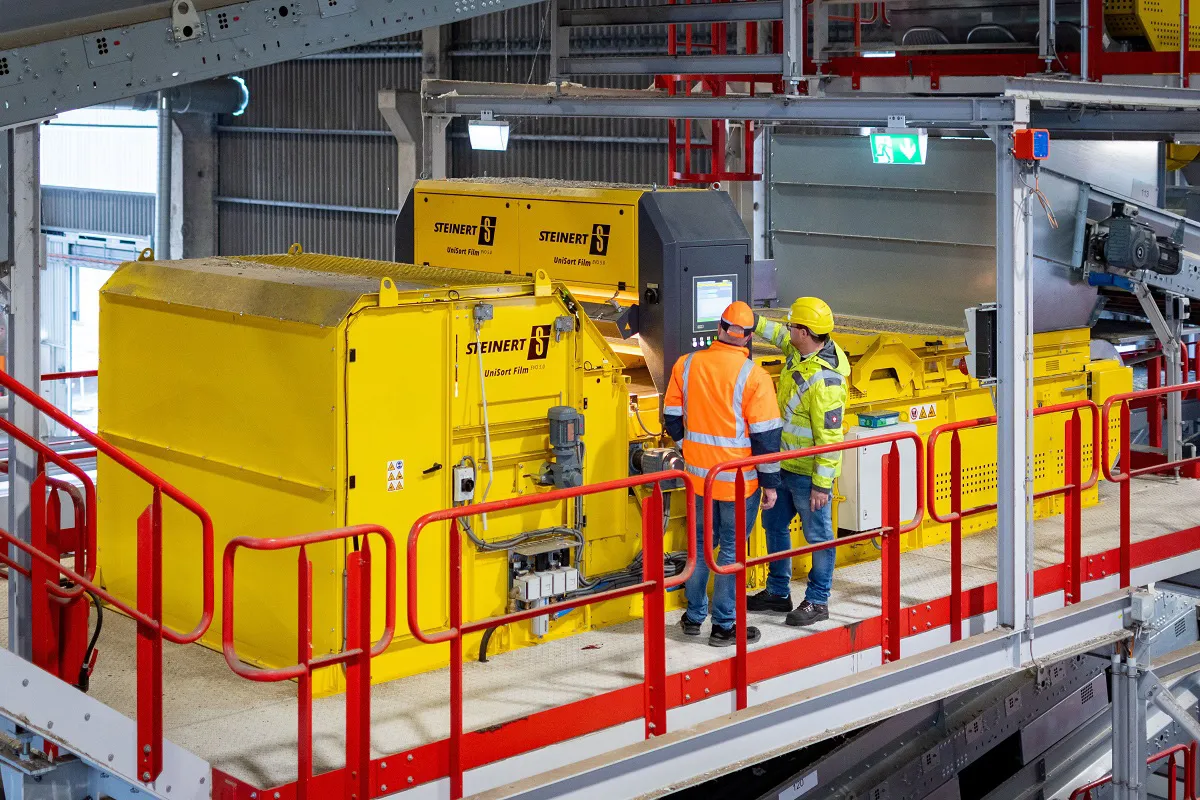
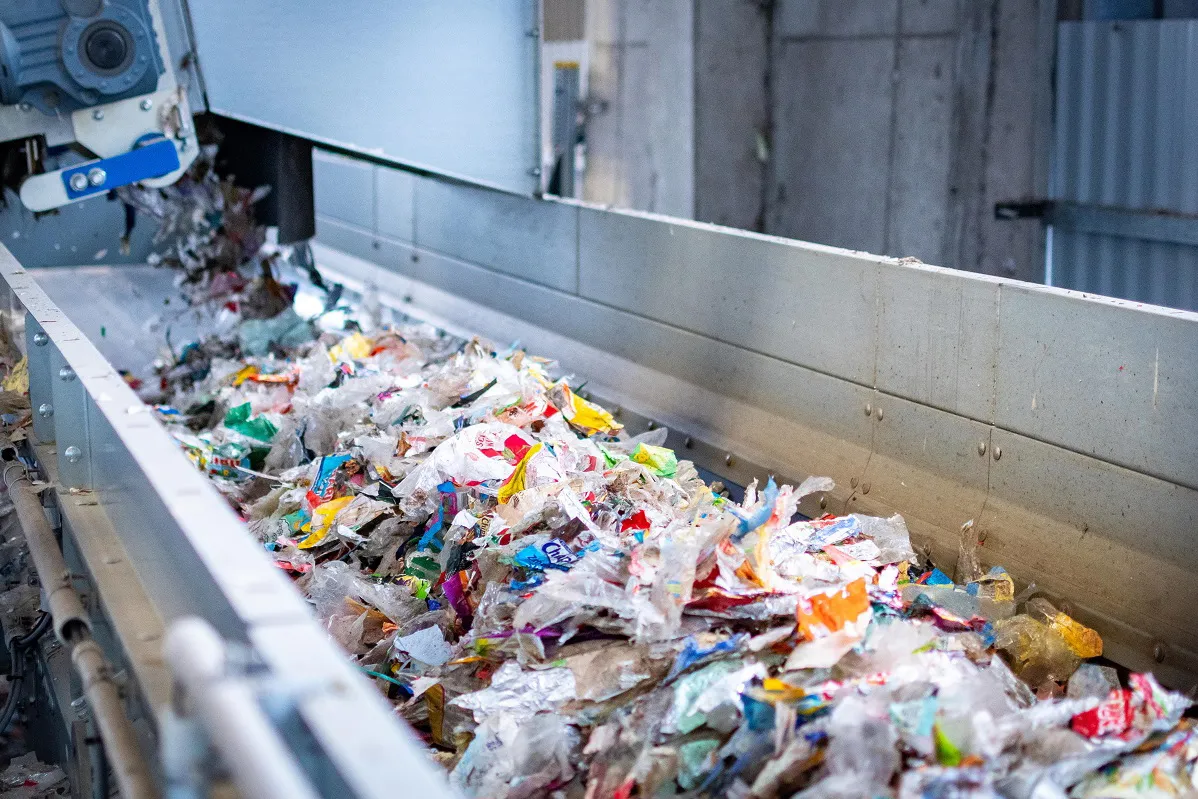
In collaboration with Otto Graf GmbH, a state-of-the-art sorting plant was built to process films from mixed lightweight packaging. Around two-thirds of the input material is polypropylene (PP) film, with the rest comprising polyethylene (PE) or a polyolefin (PO) mix. Most of the material is pre-sorted and comes from lightweight packaging recycling plants across Europe, from Austria to Norway.
Precision technology is key to success
The two STEINERT UniSort Film EVO 5.0 units form the backbone of the new plant. These machines use a dedicated airflow system precisely synchronised with the conveyor speed. “We were particularly impressed by the directed, stabilised airflow,” explains Kuhlenbeck. “It keeps even lightweight, flexible films stable on the conveyor. The airflow also extends into the ejection chamber, so the material hardly swirls at all after ejection. The UniSort Film is currently the most advanced solution on the market that can meet our requirements.”
This precise material handling allows a belt speed of 4.5 m/s. It is essential for achieving high throughput and cost-effective sorting of bulky 2D materials. Plastic films in particular do not overlap or turn over. Only then can the combined sensor system, comprising a near-infrared (NIR) sensor and a colour camera, work to its full potential. This precise data capture is a prerequisite for reliably achieving the target purity of 98 per cent for PP films.
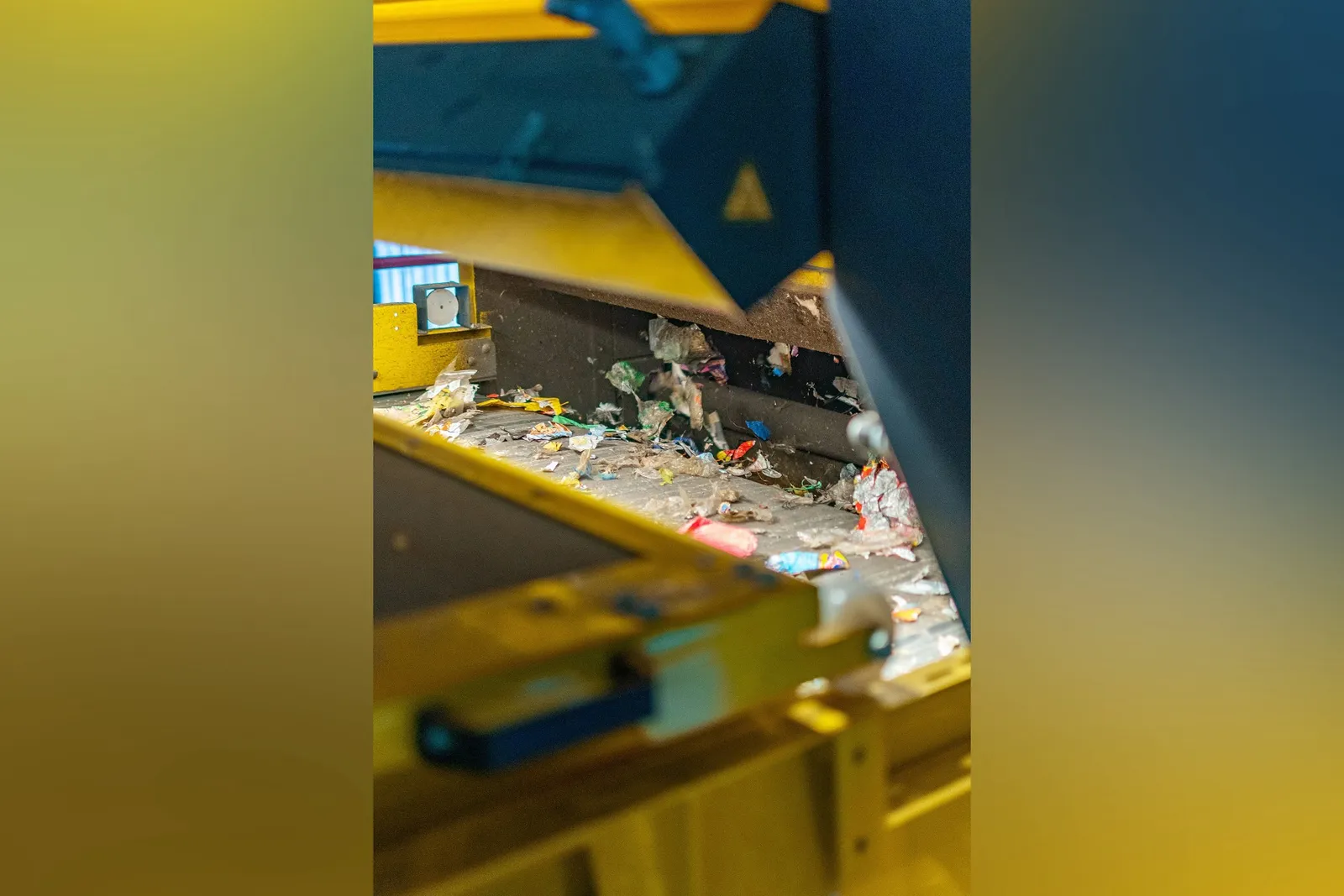
Pure plastic film becomes a secondary raw material
After sorting comes agglomeration, in which heat and friction compress the films into easy-to-handle granules. These intermediate products are then further cleaned of even the smallest ferrous and non-ferrous particles using the STEINERT MOH combined magnetic separator with EddyC FINES. The plastic agglomerates are then sent directly to GRAF, where they are used to manufacture sustainable products such as rainwater storage tanks. Customers therefore benefit from products that are not only sustainable, but also meet uncompromising quality standards equivalent to those of virgin products.
Flexibility to meet future challenges
Klaus Kuhlenbeck emphasises how important it was to him to invest for the future: “Our plant is deliberately designed to allow us to respond flexibly to changing requirements. We know that packaging materials are constantly changing. By combining NIR and colour sensors, we can adapt to future developments.”
For Kuhlenbeck, the answer is clear: “A plant is never really finished. We regularly face new challenges, such as composite materials, which remain difficult to sort, or aluminium-metallised films, which can affect the end product if they are not detected.” This is precisely why he stresses the importance of dialogue throughout the value chain: “For decades, everyone worked in their own silo. It is only now that we are really talking to one another. This allows us to improve recycling together, create better packaging and advance the circular economy.”
Trials inspire confidence, sustainability as the goal
Collaboration with STEINERT began at the company’s test centre at its main site near Cologne. The first steps towards the project’s success were taken there in 2023. “From the outset, STEINERT’s machines performed exactly as expected. I have never seen anything like it. This is exactly the reliability we need for our vision of sustainable plastics recycling,” says Kuhlenbeck. With the new plant in Beckum, a site that once housed a CO₂ emitter is becoming a sustainability pioneer. Every kilogram of plastic returned to the loop enables Umweltdienste Kedenburg to play an active role in protecting the climate, reducing CO₂ emissions and conserving natural resources. For a World of Infinite Resources
Question about this story? Ask your question
Keep following this
Get an email when a new story is published. No account needed.
- ThemeOvercoming the plastics crisis
- SubjectNews







