












European waste recycling targets are on track
Texte Valérie Couplez | Photos iStock
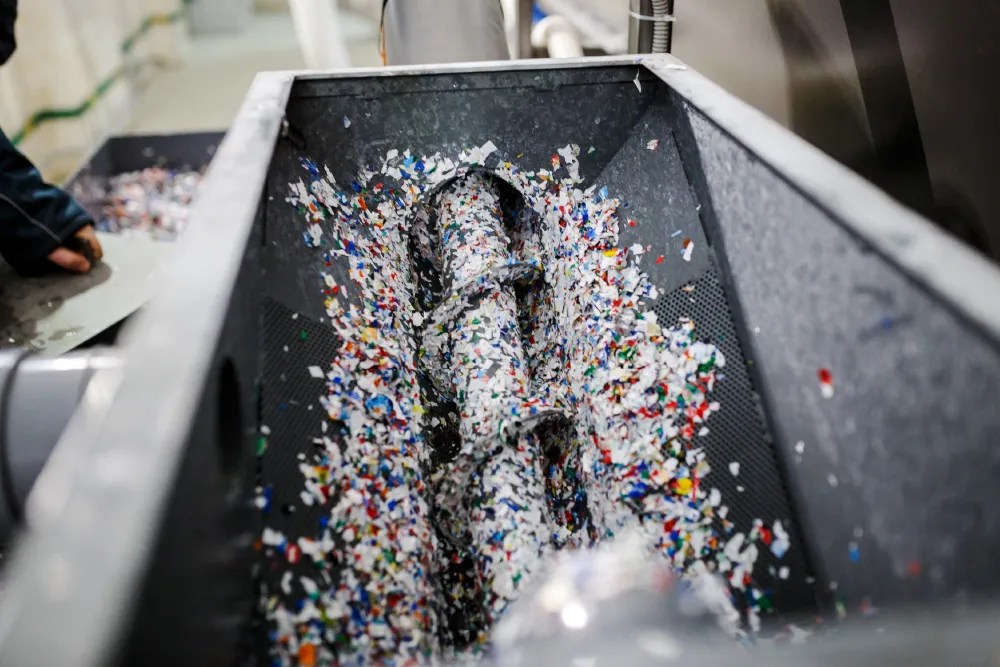
Positive mid-term review for Belgium and the Netherlands
Turning waste into raw materials. This will be key to the transition to a cleaner, climate-neutral and circular economy. Reuse and recycling create local jobs, drive innovation, reduce pressure on natural resources and dependence on imported raw materials. The main legislation in this area is the European Waste Framework Directive. It now provides for a mid-term review to check whether Member States are on track to meet the targets set for 2025. Belgium and the Netherlands are among the eight countries that are on track.
Last summer, the European Commission published a report on Member States’ progress towards the 2025 target for the reuse and recycling of municipal waste, the packaging waste recycling targets, also for 2025, and the target to reduce the landfilling of municipal waste by 2035. Think of it as an early warning system to identify areas that need attention and keep things on track. Meeting these targets is essential for the proper functioning of markets for recycled materials in Europe.
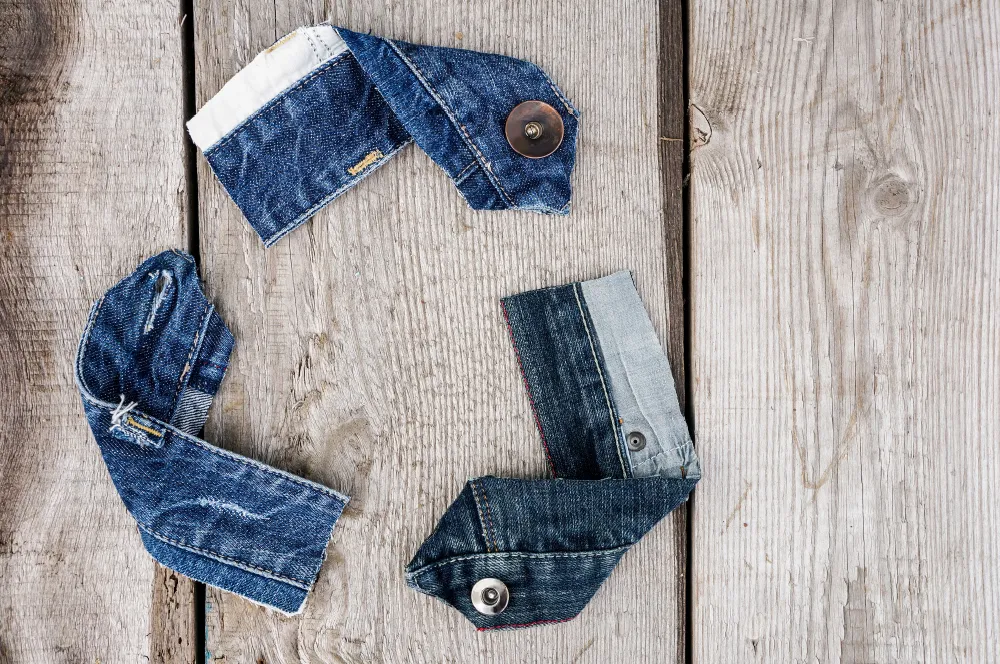
Belgium still has 0.8% to go
The 2020 figures show that Belgium is on track in all these areas. The municipal waste recycling rate stands at 54.2%, very close to the 55% target set by Europe for 2025. The other requirements have already been met: only 1.1% of municipal waste is still landfilled, well below the maximum limit of 10%. The proportion of packaging waste recycled today is 79.7%, above the 65% required by Europe. So, is everything looking rosy? Certainly not. Plastic packaging waste will be a key concern in the years ahead. The rate stood at 44.7% in 2020, while Europe wants its Member States to exceed 50%.
Challenges and opportunities for Belgium
The European Commission highlighted in its report that Belgium must continue to focus on an ambitious policy to maintain and even improve its performance in waste prevention and in preparing waste for reuse and recycling. Separate collection of metal, plastic and bio-waste is not always easy to implement, especially in agricultural areas. In addition, while Flanders already has quality standards and quality management systems for compost and digestate treatment, these are still lacking at national level. A deposit return scheme for packaging could also encourage reuse and capture recyclable streams that are currently lost. Finally, the Commission warns that applying the new calculation method for municipal and packaging waste could lead to a lower recycling rate.
The Netherlands ahead of schedule
The Netherlands is also among the top performers. With a recycling rate of 56.8%, a landfill rate of 1.4% and a packaging waste recycling rate of 76.5%, the country already meets the European 2025 requirements in all areas. The same applies to recycling rates for each specific packaging material stream. The country is therefore on track. However, Europe also highlights the potential of introducing a pay-as-you-throw system for residual waste. At present, only 37% of the population has access to one. In addition, introducing economic instruments for packaging could reduce the total amount of packaging waste or influence the choice of packaging materials in favour of greater recyclability and more eco-friendly design.
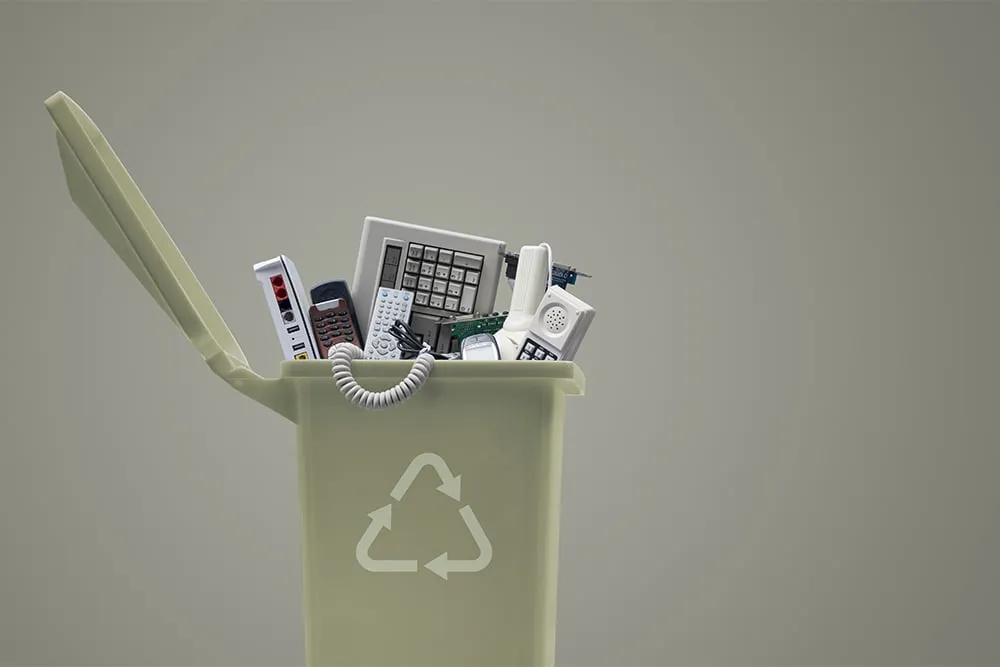
Best practice from the Netherlands
The “E-waste Race” is an educational competition between schools in a region to collect as much discarded electrical and electronic equipment as possible from local residents. Residents can register their waste on a website and arrange for it to be collected from their home. The winning schools receive a prize. More than 1,000 schools in the Netherlands have taken part in over 100 competitions, and more than 1.4 million old electronic devices have been collected.
Best practice from Belgium
A sustainable solution for collecting and reusing textile waste has been implemented in Antwerp. “De Inzameling” is a collaboration between a consortium of non-profit organisations and the municipal authorities. Textiles, clothing, shoes and leather goods are collected from homes or at drop-off points, sorted and sold locally. In 2017, 1,200 tonnes of textiles were collected. Replacing an inefficient system, this scheme helps prevent illegal dumping and supports local reuse.
Question about this story? Ask your question
Keep following this
Get an email when a new story is published. No account needed.
- SubjectNews







