












Belgians set new record for collecting used batteries, with 4,029 tonnes collected in 2024
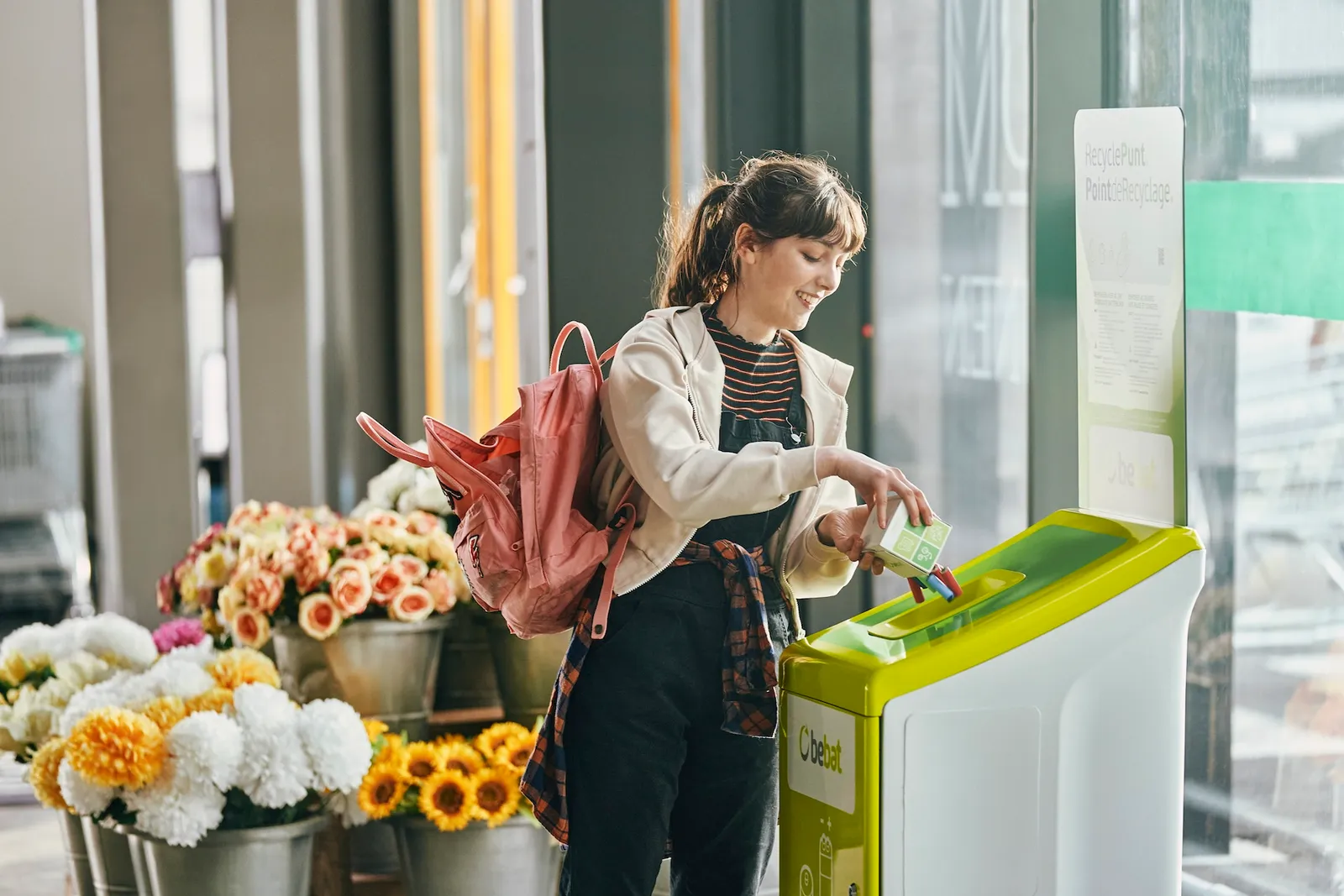
In 2024, Belgians returned 4,029 tonnes of used batteries, an increase of 3% on 2023 and a new record. These positive results were made possible by the efforts of both consumers and businesses. Collection of lithium-ion batteries in particular saw impressive growth of 20%. This category includes the batteries found in everyday devices such as smartphones, cordless power tools and electric vehicles. With the rise of sustainable mobility and technologies, these batteries are becoming the norm. For this reason, Bebat continues to adapt to a constantly evolving market and invests in innovative approaches to managing these new types of batteries.
Strong results in a rapidly changing battery market
The collection of used batteries remains a Belgian success story. In 2024, Bebat collected and treated 4,029 tonnes, an increase of 3% on the previous year. This increase is all the more remarkable given that the total weight of batteries placed on the market fell by 4%. This decline is mainly explained by a sharp fall in industrial batteries, including energy storage batteries (-12%). However, the weight of portable batteries rose by 4%, partly offsetting the decline. In terms of chemical composition, Bebat recorded a notable increase in the weight of lithium-ion batteries placed on the market (+9%).
Businesses play an increasingly crucial role in collection: they are responsible for 38% of the total collected, 15% more than in the previous year. The contribution of other collection points, such as recycling centres (28%), supermarkets (18%) and schools (9%), also remains very important.
Belgians’ battery collection habits
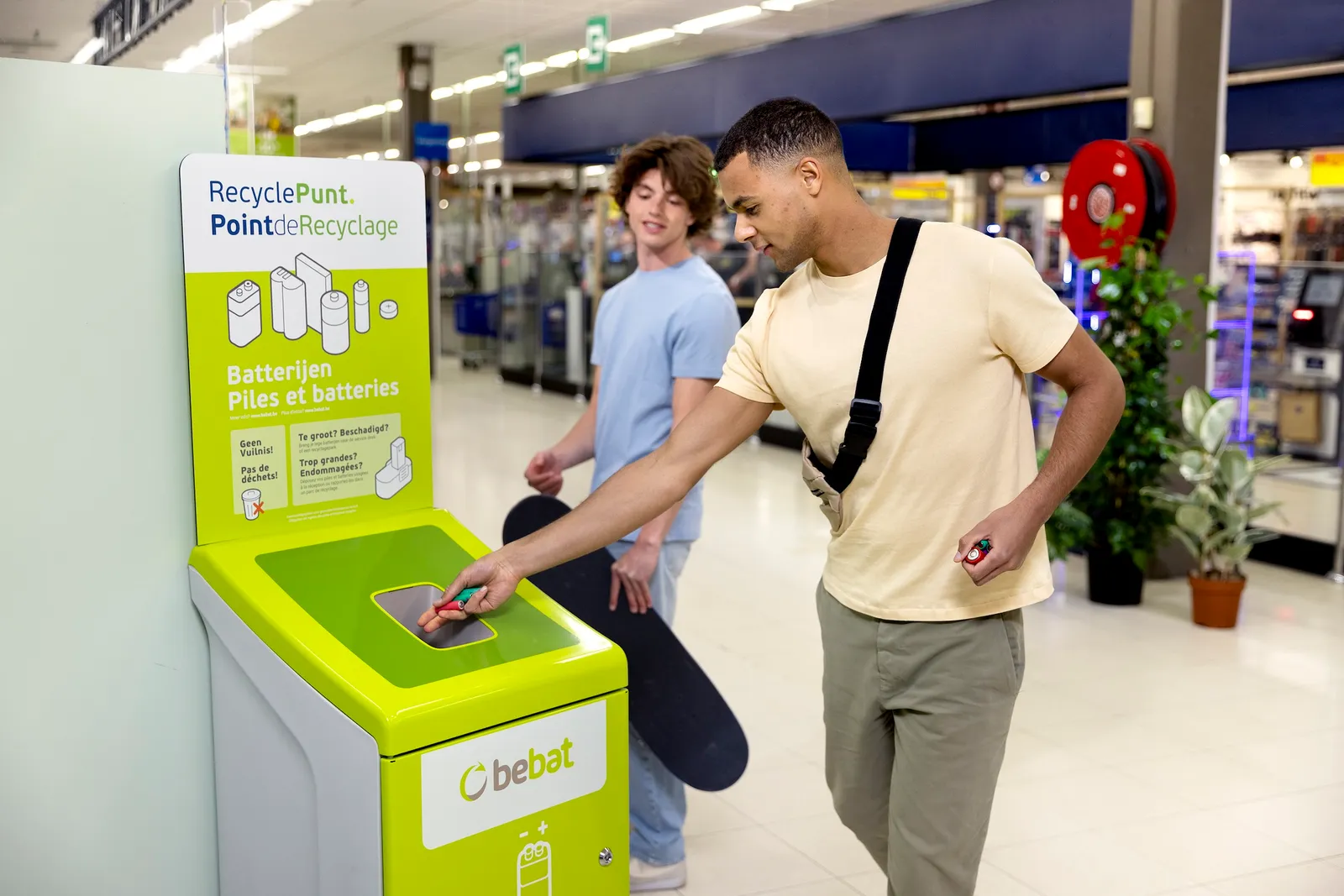
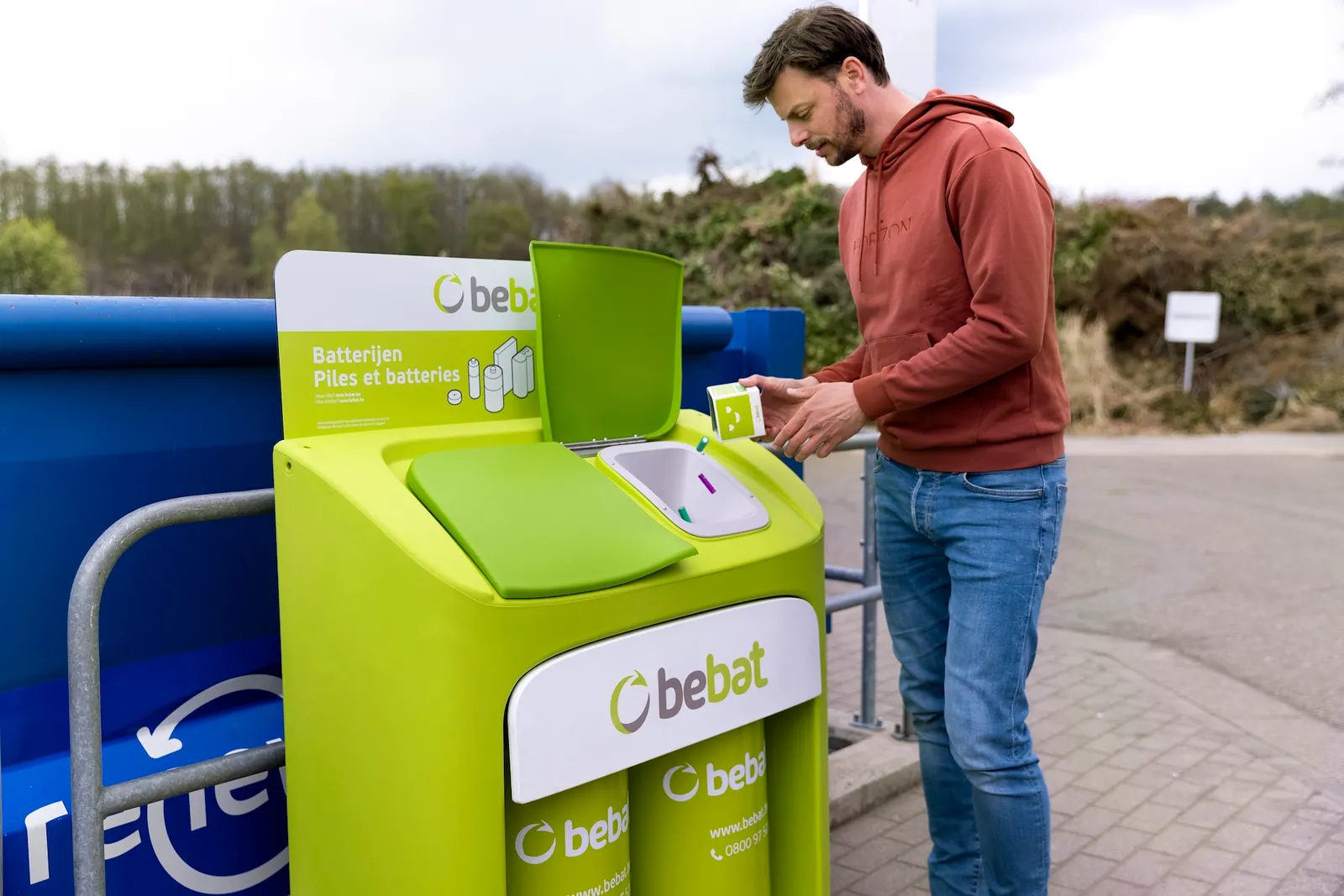
Sorting used batteries has become second nature for many Belgians. In 2024, 80% said they regularly took them to a Bebat collection point.
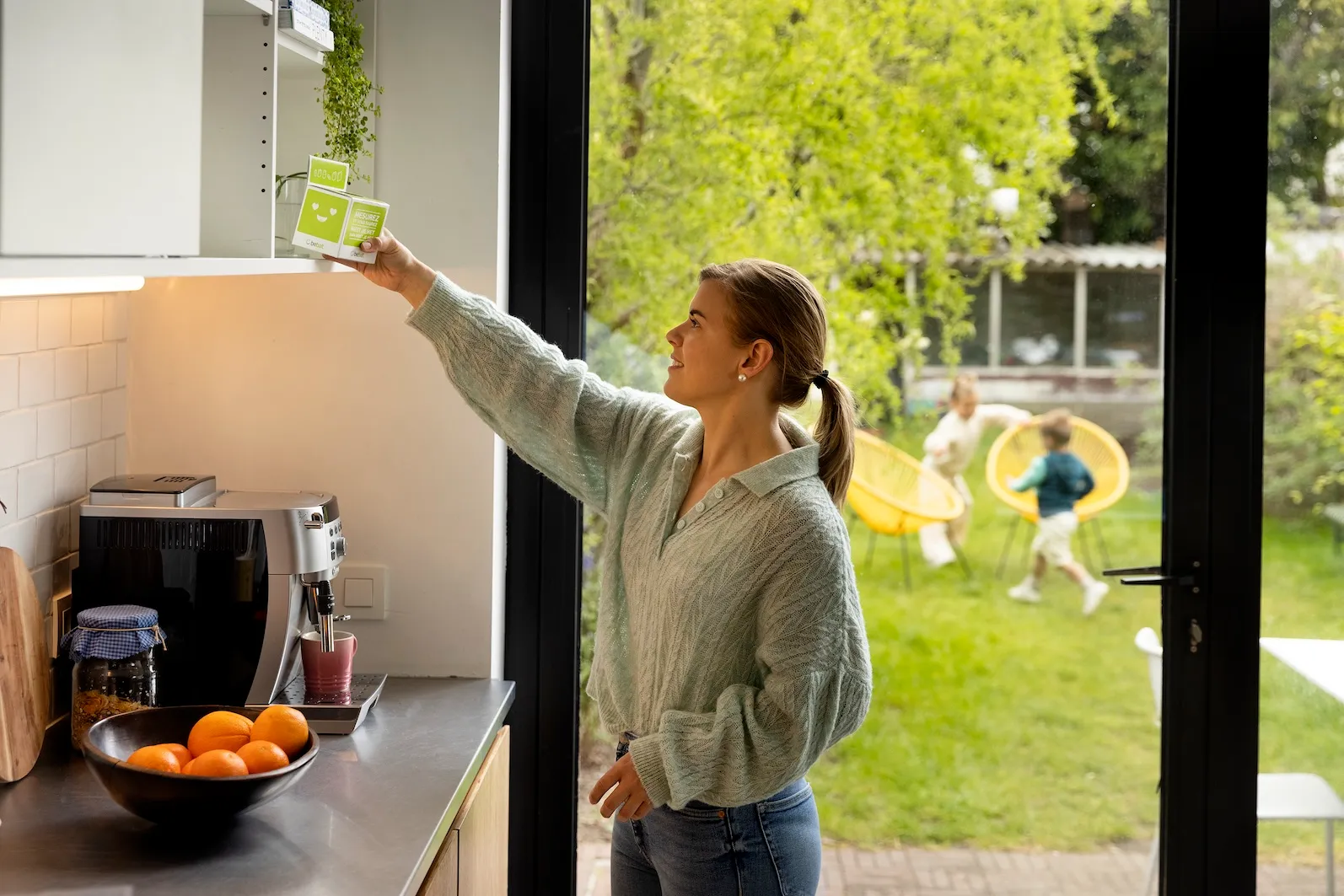
Collection is also well organised at home: 72% of Belgians say they often store their used batteries in a Bebat collection box, which can be found in more than seven out of ten households.
The most common places to store used batteries are the garage (25%), the utility room (24%) and the kitchen (20%). These figures show just how firmly collection has become part of Belgians’ habits.
Peter Coonen, CEO of Bebat, says: “We are incredibly proud of these results. We have reached this new record thanks to the efforts of millions of Belgians. More and more people are collecting their used batteries, whether at home, at school or at work. It is a positive habit that has a real impact.“
Growing interest in lithium-ion batteries
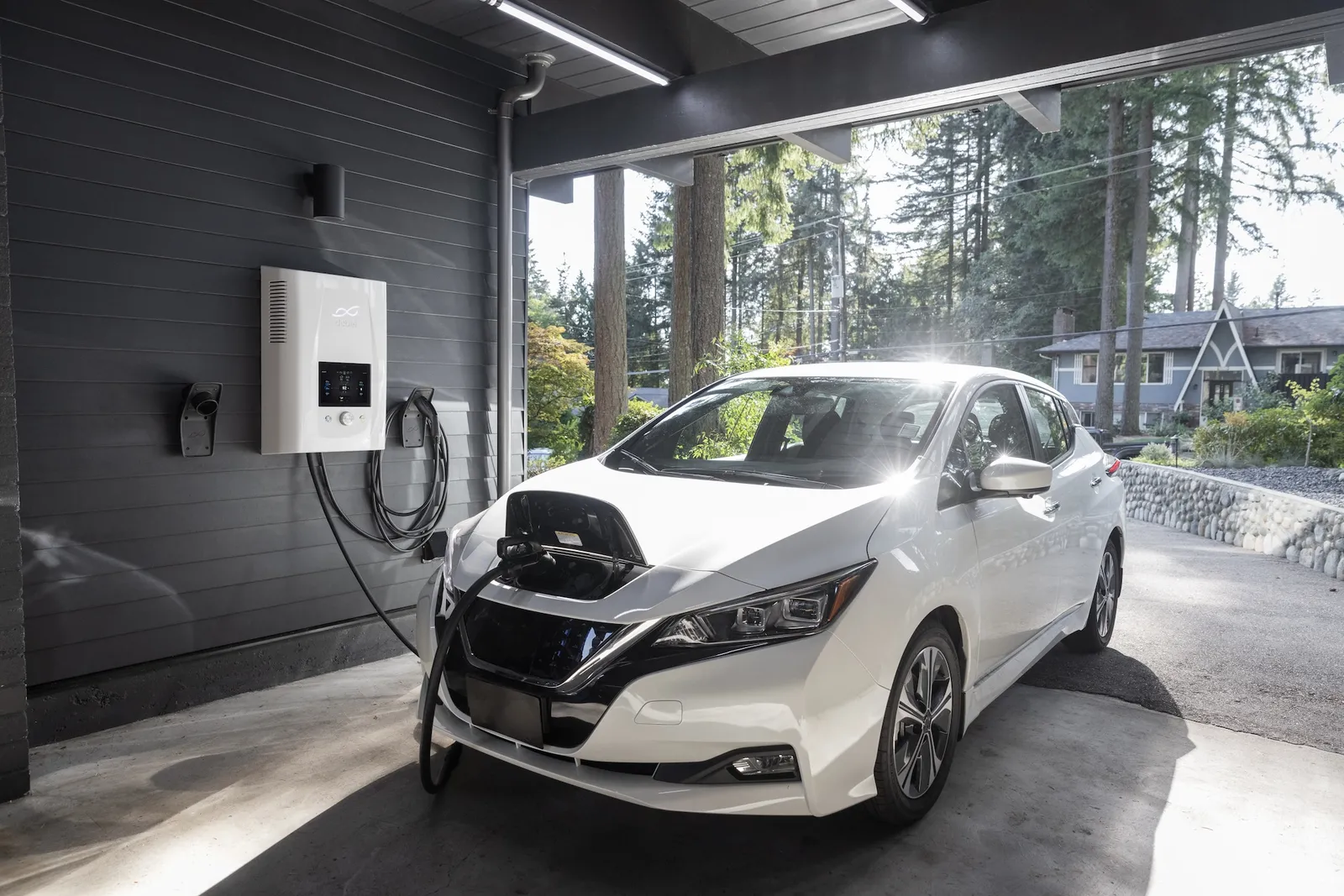
The shift to lithium-ion batteries is undeniable. Their collection increased by 20% in 2024, representing nearly 100,000 kilos more than in the previous year. Lithium-ion batteries now account for a significant share of all batteries on the market. This growth is mainly due to the widespread use of devices such as smartphones and laptops, as well as the doubling of the number of electric vehicles in Belgium.
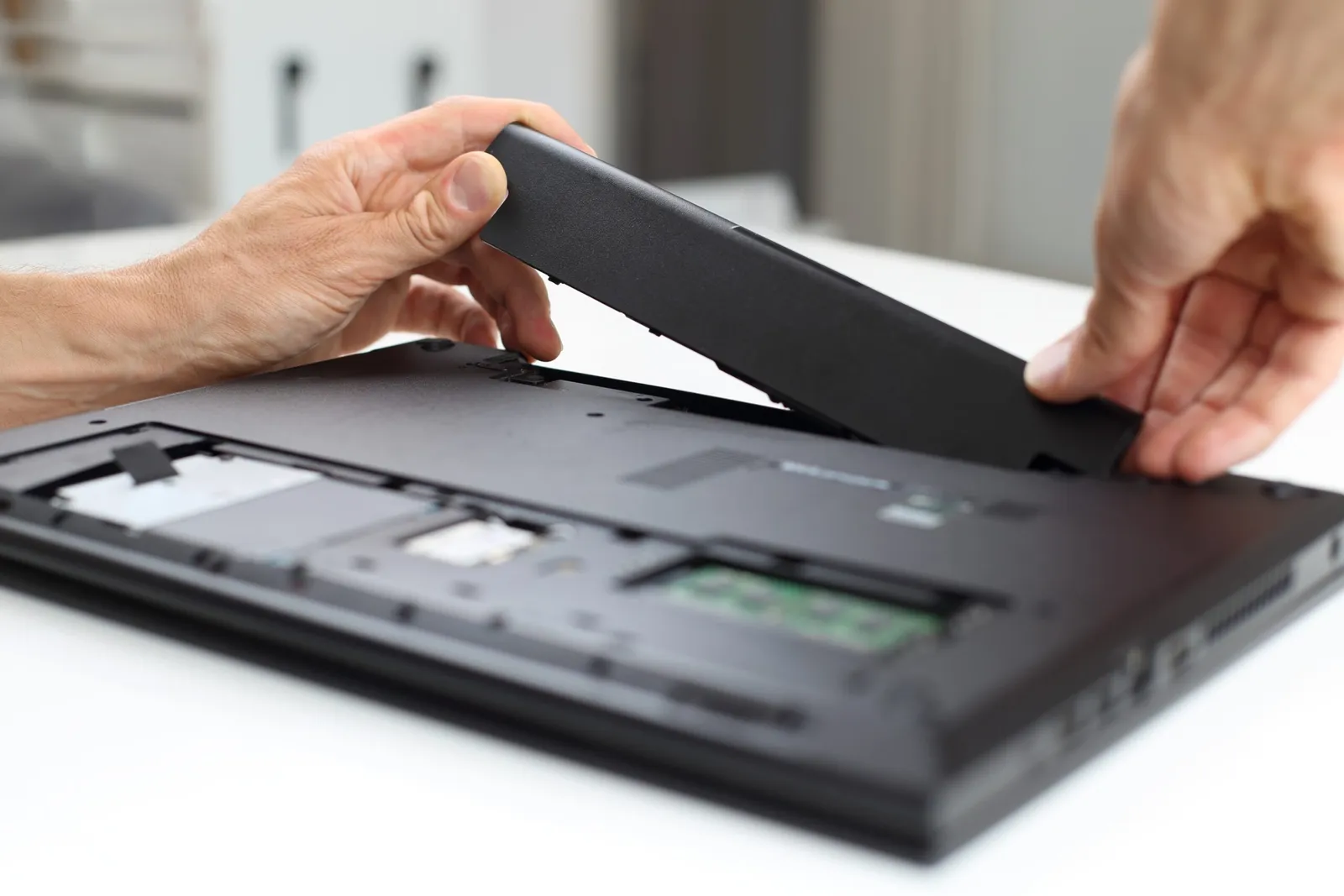
Bebat continually adapts its collection system, offering innovative solutions for integrated batteries and prioritising safe recycling. This enables the organisation to ensure that all types of used batteries are treated.
“Lithium-ion batteries are increasingly used in devices and electric vehicles. Collecting and treating them is one of our priorities. We are already seeing a significant increase in the collection of this technology, but because of its long lifespan, we expect a real peak by 2030. We call this phenomenon the ‘ketchup effect’, and we are already preparing for it,” adds Peter Coonen.
Looking ahead
In 2025, Bebat aims to strengthen its position as a European leader in the collection, recycling and reuse of used batteries. The organisation continues to focus on awareness-raising campaigns, innovation through cutting-edge recycling solutions, and safety, with particular emphasis on lithium-ion batteries.
Peter Coonen, CEO of Bebat, concludes: “The battery market is evolving rapidly, and emerging technologies require appropriate treatment solutions. For this reason, we are continually improving our collection systems and developing innovative treatment methods for these new types of batteries. We are investing in an AI-powered sorting system and improving the safety of our staff and sites with new storage containers for large car batteries. We also work closely with our partners, the authorities and collection points, and actively share our knowledge and expertise with the industry as a whole.“
In this way, Bebat remains ready to meet the challenges of tomorrow.
Key facts and figures from Bebat’s 2024 annual report
- Total weight collected: 4,029 tonnes (+3% on 2023)
- Collection of lithium-ion batteries: +20% (100,000 kg more than in 2023)
- Total weight of batteries placed on the market: 57,734 tonnes (-4% on 2023)
- Business collection: +15% on 2023 (38% of total collected)
- Households have an average of 128 batteries: 71 integrated into a device and 57 individual batteries
For more information on Bebat’s annual results, click here.
Een zakelijke vraag aan Bebat asbl? Get in touch
Companies in this story
Keep following this
Get an email when a new story is published. No account needed.
- ThemeCollecting and transporting waste
- SubjectNews
- CompanyBebat asbl







