












A recovery pathway takes shape
Texte Luc Ophals | Photos Groupe Dufour/CRP
Developing high-value “upcycled” autoclaved aerated concrete
In partnership with CTP and BBE, Cogetrina is currently working to establish a recovery pathway for autoclaved aerated concrete recovered from construction waste, with a view to reusing it as a high-value raw material. Until now, waste containing autoclaved aerated concrete has mainly been landfilled or, at best, reused as low-value recycled aggregate in road construction. The Valocell project aims to achieve an “upcycling” recycling rate of 75%.
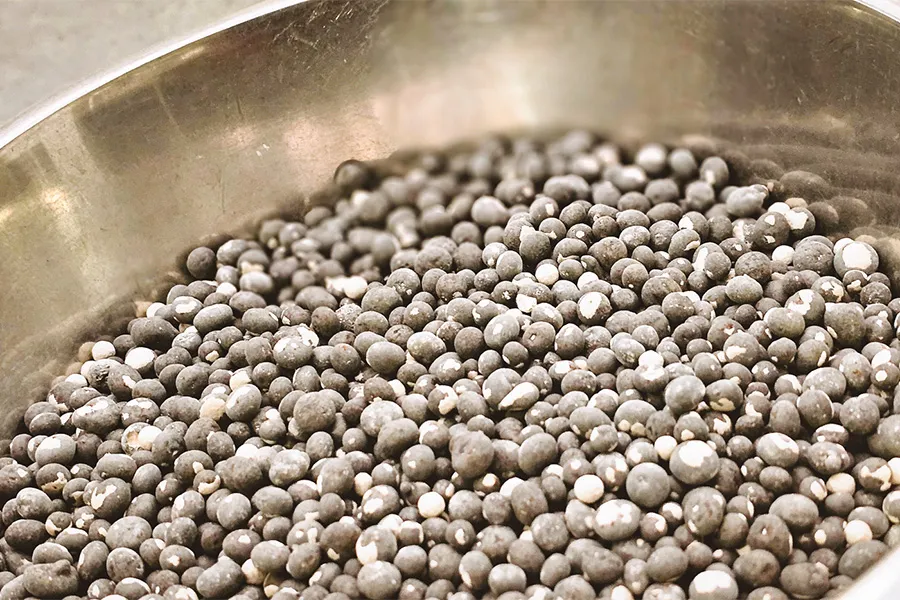
Autoclaved aerated concrete waste is collected in Wallonia through Recyparcs and intermunicipal waste management organisations, and mixed with other waste streams, mainly plaster waste, under the category of non-incinerable bulky waste. Alternatively, it is taken to authorised treatment centres and mixed with other waste. In both cases, it ends up in landfill or is recycled into aggregate for use in roads. However, no pathway yet existed for producing high-value recycled autoclaved aerated concrete suitable for a much wider range of applications.
The technical challenge
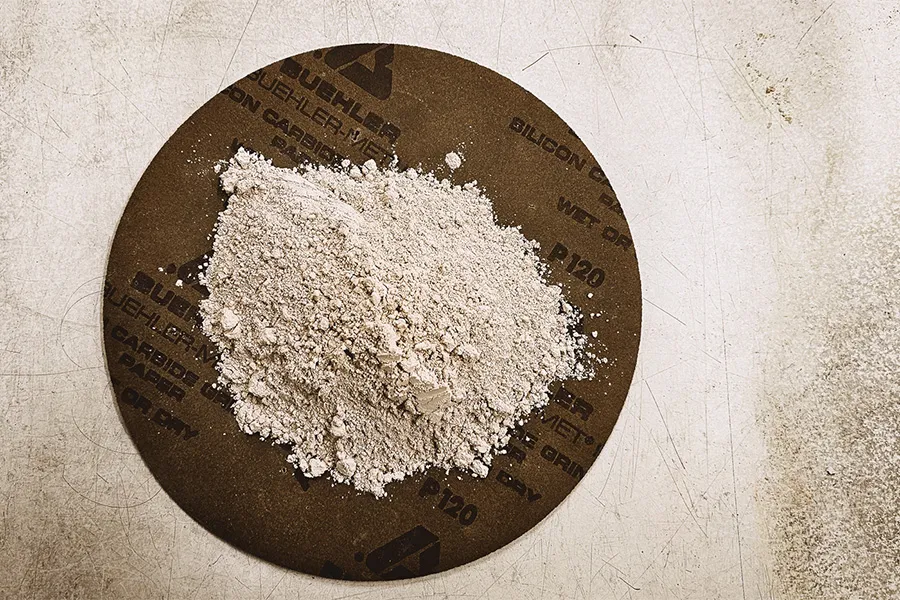
Nicolas Buyck, Business Development Manager at Cogetrina Logistics, briefly outlines the technical hurdles to overcome: “Recovering autoclaved aerated concrete for reincorporation into high-value concrete mixes is no easy task. The plaster waste must be separated from the autoclaved aerated concrete waste, which is actually quite similar. In addition, autoclaved aerated concrete is relatively low-density and difficult to crush to the required particle size for use in concrete mixes. The solution should lie in mineral processing techniques that can separate plaster from autoclaved aerated concrete. The aim is not to focus solely on recovery itself, but to optimise the entire collection and sorting process upstream so that ‘upcycled’ autoclaved aerated concrete of high added value can be used as a raw material in concrete.”
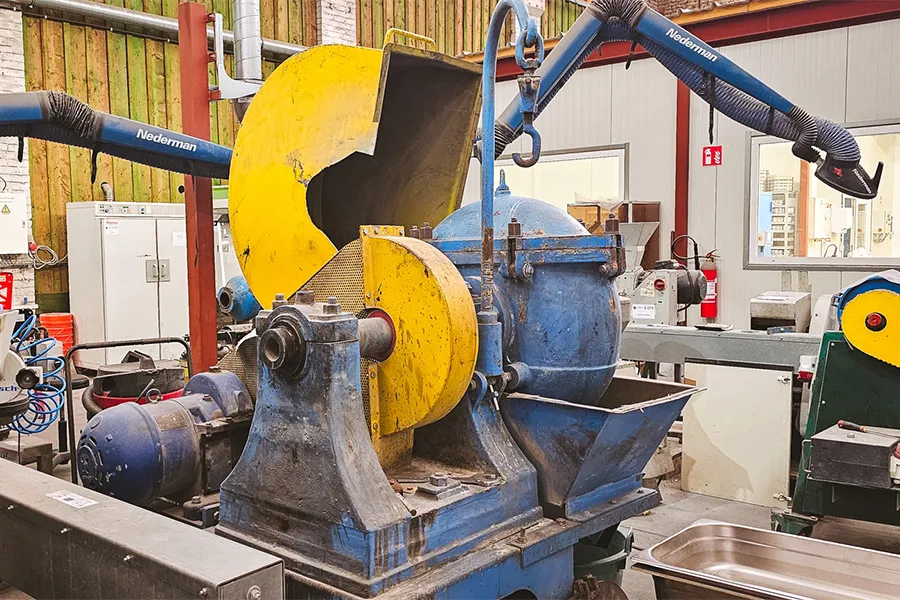
This explains the partnership with Centre Terre et Pierre (CTP), which has expertise in waste separation and is contributing to sorting and mineral processing. The other partners in the Valocell project are BBE (Béton Bassin de l’Escaut, a sister company of the Dufour group), responsible for concrete mix design, and Cogetrina Logistics (the Dufour group’s environmental division), which will handle collection and sorting. “To bring the project to fruition, new processes will need to be developed, as the required techniques do not really exist yet. For example, tests using existing screens and mills have not yet produced the particle size needed for high-quality reincorporation of autoclaved aerated concrete into concrete mixes. The good news is that CTP has found a way to crush the autoclaved aerated concrete to a sufficiently fine particle size. The next step will therefore be to develop the right concrete mixes,” Nicolas Buyck tells us. Once the tests have yielded sufficiently conclusive results, the next stage will be to implement the combined industrial processes, including pre-crushing, crushing and bespoke mix design, at a dedicated site or on an existing line.
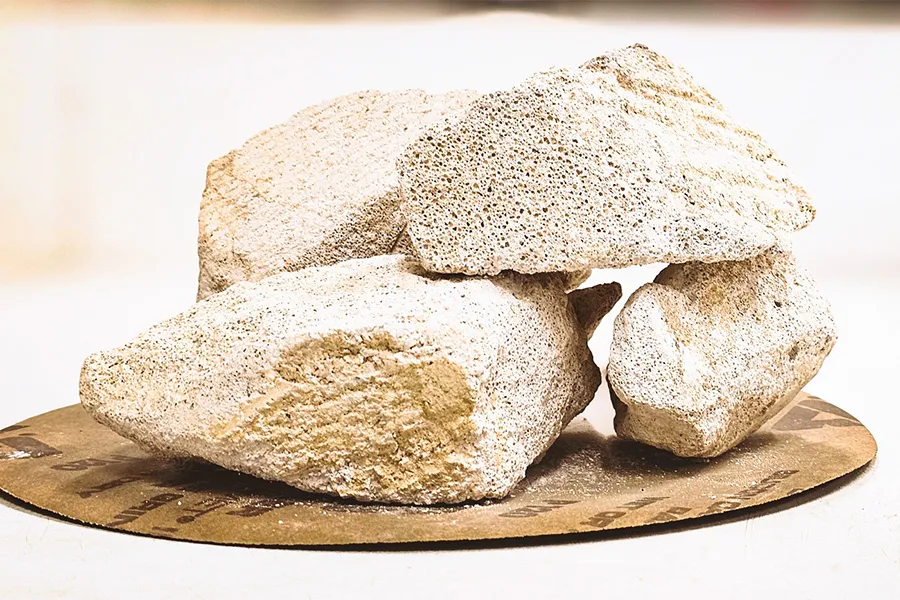
The Valocell project, unique in Belgium and beyond, began in early October 2022 and is due to end in October 2024. “But to achieve the target of a 75% upcycling recycling rate for autoclaved aerated concrete, we need to be more comprehensive and refine the process so that we can recover autoclaved aerated concrete from any non-incinerable waste stream, not just mixtures containing plaster,” says Nicolas Buyck.
Question about this story? Ask your question
Keep following this
Get an email when a new story is published. No account needed.
- ThemeRecovering construction waste
- SubjectNews







