Towards the infrastructure of the future

At the end of September, Denuo opened its doors to launch a debate on green road mobility for the waste and recycling sector. How can the sector make its supply chain more sustainable? It is no easy task, as logistics involves many factors. The debate was therefore divided into three round-table discussions, each addressing a logistical challenge on the road to green mobility. The second discussion focused on the infrastructure needed to support the transition to green road mobility. Joining the round table were Philippe Degraef (Febetra), Merlijn Erbuer (Eoly energy), Eddy Girardi (Copidec) and Peter Degraeve (Vanheede).
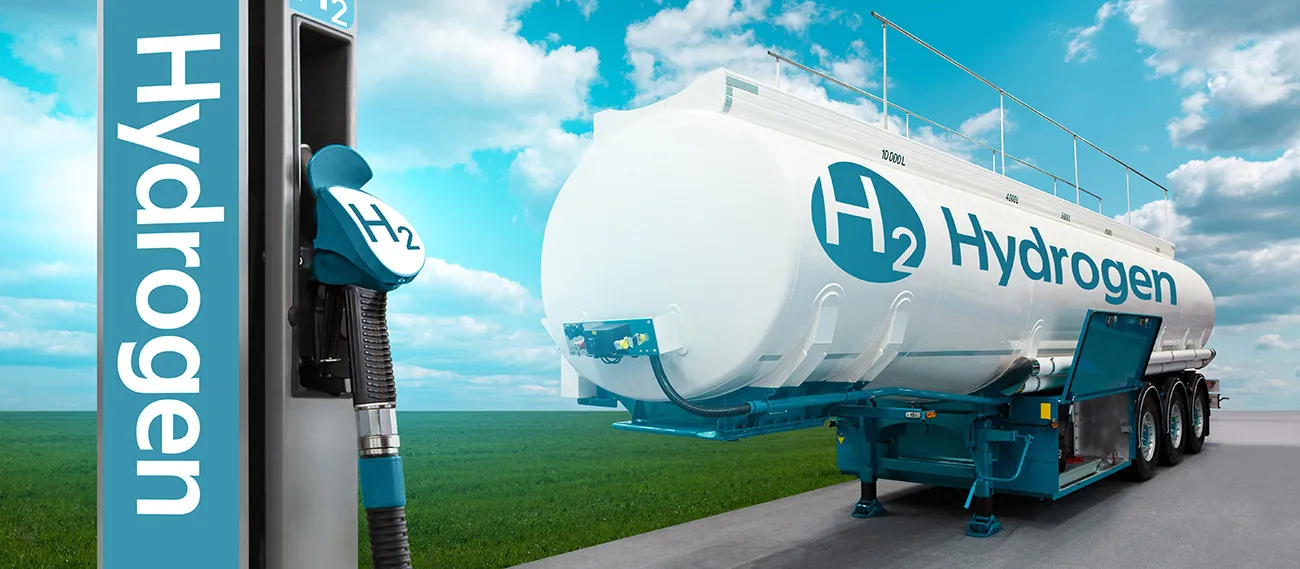
The second round-table discussion opened with a presentation by Eoly Energy on its hydrogen energy production projects. The company has been developing them in-house since 2007. In Belgium, for example, it had already helped the Colruyt group green its vehicle fleet by supplying the first hydrogen fuel-cell trucks for heavy-duty applications in 2020. The first five refuelling stations in Belgium, along with a new heavy-duty truck, are due to follow in 2021. Work is also under way at full pace to produce hydrogen. Since 2018, a 25 MW plant producing hydrogen from renewable energy for industry, transport and injection into the gas grid as green gas has been under development in Zeebrugge. In collaboration with Novandi, the company is working on a smaller-scale facility (5 MW) in Wallonia. A third facility is also planned for 2025 in Terneuzen, with a capacity of 25 MW that could rise to 100 MW. This will be developed in collaboration between Virya Energy and VOLTH2.
The chicken-and-egg dilemma
There is therefore a great deal in the pipeline in terms of infrastructure, and it will be needed. According to the round-table participants, the need for infrastructure to support the use of vehicles powered by alternative fuels should not be underestimated. This applies to both on-site and off-site refuelling stations. It is a bit of a chicken-and-egg situation. Without infrastructure, the waste and recycling sector lacks the framework it needs to invest in a greener fleet. But without a green fleet to operate, investing in production is more difficult. That is why it is good to know that local initiatives are moving ahead at full pace to ensure sufficient hydrogen, and therefore fuel for a more sustainable fleet.
Costs set to rise further
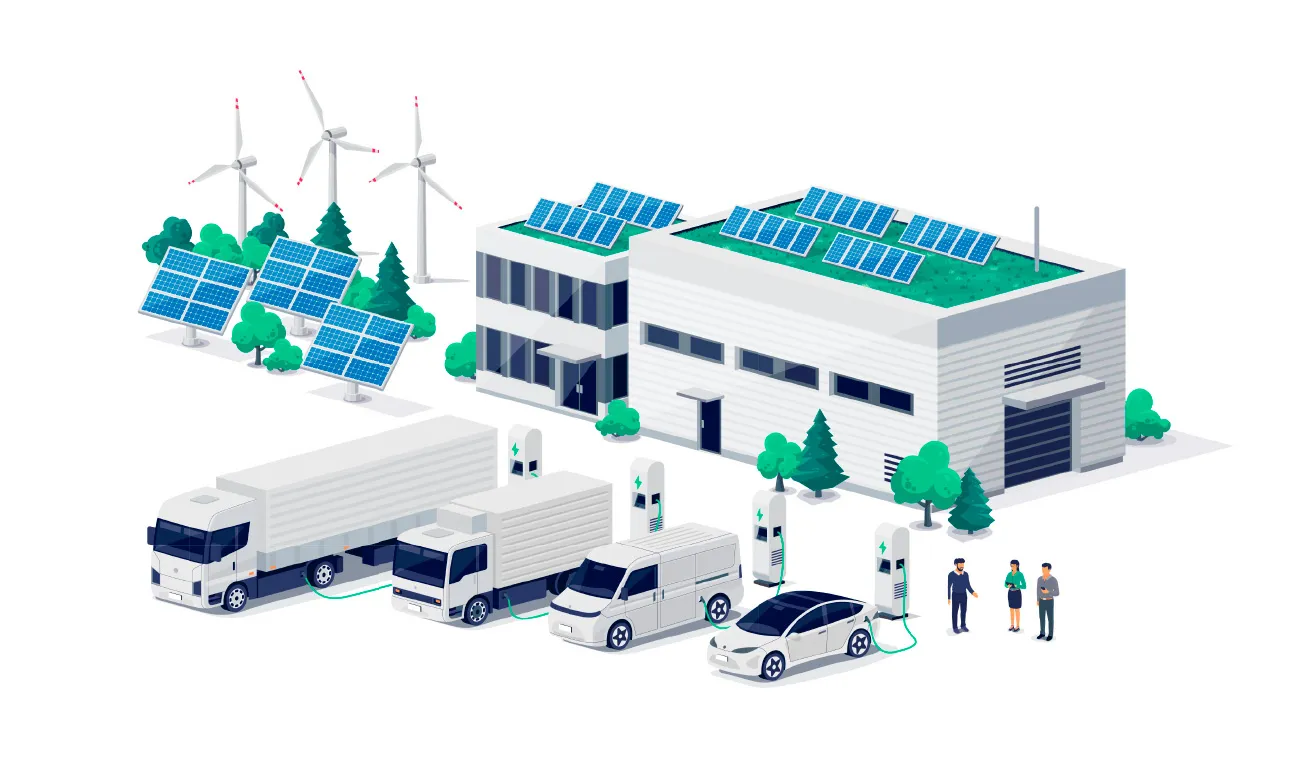
Just as electric and hydrogen-powered trucks cost more, the infrastructure will also be more expensive. While truck costs have risen three- or fourfold, the infrastructure itself will cost even more. This is important to bear in mind, as recycling companies looking to take action will need to factor it into a full financial estimate of the total cost of ownership. The picture is somewhat different for electricity. Charging points are becoming increasingly common on the streets. In this area in particular, action will be needed to ensure there are enough sufficiently fast charging points in enough locations. Some participants wondered whether Belgium’s electricity grid was ready for this. Would it be able to cope with the transition to electrified transport?
How can infrastructure investment be made affordable?
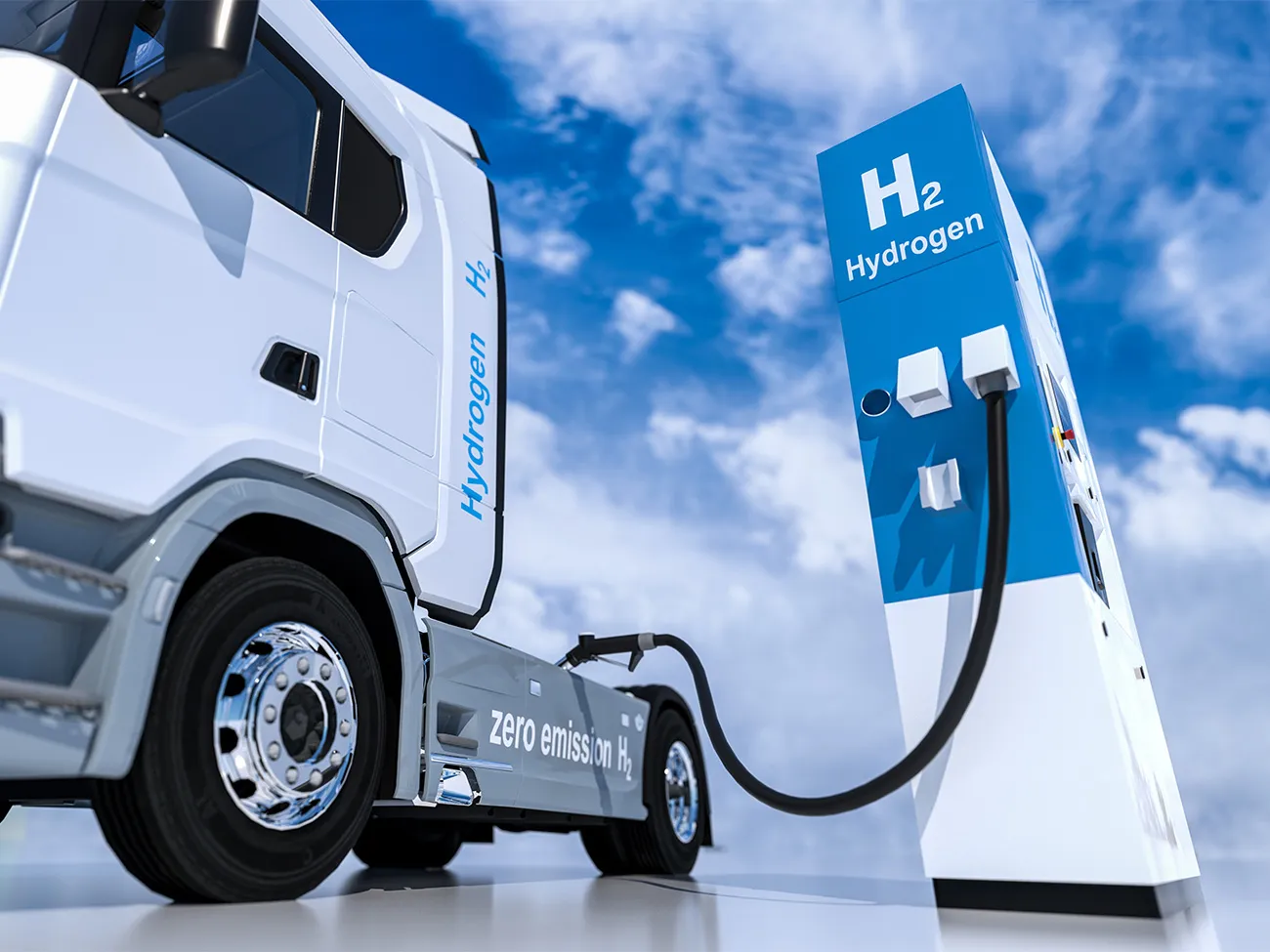
The next part of the discussion focused on how recycling and waste management companies could absorb the cost of this transition. This is no easy task in a sector where prices are constantly under pressure because of everything happening on the global stage. The participants therefore pointed to the example of solar panels. During the technology’s early development, households and businesses had to dig deep into their pockets. Subsidies in the form of green certificates had already made the investment much more attractive. However, costs fell on a sliding scale as investment in solar panels increased. The same could happen with alternative-fuel infrastructure. Above all, however, what we need is a clear policy framework that looks beyond short-term thinking and sets out a clear vision for the future. Those who invested in CNG technology a few years ago are now voicing complaints, for example.
Question about this story? Ask your question
Keep following this
Get an email when a new story is published. No account needed.
- ThemeCollecting and transporting waste
- SubjectEquipment