Shredders give waste a second life
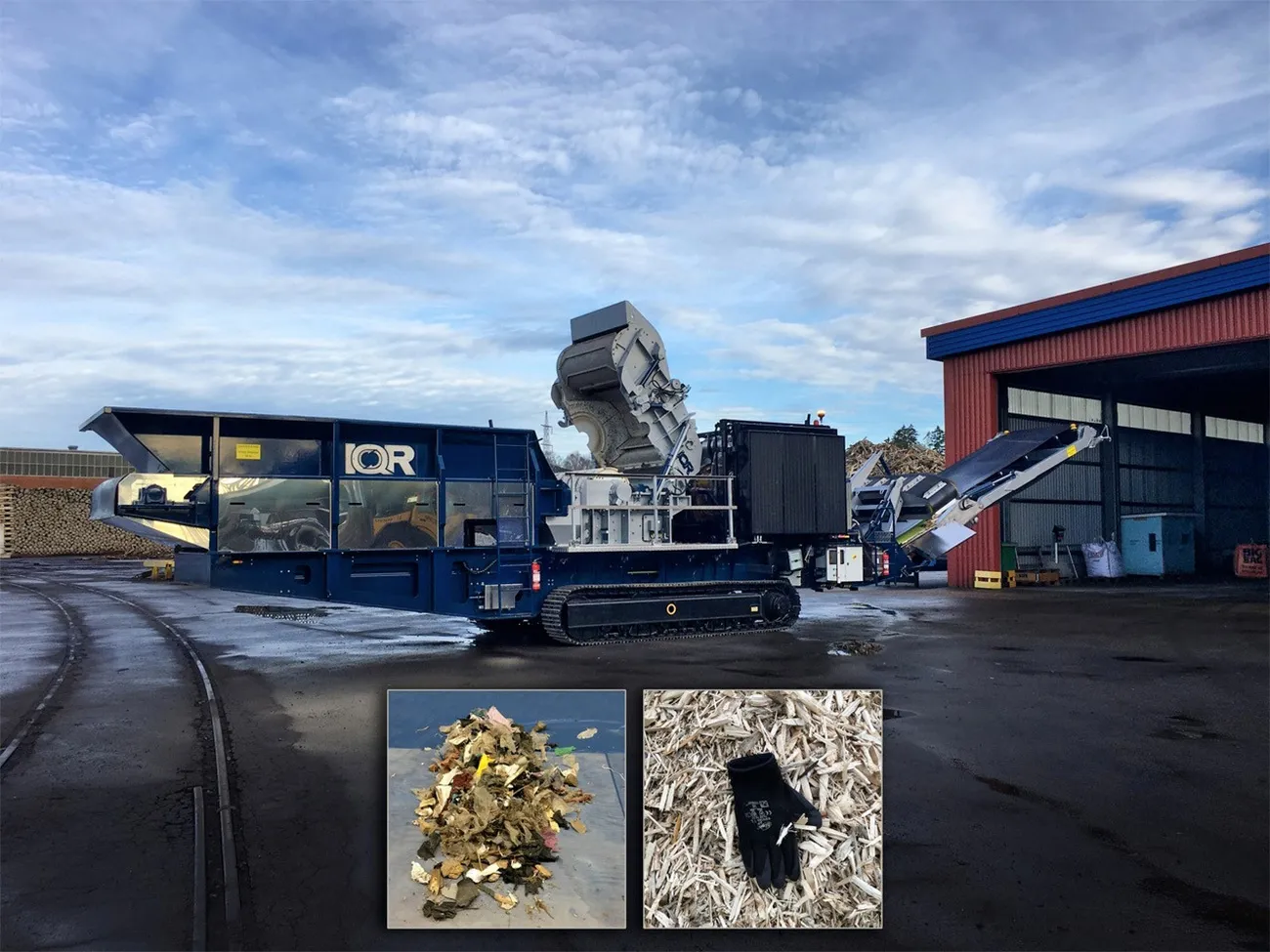
The vast flow of waste is one of the side effects of today’s consumer society. Sustainable and responsible waste management is therefore essential to ensuring the long-term viability of our environment. C.S.B. Waste Solutions has been helping businesses optimise their waste management for more than 20 years. One way it does so is with mobile and stationary shredders that process waste so it can re-enter a new life cycle.
Made in Sweden
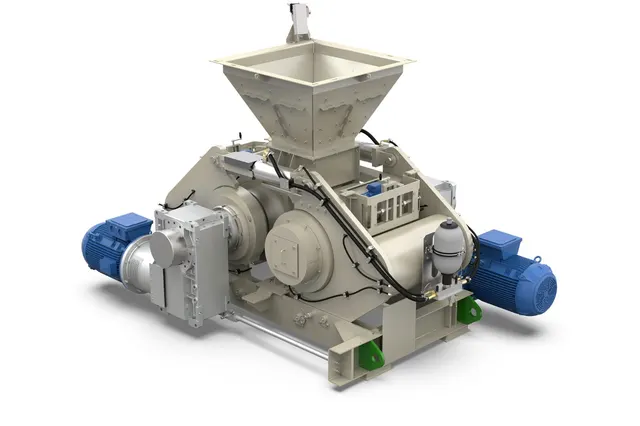
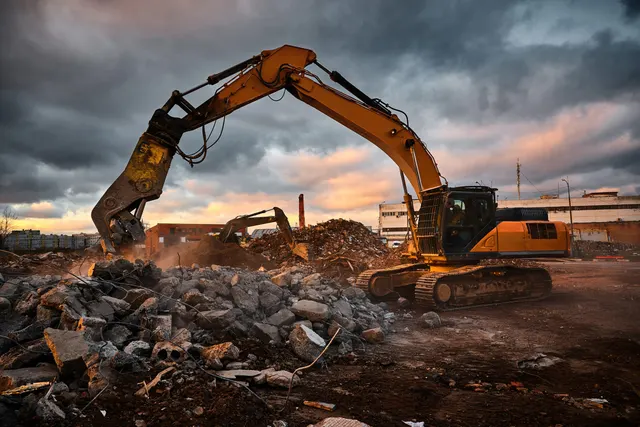
C.S.B. has opted for shredders from Swedish manufacturer IQR, which can draw on more than 35 years of experience in waste processing. The company’s founders originally recycled old railway sleepers. IQR gradually expanded its activities to other types of wood waste and also began manufacturing machines and plants developed for other market players. Its practical experience enables the company to assess the needs of waste-processing specialists like no other and supply durable machines and plants that exceed expectations. It manufactures shredders in various sizes, in both mobile and stationary versions. These are primarily designed to shred construction and demolition waste, but can also be used to process plastics and household and industrial waste. IQR’s FlexHammer shredders use a ‘free-swinging’ hammer system rather than the more common fixed-hammer system. This means that unbreakable materials cause far less damage to the shredder, ensuring continuous capacity.
Mobile shredders
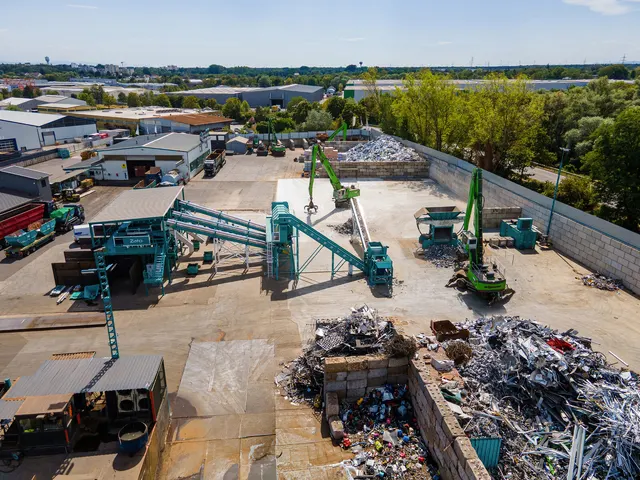
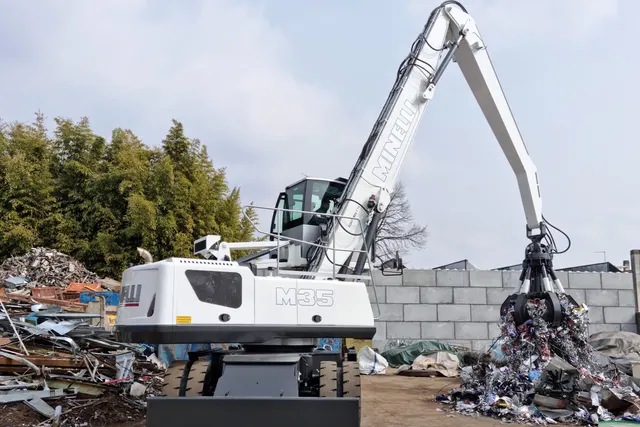
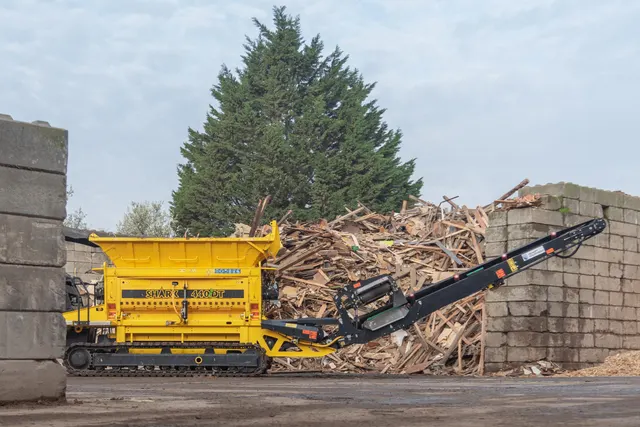
These mobile and stationary shredders are used by large waste-processing companies, among others. One customer, for example, invested in five mobile shredders to process waste on site and prepare it for the next stages of the recycling process. The shredders enable the company to process 50 to 60 tonnes of waste per hour. Wood waste is generally sent on to the particleboard industry or used to generate energy. Green waste is shredded into material for composting. Even the oversize from the screens, consisting of long fibrous pieces that cannot be shredded, is put to use to generate green energy. The company not only travels to shred waste on site, but also has a large site where waste collection companies can drop off their wood and demolition waste to be shredded using the mobile machines. A crane feeds the waste into the shredder. An extremely powerful magnet removes the metals. If the waste fraction is destined for recycling, it undergoes further processing at the producer’s site before being fed back into the production line. Fabric, plastic and small metal items are removed using filters.
Managing waste streams in-house
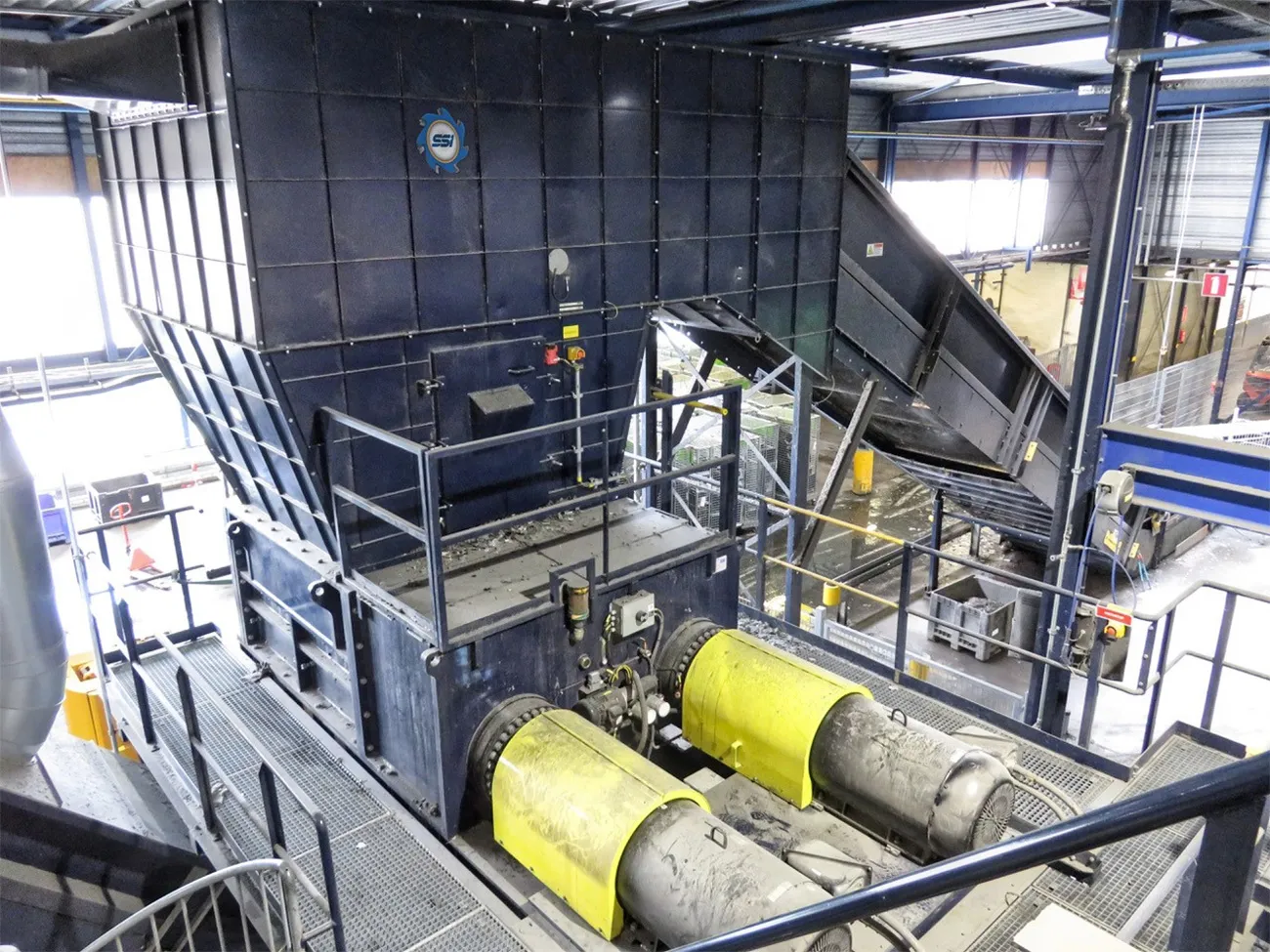
Shredders are not just for large waste-processing companies, they can also be used in a range of sectors. Wood-processing companies, for example, can use their production waste as an ideal raw material for energy generation. C.S.B. can install a small stationary shredder to process the wood waste. A magnetic drum removes large metal items such as bolts, screws and nails. The wood is then transported to a wood-fired incinerator supplied by C.S.B. The energy generated can be used to heat the offices, production workshop and any showroom. Although the installation requires an initial investment, it will quickly pay for itself thanks to the considerable savings it generates. As well as reducing energy bills, it also eliminates the costs of waste disposal. Your business can therefore contribute to a more sustainable society.
A trusted partner
For projects of this kind, having a reliable partner is essential. The shredder or incinerator must be perfectly suited to the needs and production process of the business in question. Correct sizing is crucial, for example, when it comes to an incinerator, to ensure a long service life and effective waste combustion. A thorough analysis of the materials to be shredded or incinerated is also needed to ensure reliable operation. “This work is a real craft,” says Stefaan Paulus, director of C.S.B. “It is not something you learn at school, but through many years of practical experience. You develop a feel for the equipment, which enables you to judge exactly which solution will or will not work for a particular customer. We always provide tailor-made solutions and learn from every project.” He adds with a laugh that this keeps their work exciting and challenging.
Question about this story? Ask your question
Keep following this
Get an email when a new story is published. No account needed.
- ThemeModernising recycling facilities
- SubjectEquipment