What obstacles do consumers and producers face when choosing packaging containing recycled plastic?
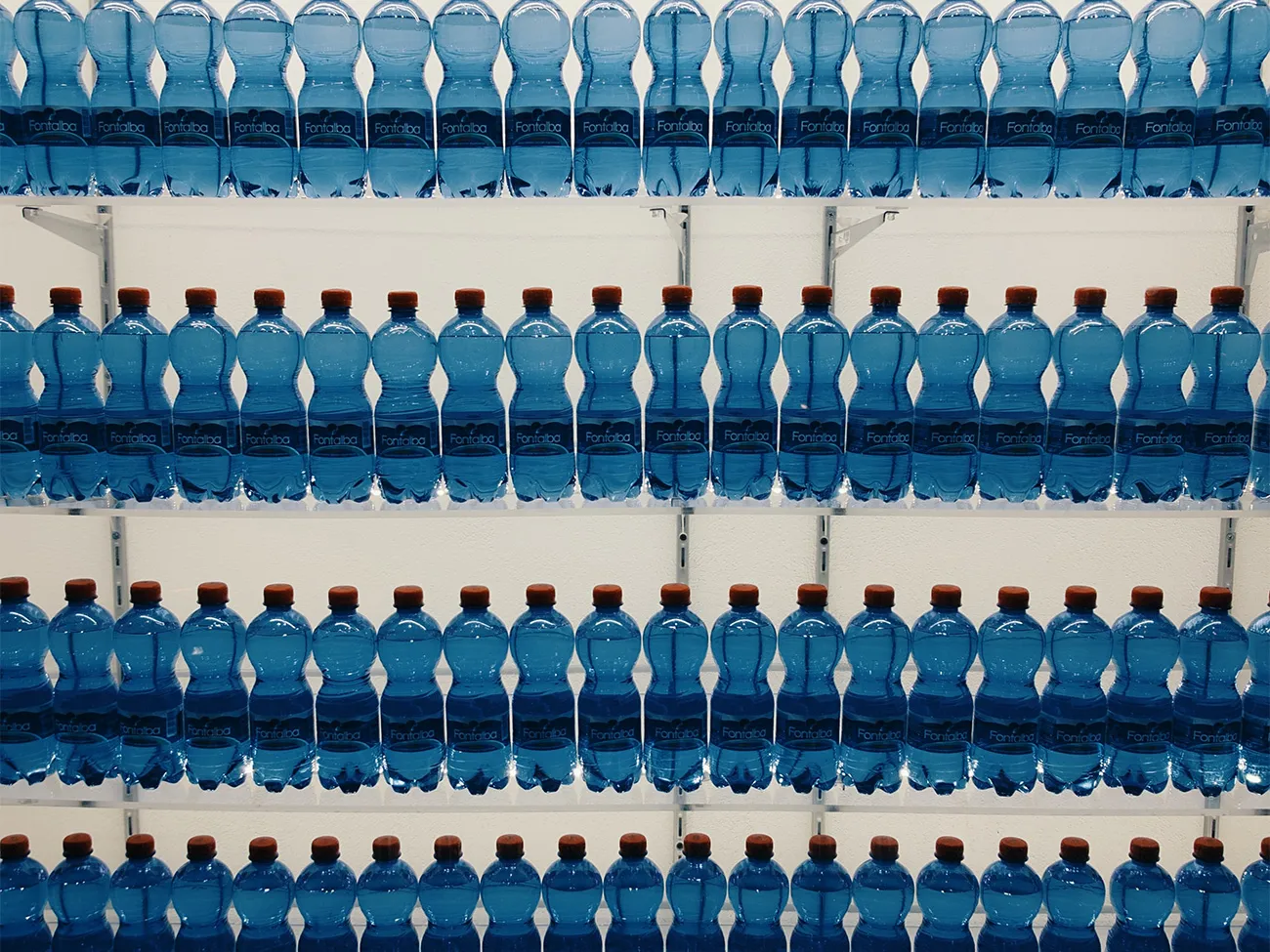
A market study by Denuo and Ghent University found that consumers consider plastic the least environmentally friendly packaging material. Consumers also make little distinction between virgin and recycled plastics. However, producers cannot exclude plastic from their product ranges, as its properties are difficult to replicate with other materials. Nor do producers seem convinced by recycled plastics. What is behind this reluctance to take the plunge? And how can producers be encouraged to overcome their concerns?
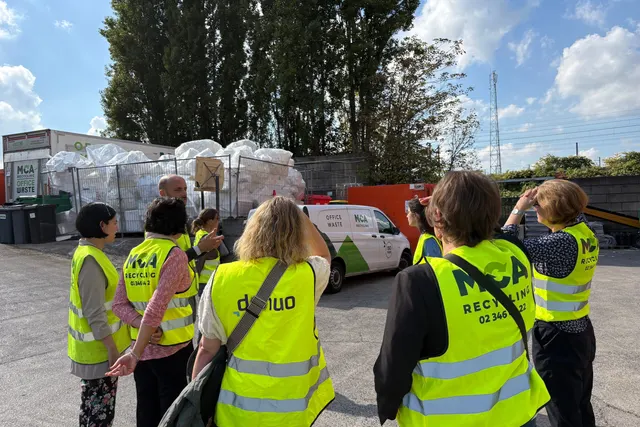
Eight students studying Multilingual Business Communication at Ghent University carried out a market study for Denuo to assess the obstacles facing businesses and consumers in their efforts to build a circular economy. The study focused on packaging materials.
It examined consumers’ and producers’ knowledge of the use of recycled materials, potential applications for recycled materials, and the obstacles to using recyclates.
The qualitative part of the study involved interviews with consumer groups aged 18 to 65, as well as in-depth interviews with 16 producers. For the quantitative part, a survey was conducted among 885 Dutch-speaking and French-speaking consumers.
Producers are reluctant to use recycled plastics
Although most plastic packaging producers are aware of the role they can play in creating a more sustainable, circular economy, they are not switching entirely to other materials perceived as more sustainable, such as cardboard and glass. Producers cannot exclude plastics from their product ranges. Plastic is very light yet strong, making it highly suitable for transport. It can also ensure a product’s shelf life, whereas cardboard and other materials are not always suitable.
However, not all producers work with recycled plastics. They often focus on other sustainability factors, such as energy and water consumption. Producers that do use recycled plastics often see them as just one element of a broader environmental plan.
Nevertheless, producers are motivated to work with recyclates. Legislation is one incentive, but they also recognise that using recycled plastics enhances their image and that their competitors are doing so too.
Despite this, producers also face obstacles that prevent them from working with recycled plastic.
The main obstacle is the cost of recycled plastic compared with virgin plastic. Another issue, in their view, is the limited supply of recyclates. And if demand for recyclates rises in the coming years, will supply still be sufficient? Producers also believe there is still considerable uncertainty about the specific properties of recycled plastics. They have questions about food safety and shelf life. Finally, producers say that investment in recycled plastics is not always a priority, as consumers are becoming increasingly averse to plastics in general.
Consumers are averse to plastics
Indeed, the study shows that consumers rank plastic, including recycled plastic, among the least environmentally friendly materials. There is currently a trend towards plastic bashing, with consumers trying to avoid plastic as much as possible. For most consumers, sustainability primarily means reducing waste.
When shopping, consumers are mainly guided by habit and price, and much less by the type of packaging. When buying dry and fresh food, packaging no longer plays any role: taste and quality are what matter to consumers. “
It is striking that students and young people are more aware than older people of the environmental benefits of recycled plastics. Yet they say this has no impact on their purchasing behaviour. They are guided primarily by the cheapest option.
The average consumer knows little about recycling and recycling processes, and receives no clear information in shops about packaging recyclability or the use of recyclates. The proliferation of product labels also makes them wary.
The survey also revealed some striking regional differences. For example, residents of Brussels appear to be the most conscious shoppers. They attach more importance to the type and origin of packaging materials than people in Flanders or Wallonia. People in Wallonia have the most negative perception of plastics, while those in Flanders mainly opt for the cheapest option.
How can obstacles to the use of recycled plastics be reduced?
Based on these findings, the students who carried out the market study made a number of recommendations to remove obstacles for producers and consumers.
- Subsidies or financial support would help producers switch to using recyclates.
- Producers need clarity and certainty about the properties of recyclates. It is up to recycling companies to address this as effectively as possible.
- Consumers know too little about plastics and their environmental impact to make informed purchasing decisions. Better information about the properties of plastic and standardised product labelling could help.
- To encourage young people on limited budgets to make more sustainable purchasing decisions, a student discount on products in recycled packaging could be effective.
Question about this story? Ask your question
Keep following this
Get an email when a new story is published. No account needed.
- ThemeOvercoming the plastics crisis
- SubjectDenuo