Reusing clothing has 70 times less environmental impact than new clothing
EuRIC, the European federation of textile reuse and recycling companies, has recently published the results of a life cycle assessment (LCA) of textiles. Here are the key findings: reusing textiles saves significant amounts of CO2 and water compared with producing new clothing. The environmental impact of textile reuse is up to 70 times lower, even when global exports for reuse and transport emissions are taken into account.
Savings in water consumption and CO2 emissions
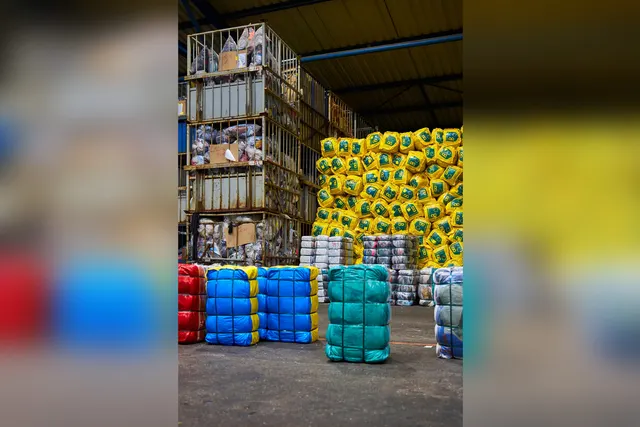
The study calculated that each reused garment of medium or high quality saves up to 3 kg of CO2. In addition, reuse requires just 0.01% of the water consumption associated with producing new clothing. These findings confirm the important role of reuse in the waste hierarchy. Recycling also has its benefits, however, particularly for low-quality clothing, which is generally made entirely of polyester. “This study highlights the environmental benefits of a global market for textile reuse and recycling in addressing the growing quantities of poor-quality, non-reusable clothing,” explains Stany Vaes, managing director of Denuo, EuRIC’s Belgian member.
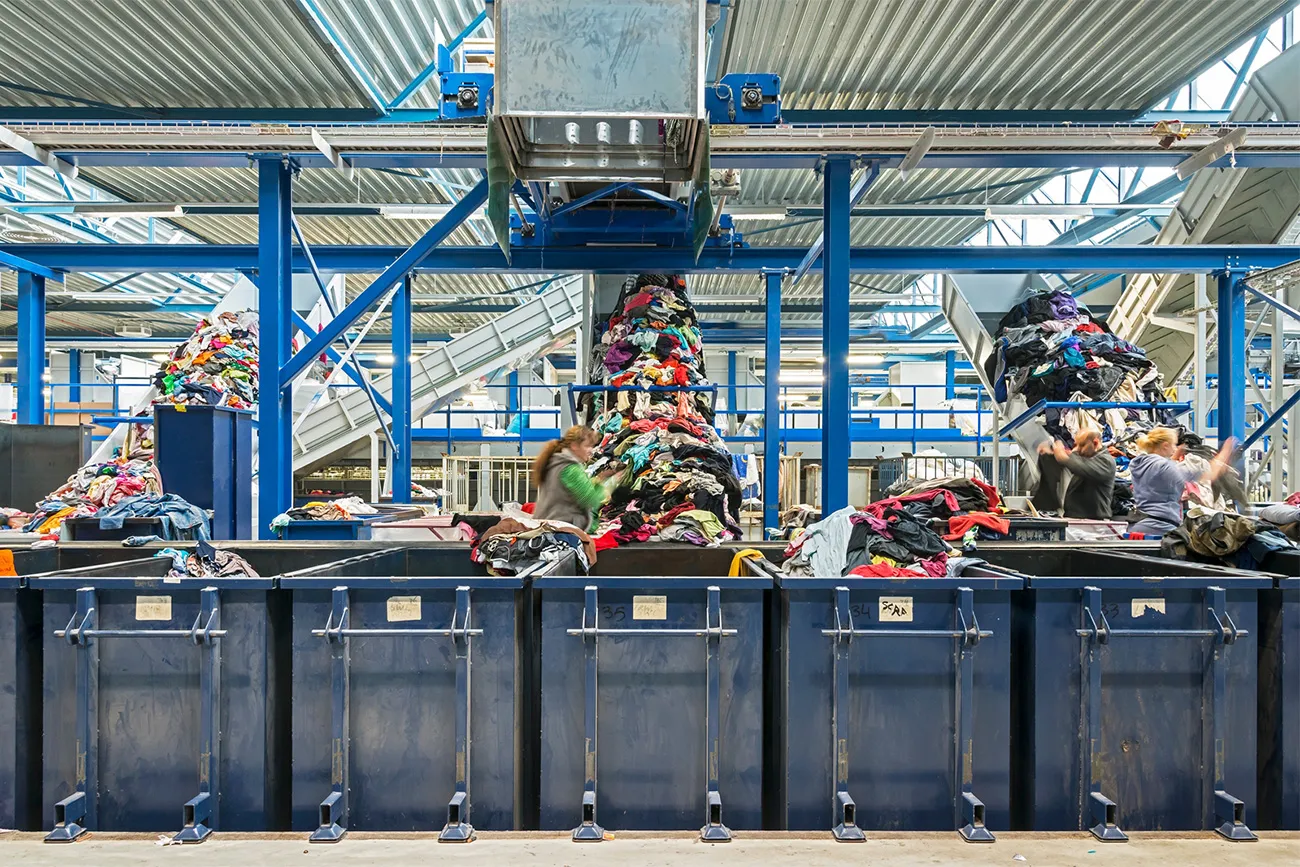
Sort, sort, sort
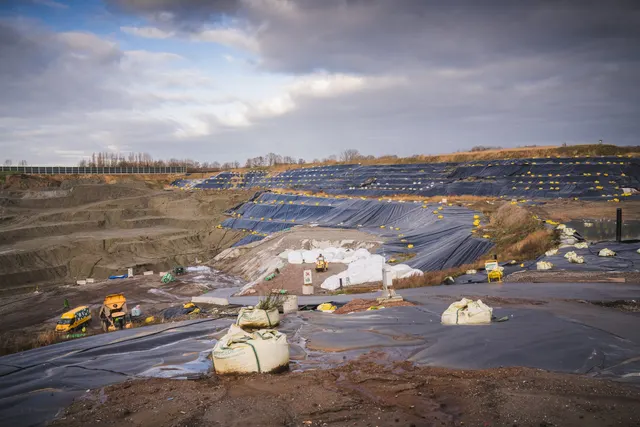
Unfortunately, around 62% of used clothing and textiles end up in household waste, meaning valuable textiles are at risk of being incinerated or sent to landfill. To prevent this, the EU launched its strategy for sustainable textiles a few months ago and called on Member States to start separate textile collection by 2025.
Need for innovation and investment
The study also includes recommendations for policymakers and calls for initiatives to accelerate investment in modern textile recycling facilities worldwide. In particular, innovation in fibre-to-fibre recycling will be essential to keep textile fibres in the loop, as the quantities of non-reusable clothing continue to increase dramatically. The study also highlights the importance of ecodesign in extending the lifespan of clothing before it needs to be recycled, and of rules requiring detailed sorting of high- and medium-quality textiles separately from low-quality textiles.
Question about this story? Ask your question
Keep following this
Get an email when a new story is published. No account needed.
- ThemeGiving materials a second life
- SubjectDenuo