Is ‘waste’ the answer to Europe’s climate ambitions?
European recycling targets can cut CO2 emissions by 150 million tonnes
Meeting Europe’s targets of 65% recycling and a maximum of 10% of waste sent to landfill would cut Europe’s annual CO2 emissions by 150 million tonnes compared with 2018. This is the conclusion of a study carried out by the European waste federation FEAD and research consultancies including CE Delft and Prognos.
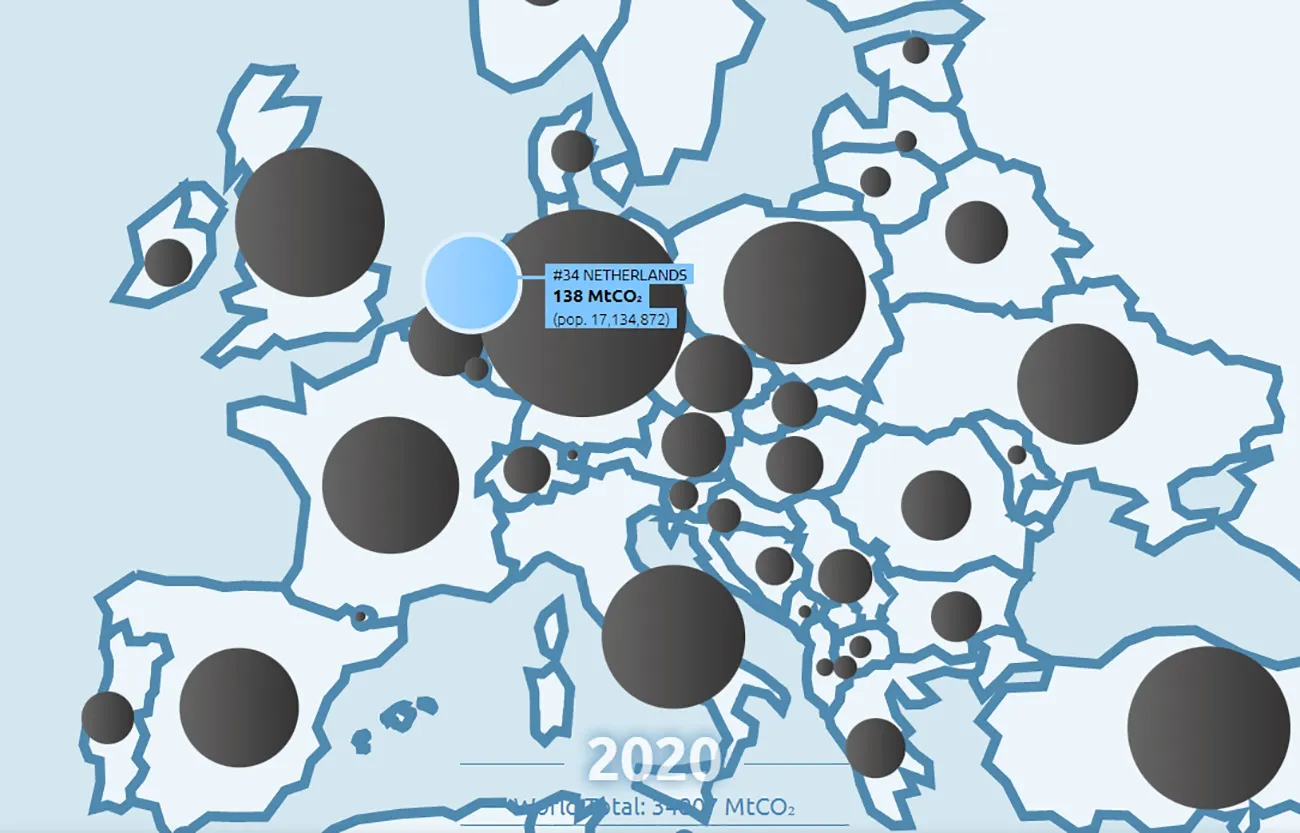
Europe aims to recycle at least 65% of municipal waste by 2035 and limit the amount sent to landfill to a maximum of 10%. If the United Kingdom and EU Member States meet this target, annual CO2 emissions will fall by 150 million tonnes, more than the emissions of a country such as the Netherlands (138 million tonnes in 2020, according to Globalcarbonatlas.org).
This is the conclusion of a study carried out by several European federations and research consultancies CE Delft and Prognos.
Greater efforts in recycling and recovery
These CO2 savings result from increased recycling and the (re)use of recovered raw materials. This makes us less dependent on the extraction, transport, processing and use of virgin raw materials, which account for 62% of global CO2 emissions. Energy recovery from non-recyclable materials at waste-to-energy plants and the production of waste-based fuels also save CO2. Taking all this into account, Europe’s waste sector continues to contribute to the continent’s climate ambitions, without factoring in the potential for further cuts through, for example, multimodal transport, green energy and greener mobility in our sector.
More recycling capacity, more eco-design
To achieve this potential reduction in CO2 emissions, efforts will be needed across Europe to further expand recycling capacity, including through public support for systems that enable the separate collection of more waste streams.
Companies should also devote more effort to eco-design and the recyclability of the products they place on the market. Finally, governments can also contribute by introducing new measures that, for example, require a minimum proportion of recycled materials to be used in new products.
Question about this story? Ask your question
Keep following this
Get an email when a new story is published. No account needed.
- SubjectDenuo