How can the dismantling and recycling of used mattresses be developed in Belgium?
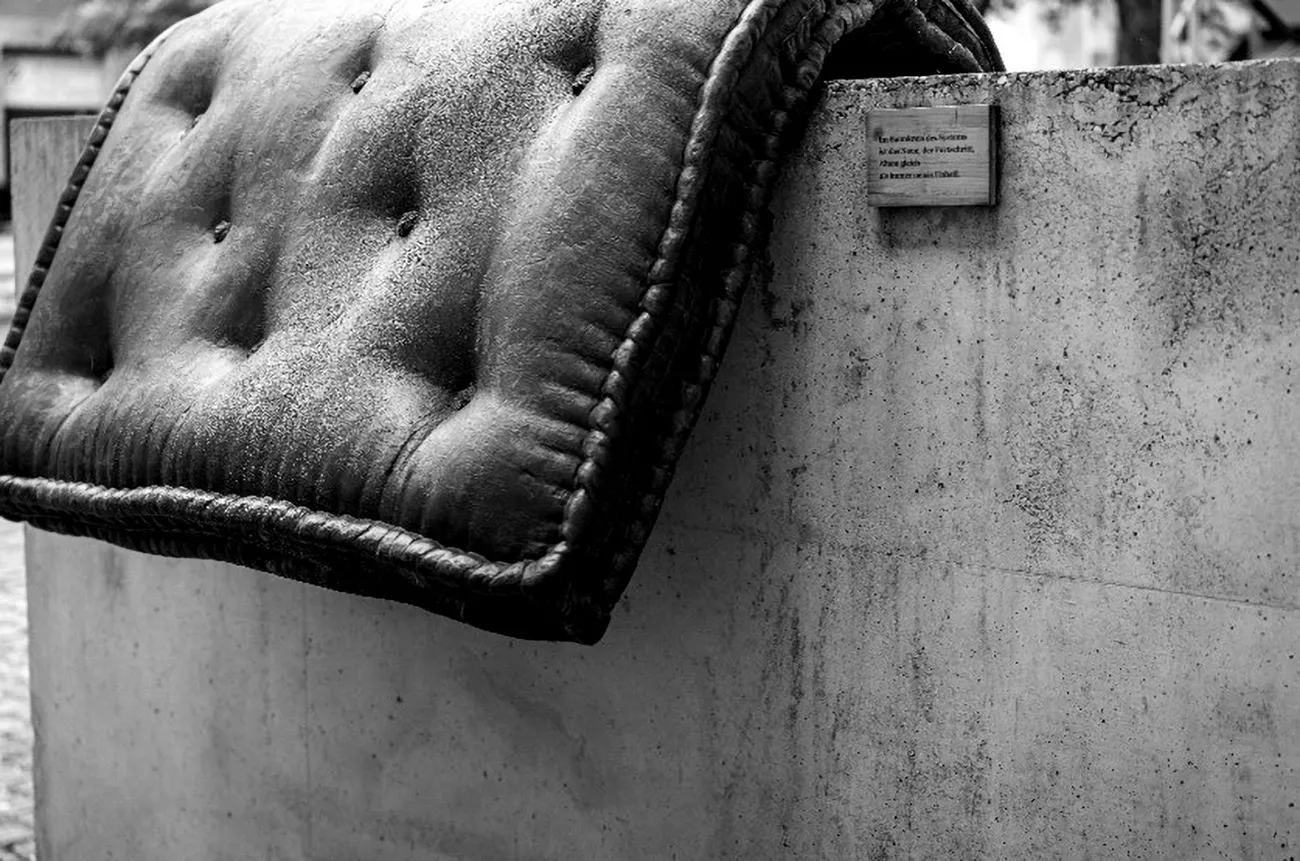
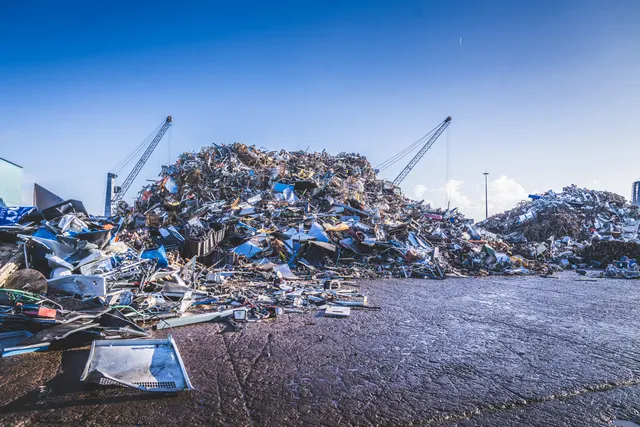
Around 900 000 mattresses are placed on the Belgian market every year. Given that a mattress weighs 15 kg on average, the total tonnage amounts to 13 511 tonnes of materials that could be recovered. Until now, mattresses have been collected through the bulky waste stream and sent for recovery by incineration. This has resulted in a loss of material recovery.
That is why a new extended producer responsibility (EPR) scheme for used mattresses has been introduced in Belgium. Since 1 January 2021, the take-back obligation for used mattresses has applied in Flanders. In Wallonia and Brussels, the same obligation will come into force on 1 January 2023. A 2-year period is currently planned to give recycling centres time to assess the waste stream and adapt their infrastructure for separate collection.
The take-back obligation
The take-back obligation for used mattresses is organised by the management organisation Valumat. Household mattresses must be collected separately through recycling centres or may be collected by retailers on a voluntary basis. Mattresses from professional users must be collected by a private collector approved by Valumat.
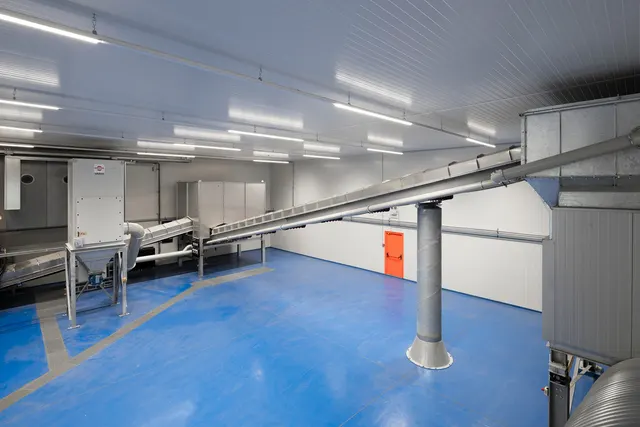
These separately collected mattresses are then sent to a dismantling centre, where the various materials for recycling, such as textiles, foam and springs, are recovered. There is only one mattress dismantling company in Belgium, owned by Suez and based in Sombreffe. It has been processing used mattresses since 2015 and hopes to grow further thanks to the separate collection obligation, which will preserve the waste stream for processing.
The question of mattress reuse
The take-back obligation for used mattresses has naturally focused on high-quality separate collection to improve recycling. However, according to the Lansink’s Ladder principles, the reuse of used mattresses should also be regulated and have a place in the market. For several months, Denuo has been in discussions with the regional administrations and reuse organisations, Herwin in Flanders and Ressources in Wallonia.
Denuo believes that reuse has an important role to play in the transition to a circular economy. However, mattresses are a specific product, and it is difficult to establish objective criteria for hygiene and comfort. Although mattresses undergo a hygiene treatment before being put back on sale, comfort remains an important criterion. It is difficult to estimate how many years must pass before a mattress can be reused.
That is why Denuo has proposed limiting the reuse of used mattresses to so-called pre-consumer mattresses, meaning mattresses that have not been used. This category includes display mattresses, mattresses with sales defects and returns. In these cases, reuse should be the priority, as the mattresses retain their original function: hygiene and comfort.
Regulations on mattress exports
Finally, one of the major challenges for reuse is the diversion of some mattresses through unregulated parallel channels. Many used mattresses end up on other continents, and it is impossible to trace them and ensure their reuse. The authorities must strictly regulate mattresses intended for export in order to promote local reuse and recycling.
Question about this story? Ask your question
Keep following this
Get an email when a new story is published. No account needed.
- SubjectDenuo