European plan for steel and metals: circularity in focus, but caution is needed
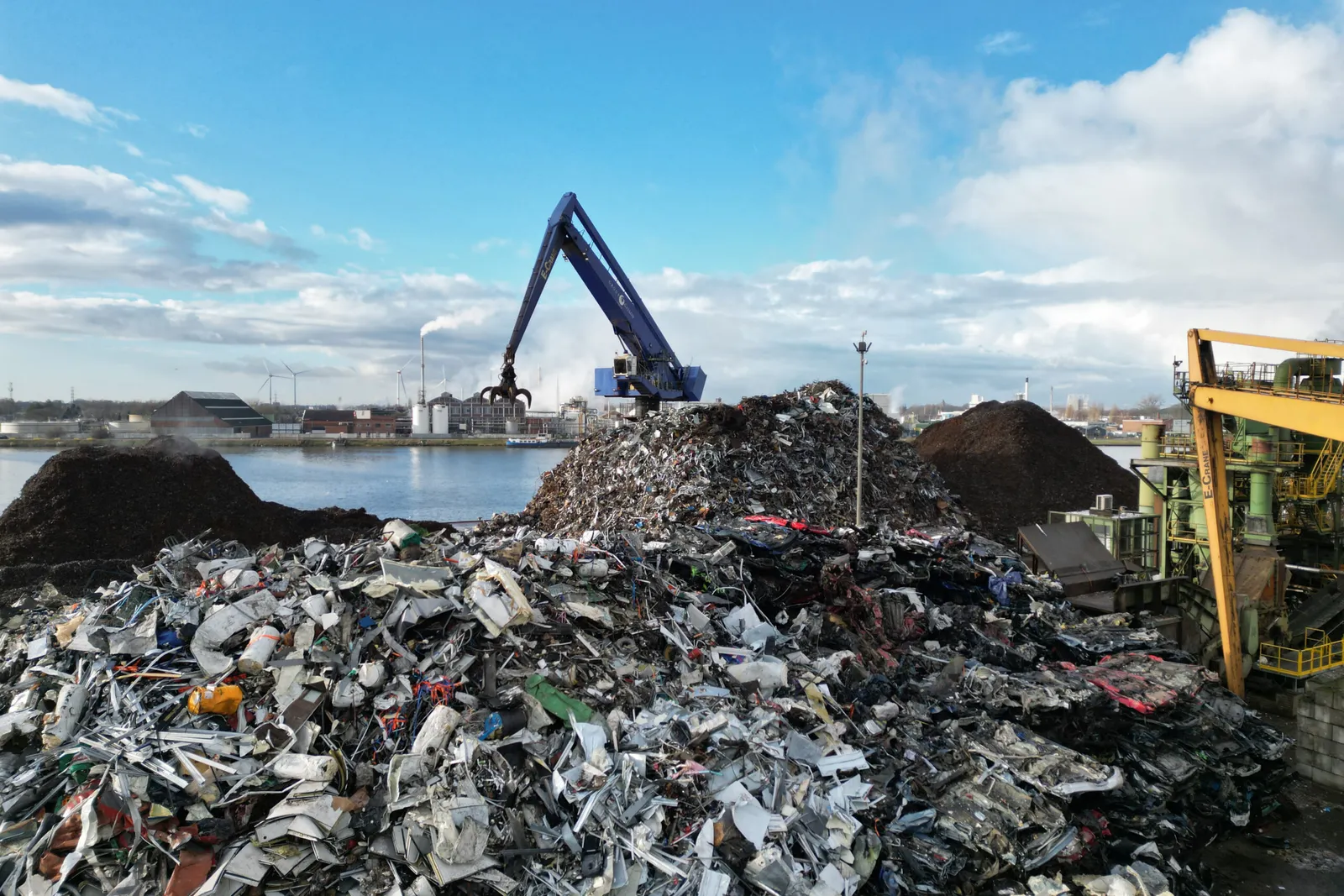
With its strategic plan for Europe’s steel and metals industry, the European Commission aims both to strengthen and to green the sector. Circularity is finally receiving the attention it deserves, but the action plan also raises questions about the effectiveness of some of the proposed measures.
Scrap as a driver
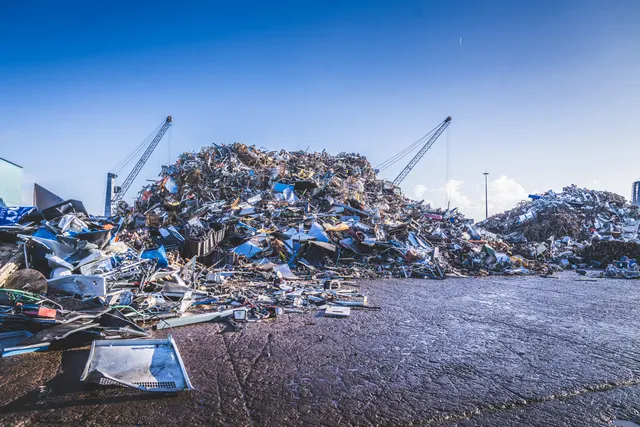
In its plan, the Commission highlights the use of recycled metals as a driver of more sustainable steel production. It is exploring the possibility of setting binding targets for the use of recycled steel and aluminium in vehicles and construction products. Proposals are also on the table to incorporate the use of recycled metals into the Ecodesign for Sustainable Products Regulation (ESPR). The recycling sector is thus recognised as a vital link in a forward-looking steel industry. This is an important step forward.
Critical concerns over export measures
However, the plan also contains some worrying elements. The Commission is considering trade measures or export taxes to ensure the availability of scrap in Europe. According to Denuo and EuRIC, such restrictions would be counterproductive: they would discourage investment in recycling without actually boosting European steel production.
Moreover, exports of recycled metals should be assessed not only in terms of quantity, but also quality. At present, there is no buyer in the European market for every grade of scrap. That is why around 20% of European scrap is exported, mainly to countries such as Turkey and Egypt, where it is processed into useful construction materials.
Risk of market disruption
Export restrictions could also deter recycling companies from recovering more complex fractions. The European Commission assumes that investment in better recycling technologies will improve scrap quality. But without sufficient demand in the domestic market, these investments remain economically uncertain.
The answer, then, is not to close borders, but to develop local markets. With clear ecodesign rules, a level playing field in the international market and support for energy-intensive recycling processes, Europe can make real progress towards a circular metals industry.
Call to policymakers
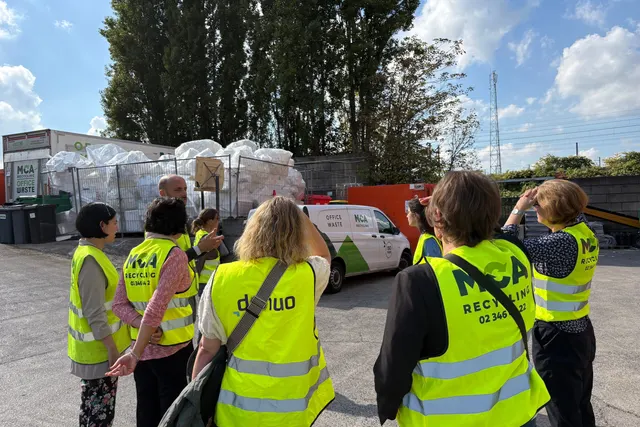
Denuo is calling on Belgian MEPs to take a constructive approach to the legislative process: yes to supporting recycling, but through carefully considered measures that strengthen the market rather than disrupt it.
Question about this story? Ask your question
Keep following this
Get an email when a new story is published. No account needed.
- ThemeRecycling metals and vehicles
- SubjectDenuo