EU ban on plastic waste exports puts Europe’s plastic recycling at risk
The European Parliament has voted on a new draft EU regulation restricting the export of plastic waste.
While the ban has positive implications, it also has negative repercussions that are weighing heavily on Europe’s recycling sector.
Europe has extensive technologies and capacity to recycle and treat plastic waste. In this context, the illegal shipment of plastic waste outside the EU is unacceptable. Stany Vaes, managing director of Denuo, the federation of Belgian waste and recycling companies, agrees: “These illegal shipments cast a shadow over our sector. They undermine all the good work done by companies that comply with the rules and invest in treating plastic waste as effectively as possible.”
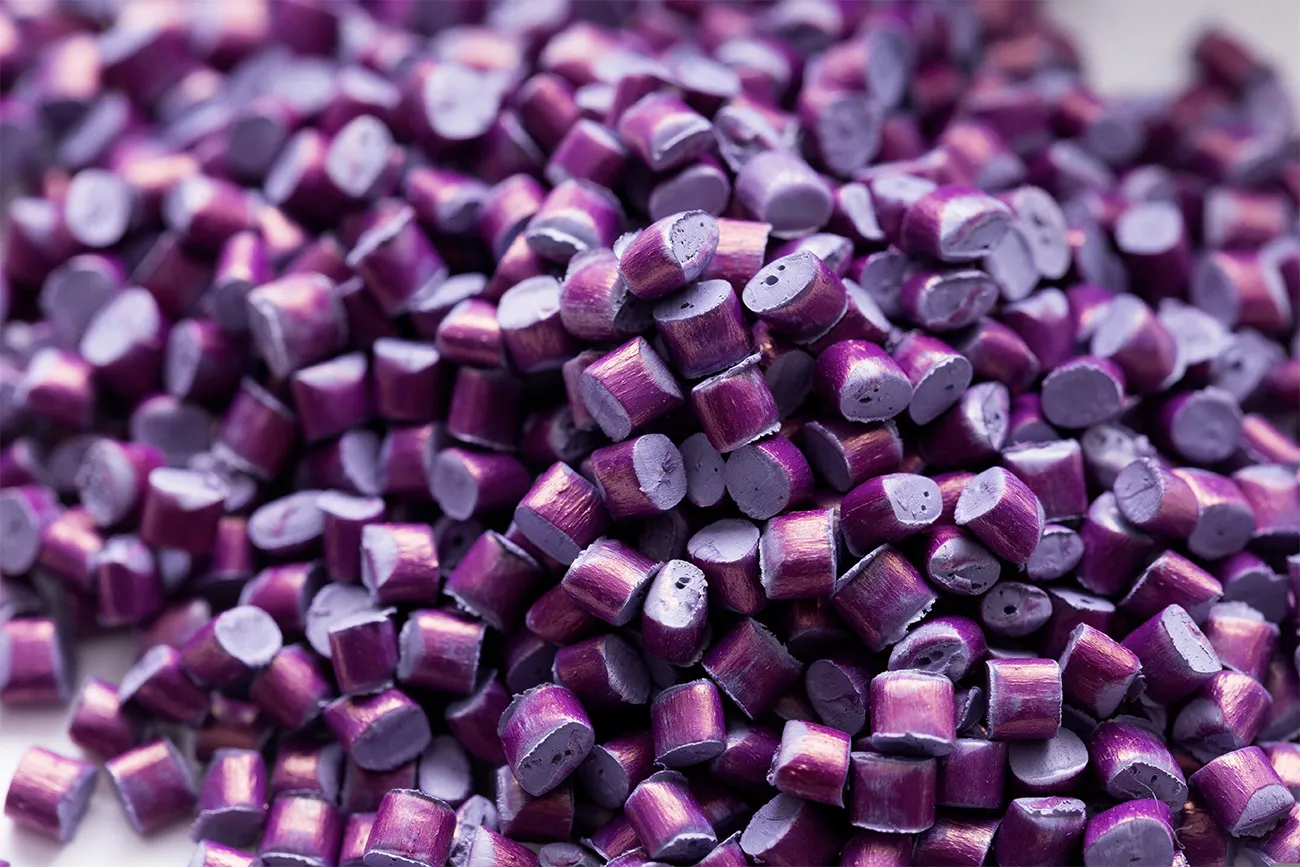
The scale of this shadow was revealed today. The European Parliament approved a draft regulation banning plastic exports outside the EU. According to Mr Vaes, the European Parliament is sounding the alarm: “One unfortunate consequence of this decision is that shredded recycled plastic is also covered by the ban. This recycled plastic, which has been shredded, sorted and decontaminated, is used worldwide as an ingredient to replace primary raw materials in the production of plastic products, saving energy and reducing CO2 emissions. But, in the absence of harmonised EU end-of-waste criteria, this shredded recycled plastic is still classified as waste and can therefore no longer leave the EU. Plastics on the green list are also affected.”
Further measures needed
To prevent this export ban from affecting the free movement of recycled materials, the industry is calling for urgent measures.
“We are calling for harmonised end-of-waste criteria for plastics, so that high-quality recycled plastics are no longer unfairly classified as waste and can also access the international market, allowing them to be exported in accordance with World Trade Organization and OECD rules,” said Mr Vaes. “Finally, we are calling for mandatory recycled plastic use to be open-ended and to go beyond packaging alone. This will enable us to make plastic production more environmentally friendly, using fewer primary raw materials, producing fewer CO2 emissions and consuming less energy.”
Question about this story? Ask your question
Keep following this
Get an email when a new story is published. No account needed.
- ThemeOvercoming the plastics crisis
- SubjectDenuo