Circularity, an asset for the construction sector in Wallonia
Texte & photos DENUO
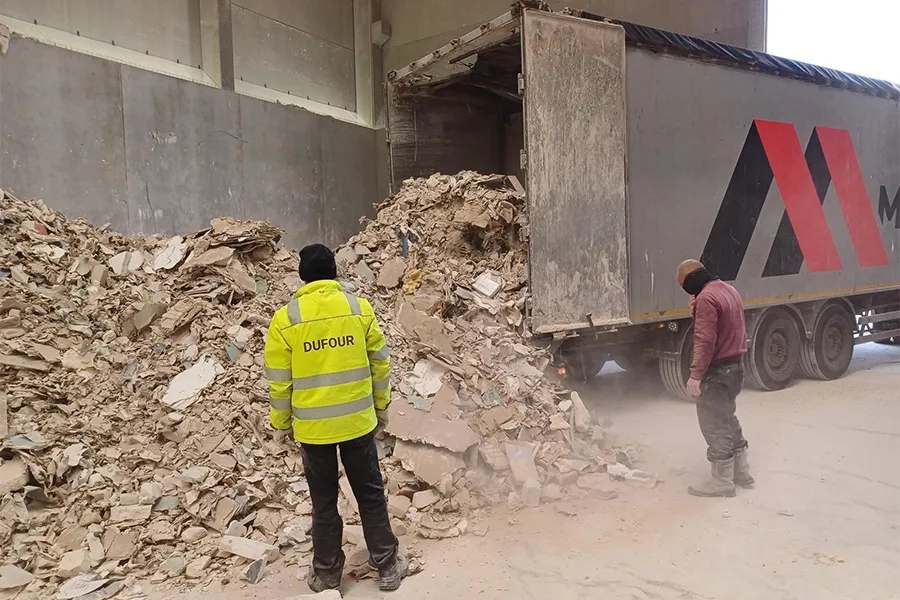
Belgium and its regions are counting on the sector to deliver ambitious climate policies on circular renovation in the years ahead. Thanks to our expertise and technologies, much of today’s construction waste can be reused in new applications and infrastructure projects.
However, we still need to overcome major obstacles to maximise the reuse and recycling of construction materials and prevent the construction sector from relying on primary raw materials.
For example, global extraction of non-metallic minerals, such as sand and gravel, has tripled over the past two decades, with devastating environmental consequences.
It should also be noted that the sector’s output fell by 7% between 2010 and 2020, while its waste generation rose by more than 6% over the same period. As a result, the amount of construction waste per unit of output increased.
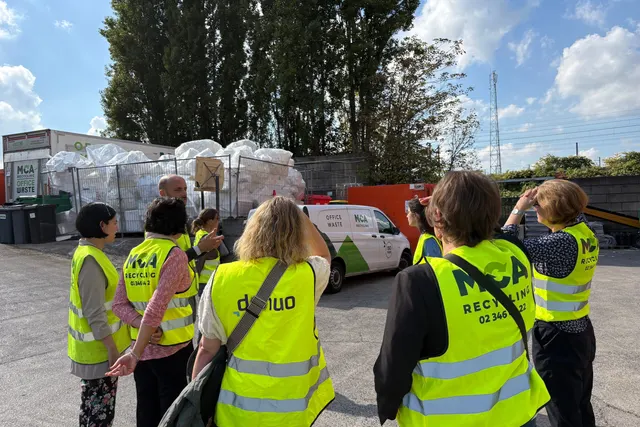
On 3 and 4 October 2023, Wallonia held two study days on the theme of “Zero Waste in Construction”. The event brought together all stakeholders involved in this significant waste stream, which accounts for more than 30% of Belgium’s waste generation.
A new regulatory framework
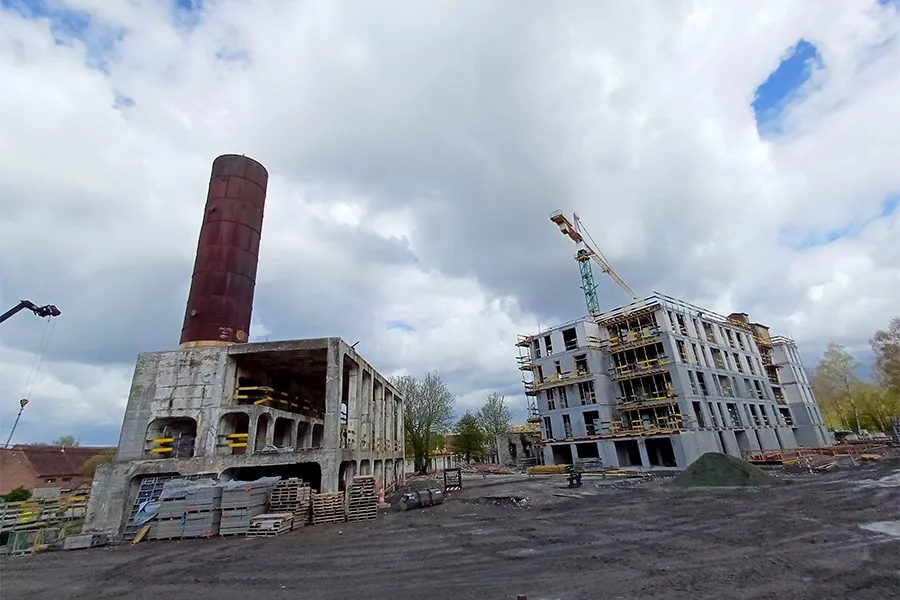
In response to European directives, the Walloon public authorities have transposed the need for more proactive on-site waste management into the draft Walloon Government Order on the waste hierarchy.
Although the draft text is not yet final, it will require every waste producer to ensure that waste is sorted at source, in line with the waste management hierarchy.
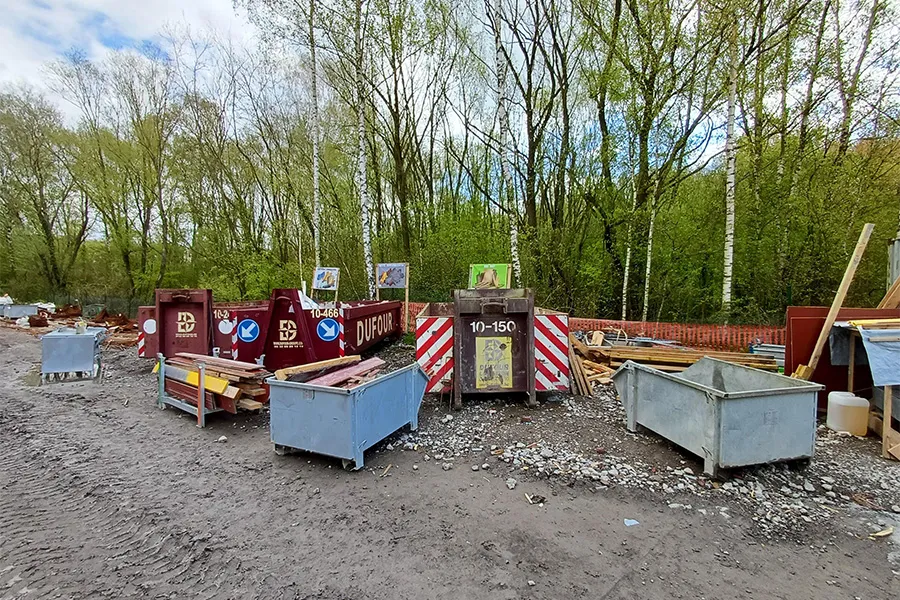
The new streams to be collected separately include expanded polystyrene (EPS), rigid plastic waste, PVC materials, plastic strapping, cellular concrete, plaster waste and mineral wool insulation. Particular attention will also need to be paid to items suitable for reuse.
The draft also provides for a mandatory waste and materials inventory before the demolition or major renovation of a structure. The aim is to consider, as early as possible, the risks present in the existing structure, such as asbestos and hazardous waste, and to identify resources to be retained on site or recovered for the recycling chain.
Developing local recycling streams
This new framework will undoubtedly help improve circularity by reducing demand for natural resources, cutting carbon impacts through the use of recycled materials and improving product availability.
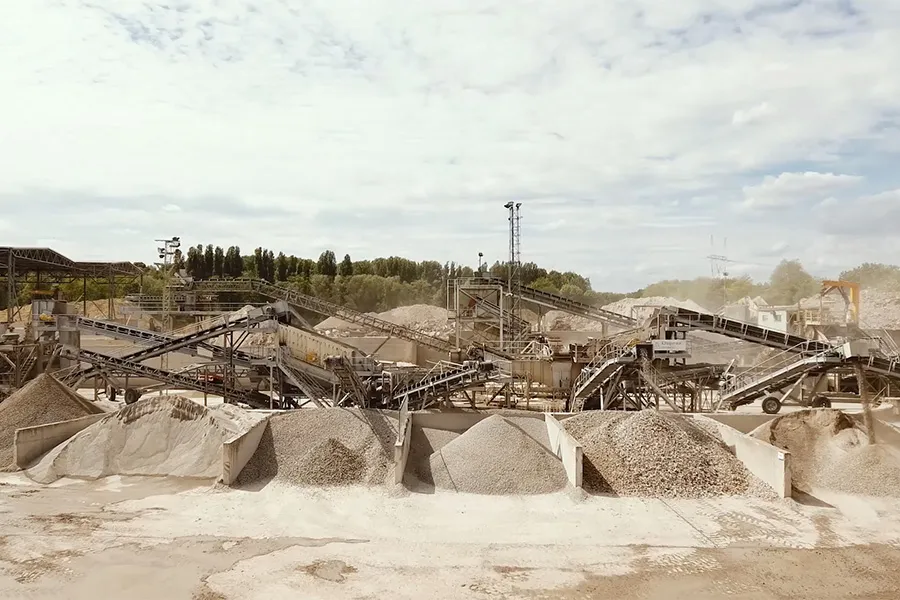
It will help supply materials to recently established recycling streams, including mineral wool recycling by Knauf Insulation, plaster processing by Replic and bitumen recycling by Derbigum, and pave the way for new local investment.
Collaboration between stakeholders is essential
Implementing these measures remains a challenge because of operational constraints on site, the smaller volumes collected and increased logistics flows.
Waste management cannot be effective without close collaboration between the various stakeholders. Collectors and sorting centres, essential links in the value chain, will need to adapt their equipment and make their expertise available to contractors.
Public-private partnerships can be encouraged to optimise the entire logistics chain and develop innovative, sustainable solutions.
Recycling brings a host of environmental, economic and social benefits. It plays an essential role in the transition to more sustainable construction and helps protect the environment in the long term.
Question about this story? Ask your question
Keep following this
Get an email when a new story is published. No account needed.
- SubjectDenuo