Belgian recycling and waste management companies call for flexibility to tackle the energy crisis
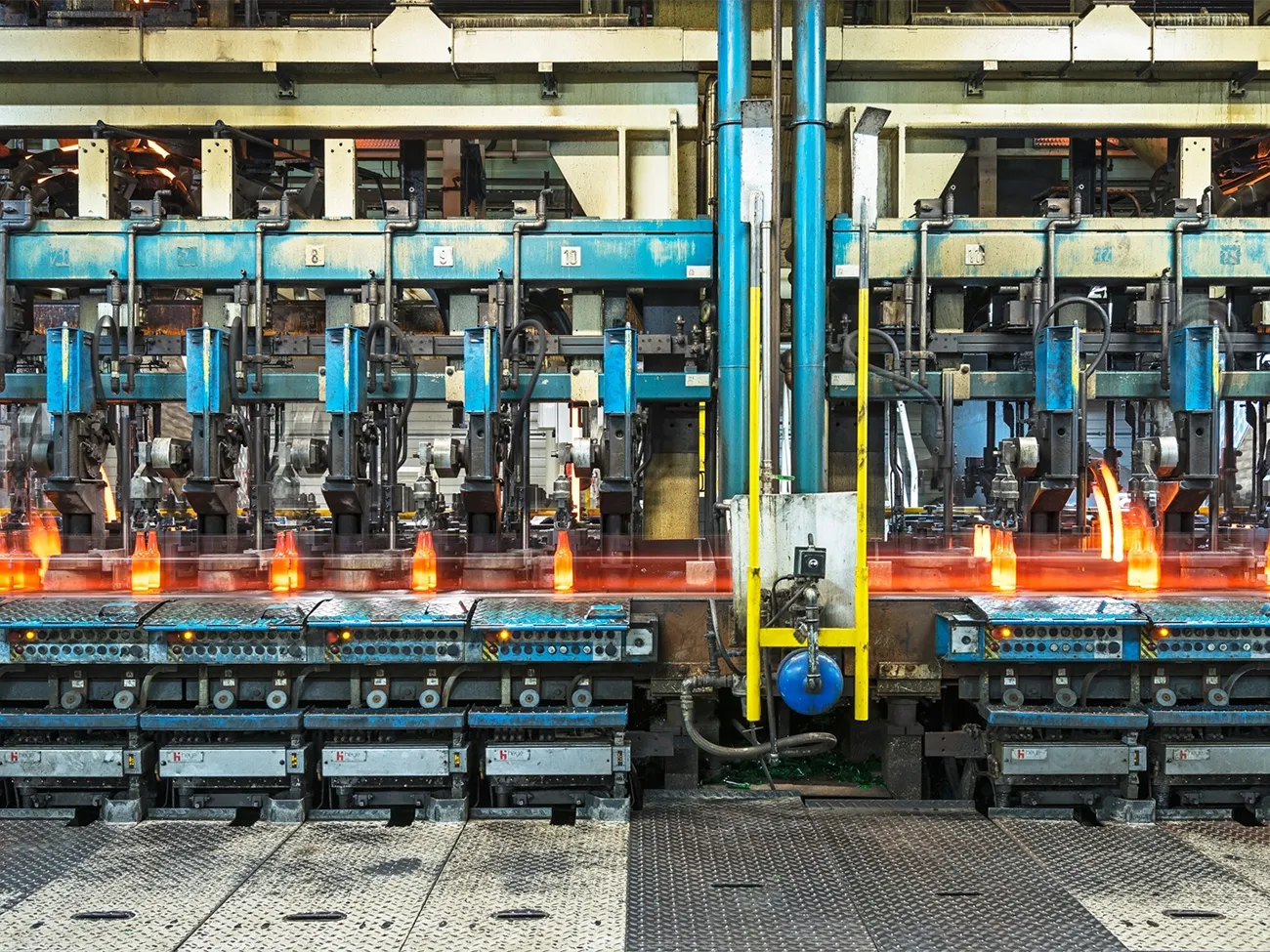
The energy crisis is being felt increasingly acutely. Families are struggling, but so are businesses. Many companies can no longer keep their heads above water because of high energy costs and are therefore deciding to halt production. This is happening across a range of sectors.
Energy costs are also reaching unprecedented levels in Belgium’s waste and recycling sector. Last year, our members saw electricity costs rise by 100 to 200% and fossil fuel costs by 50 to 100%.
Yet our companies are part of the solution. They reuse materials and recover energy from certain recycling residues.
Biogas, biosteam and energy from waste are sustainable, local solutions
Many of our members have the technology, such as biomethanisation plants or landfills with cogeneration, and the capacity to produce biogas, biosteam and electricity from waste. This is a sustainable local alternative that reduces the need to import expensive fossil gas.
Production from recycled materials is more energy-efficient
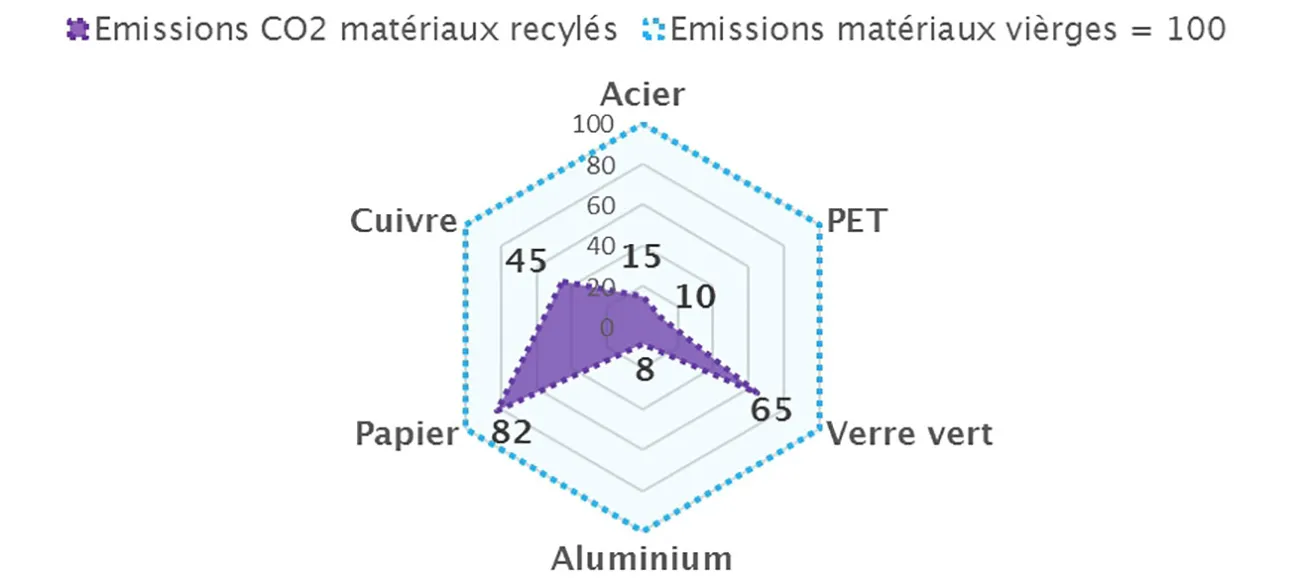
What is more, recycled materials require far less energy than virgin raw materials. For example, recycling PET uses 83% less energy than producing it from virgin raw materials. Recycling aluminium saves 95% of the energy needed for primary production. Paper recycling, meanwhile, saves 40% of energy. And so on.
These energy savings translate into lower costs, as well as reduced CO2 emissions.
No funding, but flexibility
That is why we are calling on governments to allow companies active in waste management and recycling to play their full part. We are not asking for additional funding, but for flexibility:
- Ensure that the European Waste Shipment Regulation (WSR) allows recycled materials to move freely, giving them every market opportunity and enabling them to compete fairly with virgin raw materials. See our position paper on waste shipments.
- Maximise the use of recycled materials in new products (recycled content), so that companies can reduce the energy needed to run their production processes.
- Environmental taxes should be used to support the transition to a low-carbon circular economy, not to shore up budgets. Reducing levies on PST residues is a good example. Negative values can be offset by removing the zero rate on imported hazardous waste. Major changes should be phased in so that not only our sector but also industry and society as a whole can adapt (leave no one behind).
- Simplify permit procedures so that we can install more capacity to recycle even more materials and thereby produce more biogas and biosteam.
We also fully support calls for cross-sector initiatives, such as easing access to temporary unemployment and controlling wage costs, to address the energy crisis.
This energy crisis must not make us forget that achieving a circular economy also means applying the Lansink’s Ladder now. In practice, this means using materials for recycling first, and only recovering energy from them when recycling is not, or is no longer, possible.
Further information
Would you like to know more about our position on specific issues, such as recycled content, the EVOA and tax policy? You can find our position papers at denuo.be/fr/positions.
Question about this story? Ask your question
Keep following this
Get an email when a new story is published. No account needed.
- ThemeStrengthening recycling competitiveness
- SubjectDenuo